Với hơn 10 năm kinh nghiệm về vận chuyển khí nén, Headpowder Sơn Đông cung cấp hệ thống, thiết bị và quạt gió toàn chuỗi, đảm nhận các dự án kỹ thuật bột trọn gói trên toàn quốc.
When it comes to handling polyester fibers in industrial settings, selecting the right conveying method is crucial for efficiency, cost-effectiveness, and product integrity. Polyester fibers are widely used in textiles, composites, and other applications, and their proper transportation from one point to another requires specialized equipment and techniques. This article explores the common methods used for polyester fiber conveying, highlighting the key factors that influence the choice of system for different industrial needs.
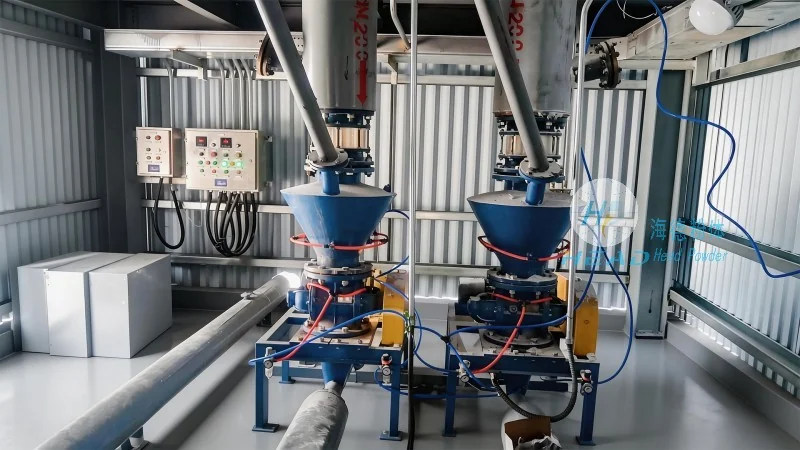
1. Belt Conveying Systems
Belt conveying is one of the most widely used methods for polyester fiber transportation. This system utilizes a continuous belt, typically made of durable materials like rubber or PVC, to move fibers from a loading point to a discharge point. The belt is supported by rollers and driven by a motor, allowing for smooth and consistent movement of the fibers. Belt conveyors are particularly effective for handling large volumes of polyester fibers and can be customized with features such as inclines or declines to suit different operational requirements. They are commonly used in textile mills, fiber processing plants, and composite manufacturing facilities where bulk material handling is required.
2. Screw Conveyors (Auger Conveyors)
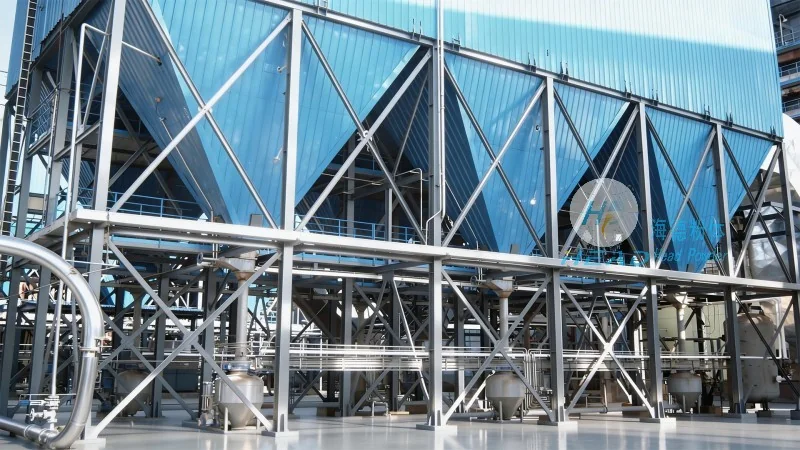
Screw conveyors, also known as auger conveyors, are another common method for polyester fiber conveying. These systems consist of a rotating screw (auger) enclosed in a cylindrical housing. As the screw rotates, it pushes the polyester fibers forward through the housing. Screw conveyors are ideal for vertical or inclined transport and can handle a variety of fiber types, including short and long fibers. They are often used in applications where space is limited or where the fibers need to be elevated to a higher level. The design of screw conveyors allows for gentle handling of the fibers, minimizing breakage and maintaining fiber quality. This makes them suitable for processes where fiber integrity is critical, such as in the production of polyester yarns and nonwoven fabrics.
3. Pneumatic Conveying Systems
Pneumatic conveying, or air-based conveying, is a method that uses air pressure or vacuum to transport polyester fibers through a pipeline. This system is particularly effective for handling fine or dusty fibers and can be used for both short and long fiber types. There are two main types of pneumatic conveying: pressure and vacuum. Pressure systems use compressed air to push the fibers through the pipeline, while vacuum systems use a vacuum to draw the fibers into the system. Pneumatic conveyors are often used in applications where dust control is essential, such as in textile processing plants where fiber dust can be a health hazard. They are also suitable for transporting fibers over long distances or through complex layouts, as the pipeline can be easily routed around obstacles.
4. Bucket Elevators
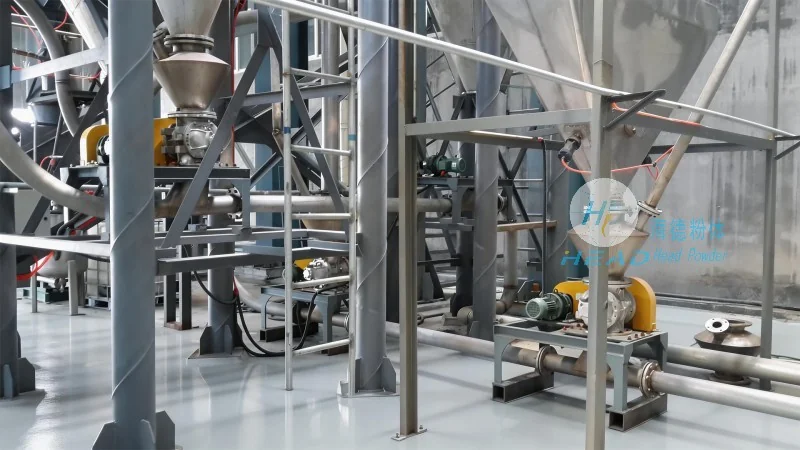
Bucket elevators are a specialized form of conveyor system used for vertical transport of polyester fibers. These systems consist of a continuous chain with attached buckets that move along a vertical or inclined track. As the buckets ascend, they pick up polyester fibers from a hopper and discharge them at the top of the elevator. Bucket elevators are highly efficient for vertical lifting and can handle large volumes of fibers with minimal space requirements. They are commonly used in applications where vertical transport is necessary, such as in the storage and handling of polyester fibers in warehouses or processing plants. The design of bucket elevators ensures that the fibers are conveyed gently, reducing the risk of damage or breakage during transport.
5. Vibrating Conveyors
Vibrating conveyors use vibration to move polyester fibers along a trough. The conveyor consists of a trough that is mounted on a vibrating mechanism, which causes the fibers to move forward due to the vibration. This method is particularly effective for handling sticky or cohesive fibers, as the vibration helps to break up clumps and ensure smooth movement. Vibrating conveyors are often used in applications where the fibers need to be transported over a long distance or through a series of bends. They are also suitable for handling fibers that are difficult to convey with other methods, such as those with high moisture content or those that tend to mat together. The gentle vibration of the system minimizes fiber damage and maintains product quality, making it a popular choice in the polyester fiber industry.
6. Combination Systems
In many industrial settings, a single conveying method may not be sufficient to meet all the requirements of polyester fiber handling. As a result, combination systems are often used, which integrate multiple conveying methods to achieve optimal performance. For example, a system might combine a belt conveyor for horizontal transport with a screw conveyor for vertical lifting, or a pneumatic conveyor for long-distance transport with a vibrating conveyor for final positioning. These combination systems allow for greater flexibility and efficiency in handling polyester fibers, as they can be tailored to the specific needs of the application. The use of combination systems is particularly common in large-scale processing plants where multiple operations are involved, such as in the production of polyester textiles or composites.
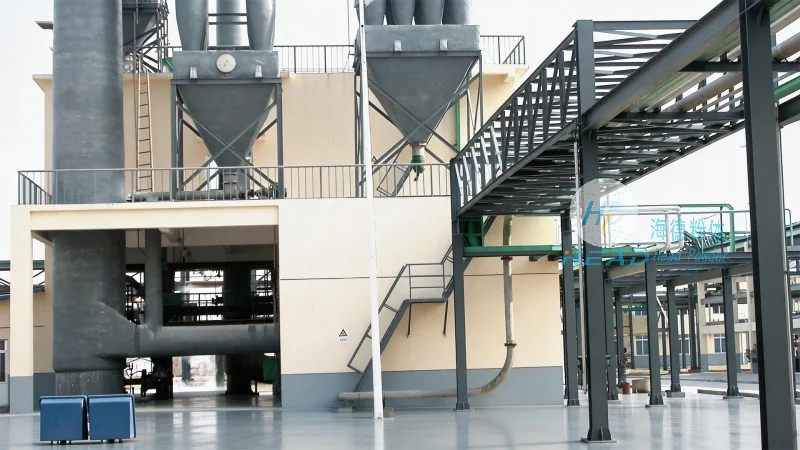
Conclusion and Company Information
Choosing the right polyester fiber conveying method is essential for ensuring efficient and cost-effective operations in industrial settings. The methods discussed above—belt conveying, screw conveyors, pneumatic systems, bucket elevators, vibrating conveyors, and combination systems—each offer unique advantages and are suitable for different applications. The key to selecting the best method is to consider factors such as fiber type, volume, distance, and the specific requirements of the process. By understanding these factors and working with experienced suppliers, industrial facilities can optimize their polyester fiber conveying systems to achieve maximum productivity and product quality.
Shandong HeadPowder Engineering Co., Ltd., a leading provider of conveying solutions, specializes in designing and manufacturing customized polyester fiber conveying systems. With years of experience in the industry, HeadPowder offers a wide range of equipment tailored to the unique needs of its clients. The company’s headquarters is located in Shandong, China, and it serves customers worldwide with high-quality, reliable conveying solutions. Whether you need a simple belt conveyor or a complex combination system, HeadPowder can provide the expertise and equipment to meet your polyester fiber conveying needs.

 Shandong Headpowder Engineering Co., Ltd.
 156-6277-7102(Quản lý Trương)
  0531-83386006
  Thành phố Tế Nam, Tỉnh Sơn Đông, Trung Quốc
Điện thoại
WeChatTư vấn
Lên đầu