Với hơn 10 năm kinh nghiệm về vận chuyển khí nén, Headpowder Sơn Đông cung cấp hệ thống, thiết bị và quạt gió toàn chuỗi, đảm nhận các dự án kỹ thuật bột trọn gói trên toàn quốc.
PP (Polypropylene) pellets are widely used in various industrial applications, and efficient conveying of these plastic pellets is crucial for smooth production processes. As a leading manufacturer in the field, Shandong HeadPowder Engineering Co., Ltd. specializes in providing reliable conveying solutions tailored to the unique needs of different industries. This article explores the common methods for PP pellet conveying, highlighting the key features and applications of each approach.
Understanding PP Pellets and Conveying Challenges
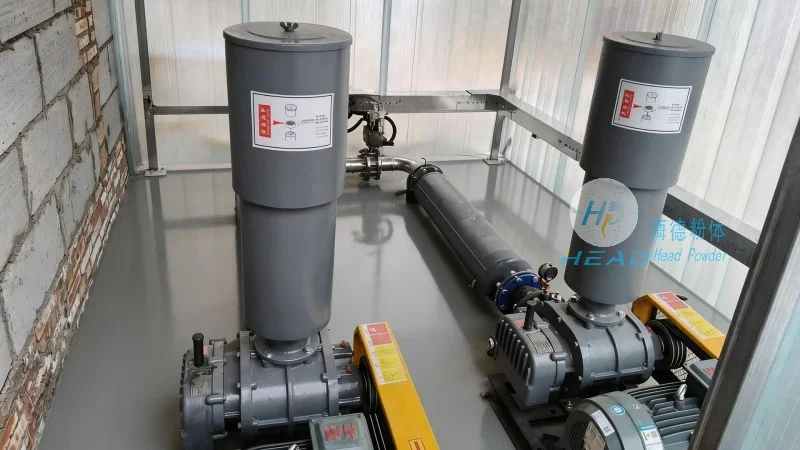
Before delving into the specific conveying methods, it's essential to understand the characteristics of PP pellets. These small, cylindrical plastic particles are lightweight, hygroscopic (prone to moisture absorption), and can be abrasive when handled in large quantities. Conveying PP pellets requires equipment that can handle these properties without causing degradation, contamination, or material loss. Shandong HeadPowder Engineering Co., Ltd. addresses these challenges by designing systems that maintain the integrity of the pellets while ensuring efficient transport.
1. Screw Conveyors for PP Pellet Transport
Screw conveyors, also known as auger conveyors, are one of the most common and versatile methods for conveying PP pellets. This equipment consists of a rotating screw (auger) inside a cylindrical housing, which moves the pellets along the length of the conveyor. The design allows for both horizontal and inclined transport, making it suitable for various production line configurations. Shandong HeadPowder Engineering Co., Ltd. offers screw conveyors with adjustable speed controls and material contact surfaces made from corrosion-resistant materials, such as stainless steel or food-grade plastics, to prevent pellet contamination. The smooth operation of screw conveyors ensures minimal product degradation, which is critical for maintaining the quality of PP pellets used in manufacturing.
2. Pneumatic Conveying Systems for PP Pellets
Pneumatic conveying systems use air or other gases to transport PP pellets through a network of pipes. This method is ideal for applications requiring long-distance or vertical transport, as it can move pellets over significant heights and distances without the need for multiple transfer points. Shandong HeadPowder Engineering Co., Ltd. provides both positive and negative pressure pneumatic systems. Positive pressure systems blow air into the pipe, pushing the pellets forward, while negative pressure systems create a vacuum to draw the pellets into the system. The choice between these systems depends on factors like the distance to be covered and the volume of pellets being conveyed. Pneumatic conveying is particularly effective for handling fine or dusty PP pellets, as it can prevent dust accumulation and maintain a clean environment in the production facility.
3. Vibrating Conveyors for Efficient PP Pellet Handling
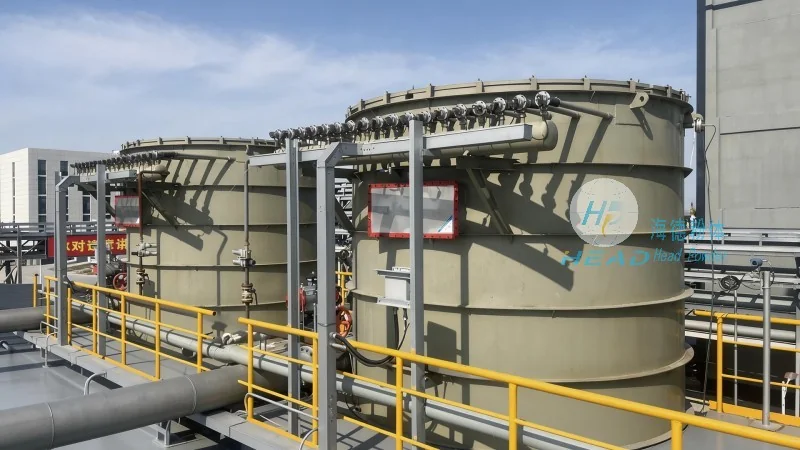
Vibrating conveyors utilize vibration to move PP pellets along a trough. The vibration causes the pellets to move in a controlled manner, allowing for gentle handling that minimizes product breakage. This method is especially suitable for conveying abrasive or fragile PP pellets, as the impact between particles is reduced. Shandong HeadPowder Engineering Co., Ltd. designs vibrating conveyors with adjustable vibration frequencies and amplitudes, enabling customization for different pellet sizes and material properties. The troughs are often lined with wear-resistant materials, such as rubber or polyurethane, to extend the equipment's lifespan and prevent pellet wear. Vibrating conveyors are commonly used in applications where gentle handling is required, such as in food processing or pharmaceutical industries where contamination control is paramount.
4. Belt Conveyors for Bulk PP Pellet Transport
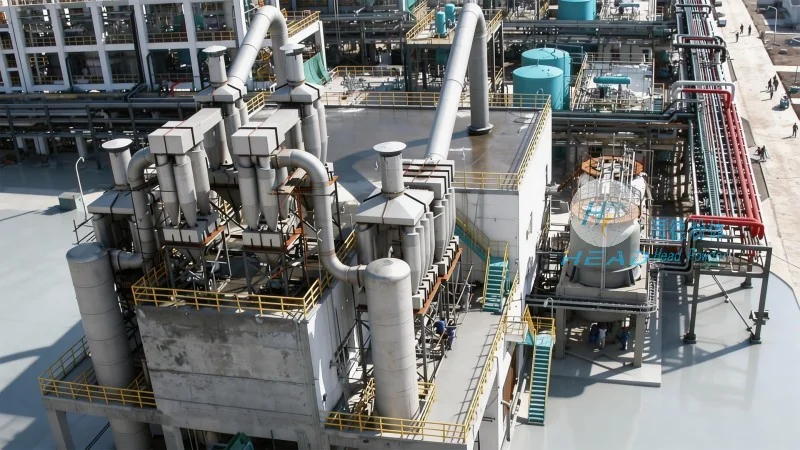
Belt conveyors are another popular method for transporting large volumes of PP pellets. These systems consist of a continuous belt that moves over rollers or pulleys, carrying the pellets from one point to another. Belt conveyors are highly efficient for horizontal transport and can handle high throughput rates, making them ideal for large-scale production facilities. Shandong HeadPowder Engineering Co., Ltd. manufactures belt conveyors with wide, reinforced belts to support heavy loads of PP pellets. The belts are often made from durable materials like rubber or polyurethane, which resist wear and tear from the abrasive nature of the pellets. Additionally, the conveyors can be equipped with side guards and safety features to prevent accidental release of pellets and ensure workplace safety. Belt conveyors are commonly used in bulk handling operations, such as in storage and packaging areas where large quantities of PP pellets need to be moved efficiently.
5. Hydraulic Conveying Systems for Specialized PP Pellet Applications
For specialized applications, hydraulic conveying systems may be employed to transport PP pellets. These systems use hydraulic pressure to move the pellets through a closed loop system, which is particularly useful for conveying pellets in hazardous environments or where contamination must be strictly controlled. Shandong HeadPowder Engineering Co., Ltd. offers hydraulic conveying solutions that are sealed and leak-proof, ensuring that the PP pellets remain uncontaminated during transport. The hydraulic system can be integrated with other equipment, such as mixers or extruders, to create a seamless production line. While less common than other methods, hydraulic conveying is effective for handling sensitive or high-value PP pellets where traditional methods may not be suitable.
Choosing the Right PP Pellet Conveying Method
Selecting the appropriate conveying method for PP pellets depends on several factors, including the production volume, distance to be covered, pellet characteristics, and budget constraints. Shandong HeadPowder Engineering Co., Ltd. provides comprehensive consultation services to help clients evaluate their specific needs and recommend the most suitable conveying solution. The company's engineers consider factors like the type of PP pellets (e.g., standard or recycled), the required throughput rate, and the available space in the production facility when designing a conveying system. By working closely with clients, Shandong HeadPowder Engineering Co., Ltd. ensures that the chosen method not only meets the operational requirements but also adheres to industry standards for safety and efficiency.

 Shandong Headpowder Engineering Co., Ltd.
 156-6277-7102(Quản lý Trương)
  0531-83386006
  Thành phố Tế Nam, Tỉnh Sơn Đông, Trung Quốc
Điện thoại
WeChatTư vấn
Lên đầu