Với hơn 10 năm kinh nghiệm về vận chuyển khí nén, Headpowder Sơn Đông cung cấp hệ thống, thiết bị và quạt gió toàn chuỗi, đảm nhận các dự án kỹ thuật bột trọn gói trên toàn quốc.
Yeast is a vital ingredient in industries such as brewing, baking, and biotechnology. Efficient and reliable conveyance of yeast is essential for maintaining product quality and operational consistency. This article explores the common methods used for yeast conveyance, highlighting key considerations and technologies employed by industry professionals.
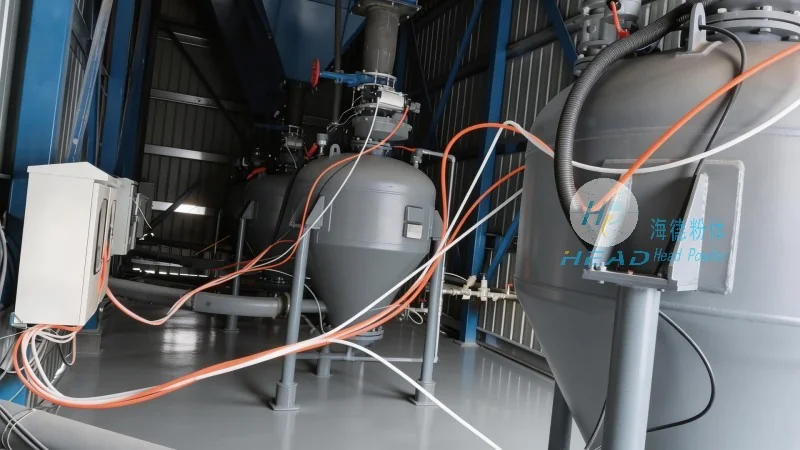
Understanding the Importance of Proper Yeast Conveyance
Before discussing specific methods, it's crucial to grasp why proper yeast conveyance matters. Yeast cells are delicate and sensitive to environmental factors like temperature, moisture, and mechanical stress. Inadequate handling can lead to cell damage, reduced viability, and compromised fermentation or baking outcomes. Therefore, selecting the right conveyance method is critical to preserving yeast quality and ensuring optimal performance in downstream processes.
Common Methods for Yeast Conveyance
Several methods are commonly used for transporting yeast, each with its own advantages and applications. The choice depends on factors like yeast type, production scale, and end-use requirements. Below are some prevalent approaches used by manufacturers and processors.
1. Gravity Conveyance Systems
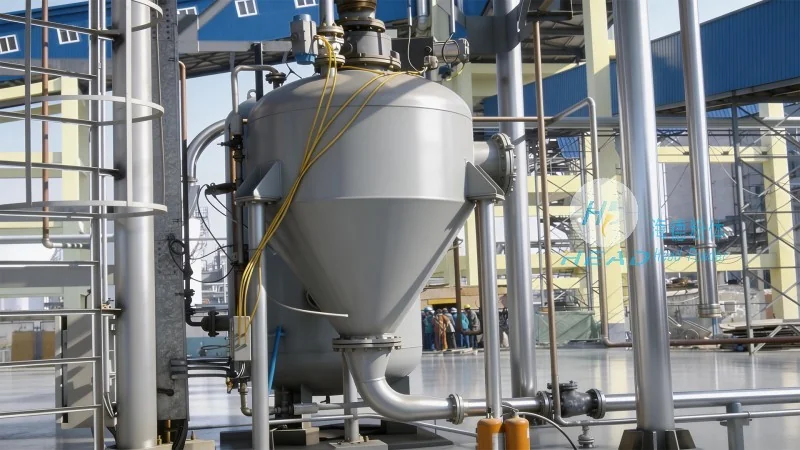
Gravity conveyance systems use the force of gravity to move yeast. These typically consist of inclined chutes or troughs that allow yeast to flow downward. This method is ideal for short-distance transfers and bulk handling in large-scale facilities. The design is simple with minimal moving parts, reducing maintenance and costs. However, it requires a sufficient vertical drop and considers yeast properties like density and moisture. For instance, headpowder, a leading manufacturer of industrial processing equipment, offers gravity-based yeast conveyance solutions tailored to breweries and food processing plants.
2. Mechanical Conveyance Equipment
Mechanical conveyance relies on devices like screw conveyors (augers) and belt conveyors. Screw conveyors use a rotating helical screw to move dry or semi-dry yeast through a tube, suitable for horizontal and inclined paths. Belt conveyors use a continuous belt for longer horizontal distances, common in bakeries and breweries. These systems provide consistent, controlled movement, minimizing cell damage. Shandong HeadPowder Engineering Co., Ltd., based in Shandong, China, specializes in high-quality mechanical yeast conveyance equipment, including screw and belt conveyors that meet hygiene and efficiency standards.
3. Pneumatic Conveyance Systems
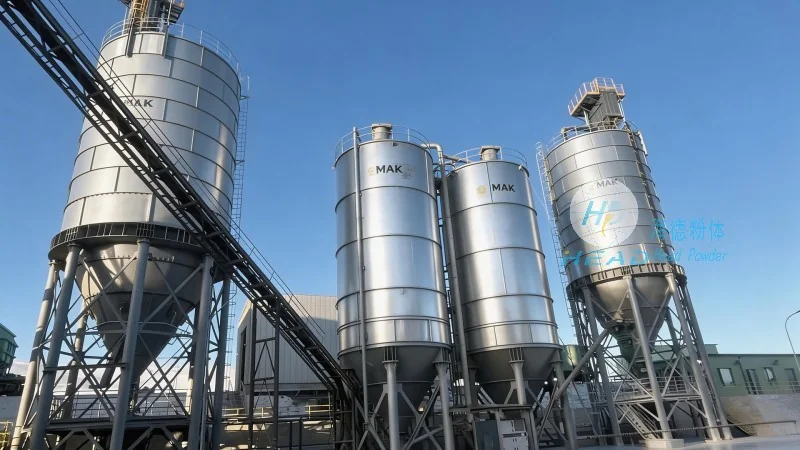
Pneumatic conveyance uses compressed air or gases to transport yeast in closed pipelines. This is effective for fine or powdery yeast and covers longer distances with low energy use. Two types exist: dilute-phase (low air velocity, suspended particles) and dense-phase (higher air velocity, slurry-like state). Pneumatic systems offer layout flexibility but require careful air pressure control to prevent cell damage. Headpowder provides customized pneumatic yeast conveyance solutions, ensuring optimal performance and minimal product degradation.
4. Hydraulic Conveyance Methods
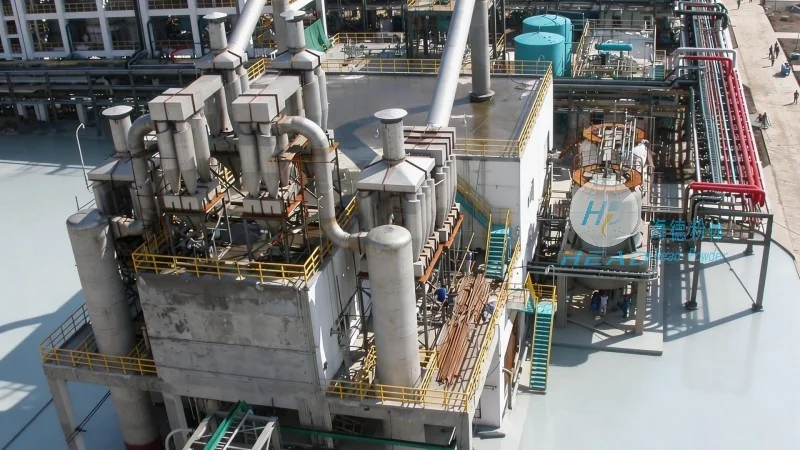
Hydraulic conveyance uses water or liquids to transport yeast, often for mixing with other ingredients. Yeast is suspended in the liquid and moved through pipes or hoses. This method offers gentle handling but requires additional liquid management equipment and higher maintenance costs. Shandong HeadPowder Engineering Co., Ltd. offers hydraulic conveyance solutions for specialized applications, such as yeast blending in biotechnological processes.
Key Considerations for Choosing a Yeast Conveyance Method
When selecting a method, factors like yeast physical properties (moisture, particle size, density), production scale, and distance must be considered. Large-scale operations may benefit from mechanical or pneumatic systems, while smaller-scale applications might use gravity or simple mechanical conveyors. Hygiene and sanitation are critical, especially in food and beverage industries. Headpowder manufactures conveyance systems that meet stringent industry standards, ensuring yeast remains uncontaminated and high-quality.
Conclusion
In summary, the choice of yeast conveyance method is vital for efficient operations and product quality. Gravity, mechanical, pneumatic, and hydraulic systems each offer unique benefits and are suitable for different applications. By understanding yeast and process requirements, manufacturers can select the most appropriate method. Shandong HeadPowder Engineering Co., Ltd., a reputable company based in Shandong, China, provides a range of yeast conveyance solutions that cater to diverse industrial needs, helping businesses maintain high standards of product quality and operational efficiency.

 Shandong Headpowder Engineering Co., Ltd.
 156-6277-7102(Quản lý Trương)
  0531-83386006
  Thành phố Tế Nam, Tỉnh Sơn Đông, Trung Quốc
Điện thoại
WeChatTư vấn
Lên đầu