Với hơn 10 năm kinh nghiệm về vận chuyển khí nén, Headpowder Sơn Đông cung cấp hệ thống, thiết bị và quạt gió toàn chuỗi, đảm nhận các dự án kỹ thuật bột trọn gói trên toàn quốc.
When it comes to construction projects involving plaster applications, the efficient delivery of plaster mortar is crucial for ensuring quality and productivity. Plaster mortar, a mixture of gypsum, sand, and water, is essential for creating smooth and durable surfaces in various building applications. The method of transporting this material from the mixing point to the work site can significantly impact the overall performance and cost-effectiveness of the project. In this article, we will explore the different ways to transport plaster mortar, highlighting the key considerations and advantages of each approach.
Understanding Plaster Mortar and Its Transport Requirements
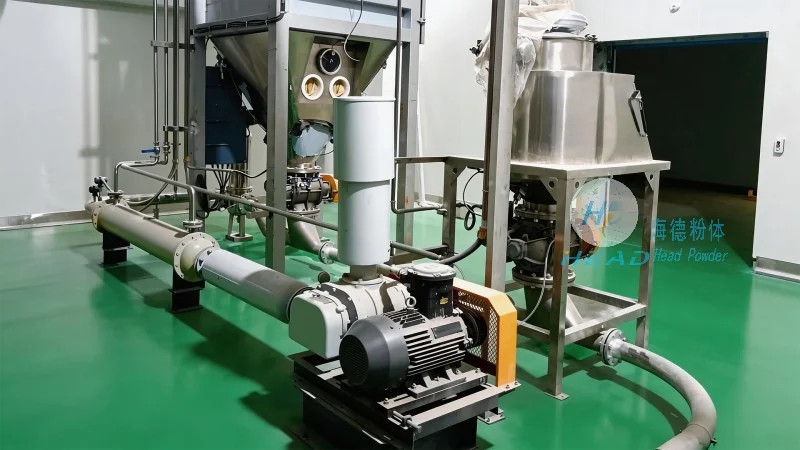
Before delving into the specific delivery methods, it's important to understand the nature of plaster mortar. This material is typically a dry mix that requires water to be added at the point of use, or it can be pre-mixed in a controlled environment and then transported. The consistency of plaster mortar is critical, as it needs to be transported without segregation or excessive water loss. The choice of transport method depends on factors such as the volume of mortar required, the distance between the mixing site and the work area, and the specific application requirements.
Common Plaster Mortar Delivery Methods
There are several common methods used to transport plaster mortar, each with its own set of advantages and limitations. The most widely used methods include manual transport, mechanical pumping, and pneumatic conveying. Each method is suitable for different scenarios, and the selection depends on the project scale and operational needs.
Manual Transport of Plaster Mortar
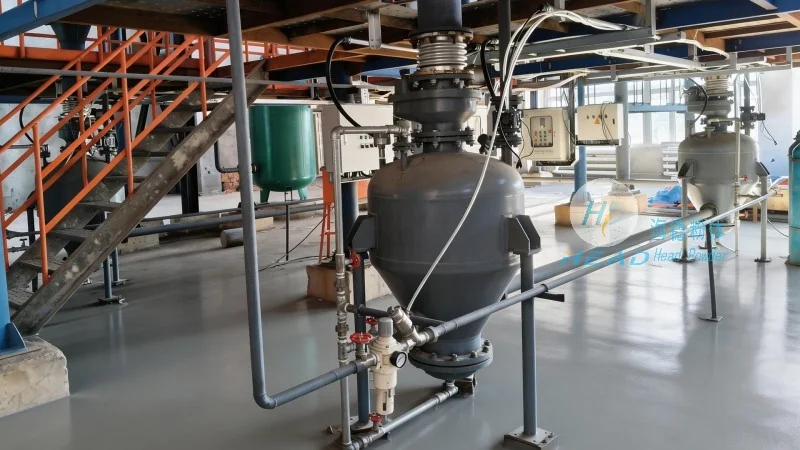
For small-scale or localized plastering tasks, manual transport remains a viable option. This method involves using containers such as buckets, wheelbarrows, or mortar boxes to move the mortar from the mixing area to the work site. Manual transport is often used in residential or small commercial projects where the volume of mortar required is relatively low. However, it is labor-intensive and can be inefficient for larger projects, as it requires significant human effort and may lead to uneven distribution of the material. The use of manual transport is also limited by the physical capabilities of the workers and the distance over which the mortar needs to be moved.
Mechanical Pumping for Plaster Mortar Delivery
For larger construction projects, mechanical pumping is a more efficient and reliable method of transporting plaster mortar. This approach involves using specialized pumps, such as mortar pumps or concrete pumps, to move the mortar through pipes to the work area. The mechanical pumping method allows for the continuous and consistent delivery of mortar, reducing the need for frequent manual refills. It is particularly useful in high-rise buildings or projects with long distances between the mixing site and the work area. The use of mechanical pumps also helps maintain the consistency of the mortar, preventing segregation and ensuring a uniform application. For projects requiring advanced mechanical pumping solutions, companies like Shandong HeadPowder Engineering Co., Ltd. offer specialized equipment tailored to the specific needs of plaster mortar delivery, ensuring optimal performance and efficiency.
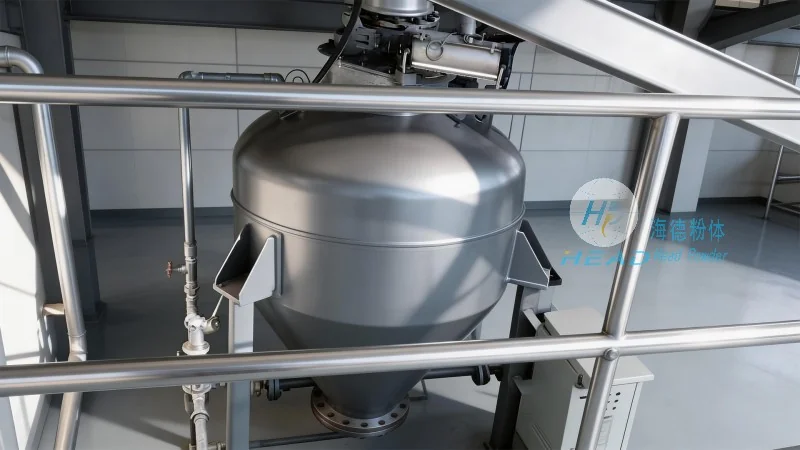
Pneumatic Conveying Systems for Plaster Mortar
Pneumatic conveying is another advanced method used for the transport of plaster mortar. This technique involves using air pressure to move the dry or semi-dry mortar through a network of pipes. The pneumatic system can transport the material over longer distances with minimal loss of moisture and consistency. It is particularly suitable for projects that require the delivery of large volumes of mortar to multiple work sites simultaneously. The use of pneumatic conveying systems offers advantages such as reduced labor costs, improved safety (as there is no direct handling of wet mortar), and the ability to transport the material in a controlled manner. However, the initial investment for pneumatic conveying systems can be higher compared to other methods, and the system requires regular maintenance to ensure efficient operation.
Choosing the Right Plaster Mortar Delivery Method
The selection of the appropriate plaster mortar delivery method is a critical decision that impacts the success of a construction project. Factors such as project scale, distance, labor availability, and budget should be considered when choosing between manual transport, mechanical pumping, or pneumatic conveying. For small projects with limited mortar requirements, manual transport may be sufficient. However, for larger projects or those involving high-rise structures, mechanical pumping or pneumatic conveying is often more efficient and cost-effective. It is also important to consider the specific characteristics of the plaster mortar, such as its viscosity and moisture content, as these can affect the choice of transport method.
Conclusion
In conclusion, the efficient delivery of plaster mortar is essential for ensuring the quality and productivity of construction projects. The choice of transport method depends on various factors, including project scale, distance, and operational needs. Manual transport is suitable for small-scale tasks, while mechanical pumping and pneumatic conveying are more appropriate for larger projects. By understanding the advantages and limitations of each method, construction professionals can select the most suitable approach to transport plaster mortar, thereby optimizing project outcomes. Whether you are working on a residential renovation or a large commercial construction, the right delivery method can make a significant difference in the overall success of the project. Shandong HeadPowder Engineering Co., Ltd., based in Shandong, China, specializes in providing comprehensive solutions for plaster mortar delivery, including advanced pumping and conveying systems tailored to meet the diverse needs of modern construction projects.

 Shandong Headpowder Engineering Co., Ltd.
 156-6277-7102(Quản lý Trương)
  0531-83386006
  Thành phố Tế Nam, Tỉnh Sơn Đông, Trung Quốc
Điện thoại
WeChatTư vấn
Lên đầu