Với hơn 10 năm kinh nghiệm về vận chuyển khí nén, Headpowder Sơn Đông cung cấp hệ thống, thiết bị và quạt gió toàn chuỗi, đảm nhận các dự án kỹ thuật bột trọn gói trên toàn quốc.
When it comes to handling and transporting PVC powder efficiently, selecting the right conveying method is crucial for maintaining product quality, minimizing downtime, and optimizing operational costs. As a leading provider in the industry, Shandong HeadPowder Engineering Co., Ltd. specializes in delivering tailored solutions for PVC powder conveying, ensuring that each step of the process meets the highest standards of performance and reliability.
Understanding the Core Challenges in PVC Powder Conveying
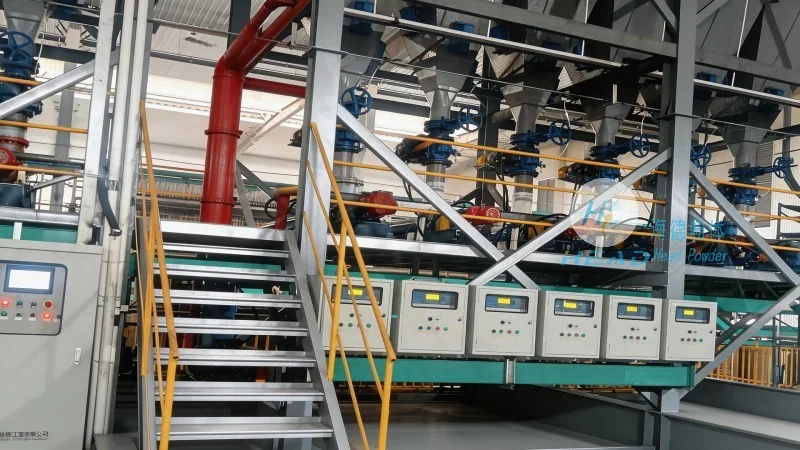
PVC powder, due to its fine particle size and hygroscopic nature, presents unique challenges during transportation. Common issues include agglomeration, caking, and material degradation if not handled properly. These factors can lead to blockages in pipelines, reduced flow rates, and increased maintenance requirements. Therefore, understanding the specific properties of PVC powder is essential before choosing an appropriate conveying system.
Popular Conveying Methods for PVC Powder
There are several effective methods for conveying PVC powder, each with its own advantages and applications. The choice of method depends on factors such as the volume of material, the distance to be conveyed, the required flow rate, and the plant layout. Below are some of the most commonly used techniques:
1. Air-Pressure (Positive-Pressure) Conveying
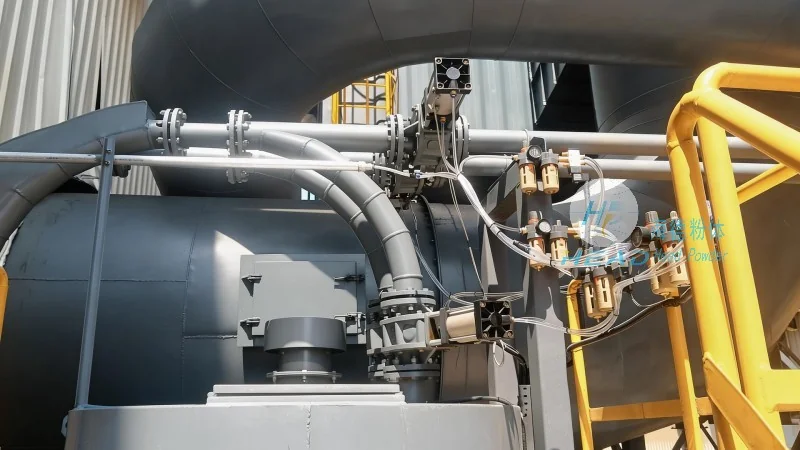
This method utilizes compressed air to transport PVC powder through a pipeline. The system typically includes a hopper, a rotary airlock valve, and a receiver. The compressed air creates a positive pressure that pushes the powder forward, ensuring a continuous and reliable flow. Air-pressure conveying is ideal for long-distance transport and can handle large volumes of material. It is particularly effective for materials that are prone to caking or agglomeration, as the air flow helps to keep the particles separated.
2. Air-Gravity (Negative-Pressure) Conveying
In contrast to positive-pressure systems, negative-pressure conveying uses suction to draw the PVC powder into the pipeline. This method is often used for shorter distances or when the material needs to be transferred from a lower elevation to a higher one. The system includes a vacuum pump, a hopper with a rotary valve, and a receiver. Air-gravity conveying is energy-efficient and can handle materials that are less abrasive, but it may not be suitable for very fine or sticky powders that tend to clog the suction line.
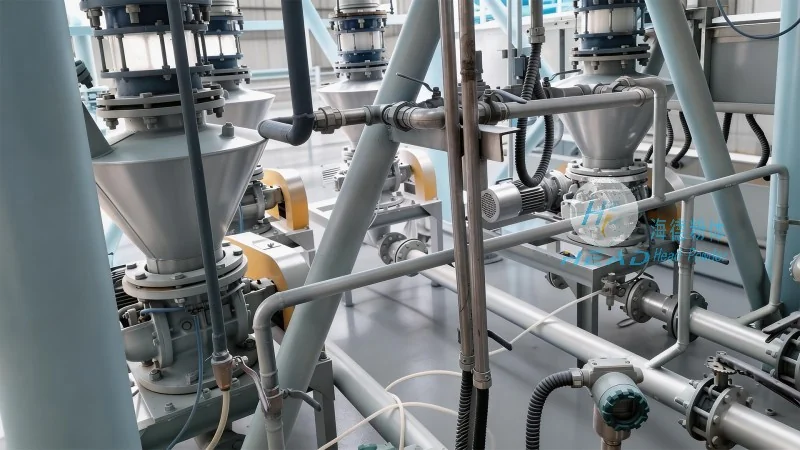
3. Screw (Auger) Conveyors
Screw conveyors are a type of mechanical conveyor that uses a rotating screw to move PVC powder along a trough. This method is suitable for horizontal or slightly inclined transport and is ideal for moderate volumes of material. Screw conveyors are relatively simple in design, easy to install, and can be integrated into existing plant layouts. They are particularly effective for materials that are not prone to caking and can be used in both batch and continuous operation modes.
4. Vibratory Conveyors
Vibratory conveyors use vibrations to move PVC powder through a trough. The vibrations help to keep the particles in motion, preventing them from settling and clogging the system. This method is suitable for both horizontal and inclined transport and can handle a wide range of materials, including those with high moisture content or sticky properties. Vibratory conveyors are energy-efficient and can be designed to handle large volumes of material, making them a popular choice for many industrial applications.
5. Pneumatic Conveying Systems with Specialized Components
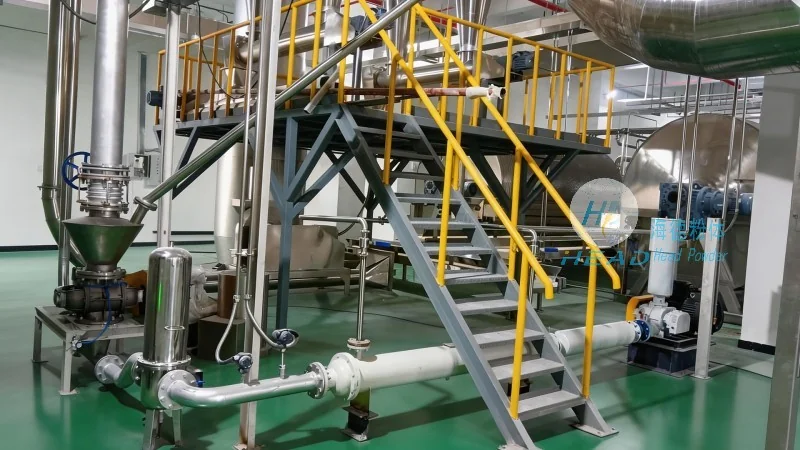
For more complex applications, specialized pneumatic conveying systems may be used. These systems often include components such as cyclone separators, filters, and material feeders to ensure efficient and clean transport. The use of cyclone separators helps to separate the powder from the air stream, reducing the risk of contamination and improving product quality. Material feeders, such as rotary valves or star feeders, control the flow rate and prevent overfilling, which can lead to blockages. These specialized components are crucial for maintaining the integrity of the PVC powder during transportation.
Choosing the Right Conveying System for Your Needs
Selecting the appropriate conveying method for PVC powder requires a thorough analysis of the specific requirements of your operation. Factors such as the volume of material, the distance to be conveyed, the required flow rate, and the plant layout must all be considered. Additionally, the properties of the PVC powder, including its particle size, moisture content, and tendency to agglomerate, play a significant role in the selection process. Consulting with a professional like Shandong HeadPowder Engineering Co., Ltd. can help you identify the most suitable conveying system, ensuring optimal performance and cost-effectiveness.
Conclusion
Efficient PVC powder conveying is essential for maintaining product quality and operational efficiency in industrial applications. By understanding the different conveying methods and their applications, you can choose the right system for your needs. Whether you opt for air-pressure, air-gravity, screw, or vibratory conveyors, or a specialized pneumatic system, the key is to select a method that addresses the unique challenges of PVC powder while meeting your operational requirements. With the expertise of Shandong HeadPowder Engineering Co., Ltd., you can ensure that your PVC powder is transported safely and effectively, contributing to the success of your production processes.

 Shandong Headpowder Engineering Co., Ltd.
 156-6277-7102(Quản lý Trương)
  0531-83386006
  Thành phố Tế Nam, Tỉnh Sơn Đông, Trung Quốc
Điện thoại
WeChatTư vấn
Lên đầu