Với hơn 10 năm kinh nghiệm về vận chuyển khí nén, Headpowder Sơn Đông cung cấp hệ thống, thiết bị và quạt gió toàn chuỗi, đảm nhận các dự án kỹ thuật bột trọn gói trên toàn quốc.
Beer spoilage, also known as spent grain or beer lees, is a byproduct of the brewing process that requires efficient and reliable transportation for further processing or disposal. The proper handling of this material is crucial for maintaining operational efficiency and environmental compliance in breweries. Various methods are employed to transport beer spoilage, each with its own advantages and applications depending on the scale of production and the specific requirements of the facility.
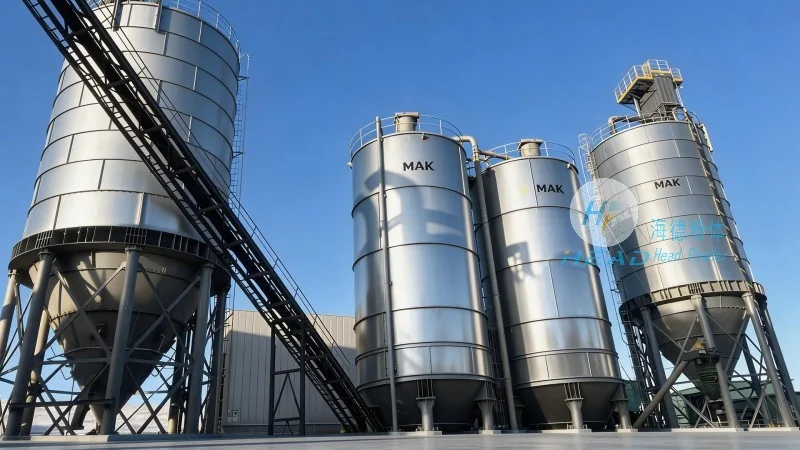
Overview of Beer Spoilage Transportation
Beer spoilage, which includes spent grains, trub, and other solid residues from brewing, must be moved from the brewing tanks to storage or processing areas. The choice of transportation method depends on factors such as the volume of spoilage, the distance to be covered, the physical properties of the material (e.g., moisture content, bulk density), and the available infrastructure. Effective transportation systems ensure that the spoilage is handled hygienically and without causing contamination or waste.
Common Methods of Beer Spoilage Transportation
Several approaches are commonly used to transport beer spoilage, ranging from traditional manual methods to modern automated systems. The primary methods include gravity flow, mechanical handling, and pneumatic transport. Each method is suited to different operational scenarios and can be integrated into existing brewery setups.
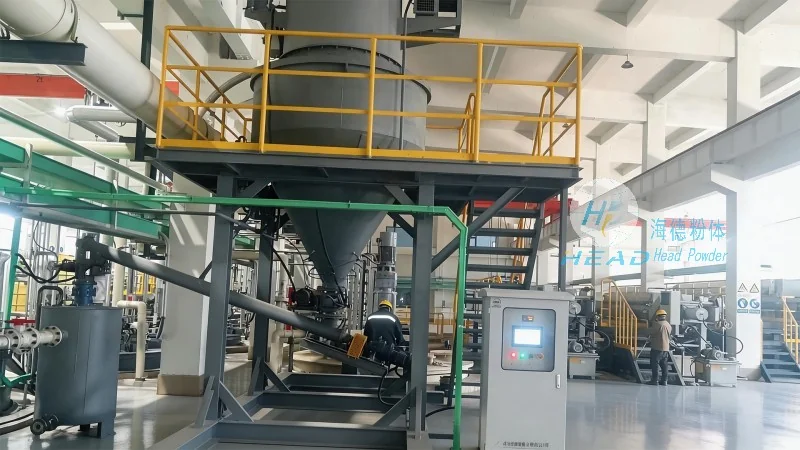
Gravity Flow Systems
Gravity flow systems utilize the natural force of gravity to move beer spoilage from higher to lower levels. This method is often employed in breweries with multiple levels or where the spoilage can be channeled down slopes. The system typically involves a series of troughs or chutes that guide the material from the brewing tanks to a collection point. Gravity flow is cost-effective and requires minimal energy, making it suitable for smaller breweries or for transporting spoilage over short distances. However, it is limited by the topography of the facility and may not be suitable for large volumes or steep inclines.
Mechanical Handling Equipment
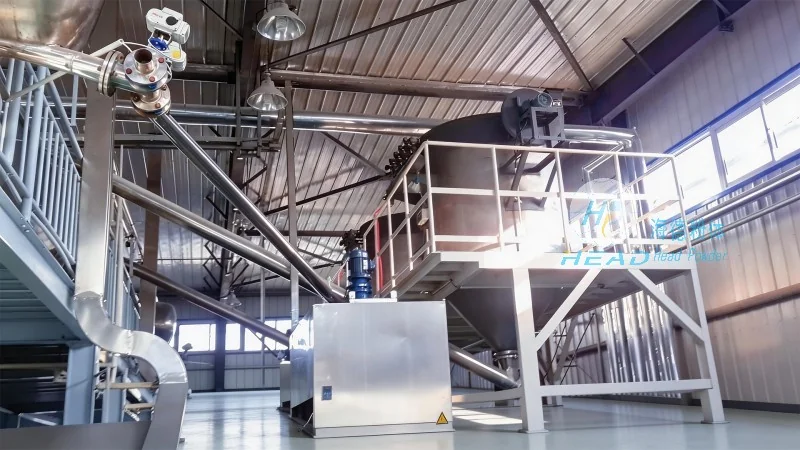
For larger breweries or when transporting spoilage over longer distances, mechanical handling equipment is often preferred. This category includes conveyor belts, screw conveyors, and pump systems. Conveyor belts are widely used for transporting dry or semi-dry spoilage, as they can handle bulk materials efficiently and can be customized to fit the layout of the brewery. Screw conveyors, also known as augers, are effective for moving moist or sticky spoilage, as they can push the material through pipes or chutes. Pump systems, such as slurry pumps, are used when the spoilage is mixed with water, forming a slurry that can be pumped through pipelines. Mechanical handling equipment provides consistent and reliable transportation, but it requires regular maintenance and may involve higher initial costs compared to gravity systems.
Pneumatic Transport
Pneumatic transport systems use air pressure to move beer spoilage through a network of pipes. This method is particularly useful for transporting fine or powdery spoilage, such as spent grain that has been dried and ground. The system consists of a blower or compressor that generates air pressure, which propels the material through the pipes. Pneumatic transport is highly efficient for moving spoilage over long distances and can be integrated with other processing equipment. However, it requires airtight pipelines and may not be suitable for large volumes of wet or heavy spoilage, as it can lead to increased energy consumption and wear on the system.
Integration with Processing and Storage
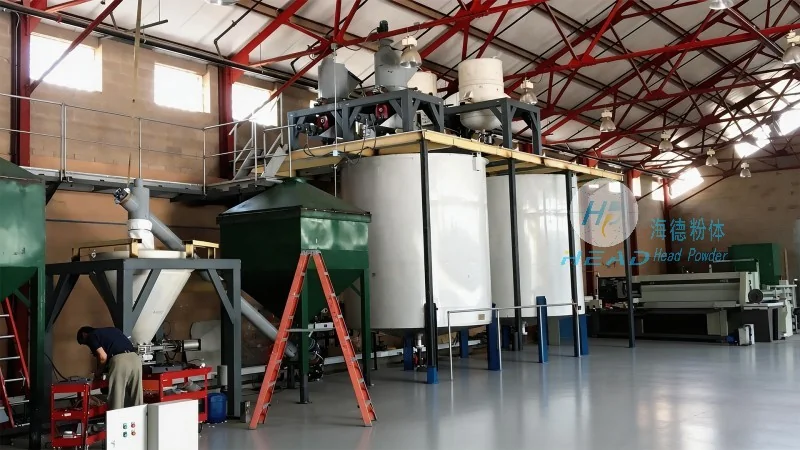
The transportation of beer spoilage is often part of a larger system that includes processing and storage. After being transported, the spoilage may be further processed, such as drying or composting, or stored in silos or tanks for later use. The choice of transportation method should align with the downstream processing steps to ensure smooth operation. For example, if the spoilage is to be dried, a conveyor system may be used to move it to a drying facility, while a pump system may be used to transport the slurry to a storage tank for composting.
Considerations for Choosing a Transportation Method
When selecting a beer spoilage transportation method, several factors must be considered to ensure optimal performance and cost-effectiveness. The first consideration is the volume of spoilage to be handled. For small volumes, gravity flow or manual handling may be sufficient, while larger volumes require mechanical or pneumatic systems. The second factor is the distance to be covered. Short distances may be handled by gravity or conveyor belts, while longer distances may require pump or pneumatic systems. The third factor is the physical properties of the spoilage, such as moisture content and bulk density. Moist and sticky spoilage may require screw conveyors or pump systems, while dry or powdery spoilage may be better suited for pneumatic transport. Additionally, the available space and infrastructure of the brewery must be considered, as some systems require more floor space or vertical clearance than others.
Conclusion
Efficient transportation of beer spoilage is essential for maintaining the operational efficiency and environmental sustainability of breweries. By selecting the appropriate method—whether gravity flow, mechanical handling, or pneumatic transport—breweries can ensure that the spoilage is handled hygienically and without causing waste. The choice of method depends on various factors, including the volume of spoilage, the distance to be covered, and the physical properties of the material. Companies like Shandong HeadPowder Engineering Co., Ltd. specialize in providing customized transportation solutions tailored to the specific needs of breweries, helping to optimize their operations and reduce costs.

 Shandong Headpowder Engineering Co., Ltd.
 156-6277-7102(Quản lý Trương)
  0531-83386006
  Thành phố Tế Nam, Tỉnh Sơn Đông, Trung Quốc
Điện thoại
WeChatTư vấn
Lên đầu