Với hơn 10 năm kinh nghiệm về vận chuyển khí nén, Headpowder Sơn Đông cung cấp hệ thống, thiết bị và quạt gió toàn chuỗi, đảm nhận các dự án kỹ thuật bột trọn gói trên toàn quốc.
When it comes to the efficient handling and transportation of cotton, understanding the various methods of cotton conveying is crucial for optimizing operations in textile processing and agricultural supply chains. The choice of conveying system can significantly impact productivity, material quality, and overall operational costs. In this article, we explore the primary methods used for cotton conveyance, highlighting the technical aspects and practical applications of each approach.
Overview of Cotton Conveying Systems
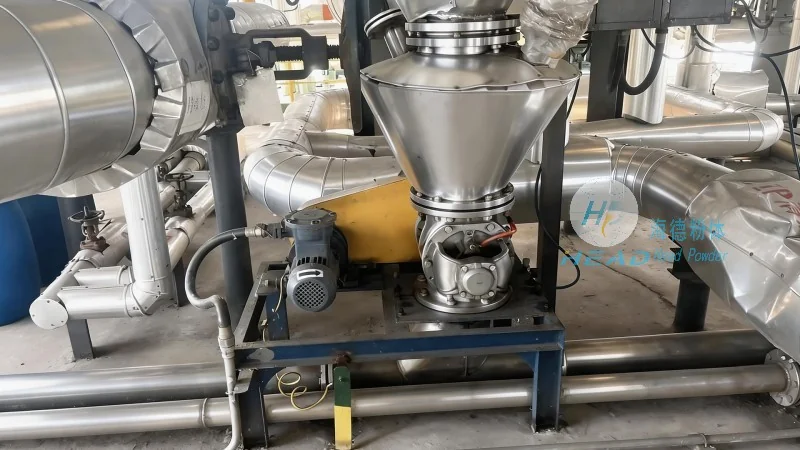
Cotton conveying systems are designed to move raw cotton from storage areas to processing machinery, such as bale openers, carding machines, and spinning equipment. These systems must handle the unique properties of cotton, including its fibrous nature, variability in moisture content, and potential contamination. The primary goal is to ensure a consistent and reliable flow of material while minimizing damage to the fibers. Several established methods are commonly employed in the industry, each with its own advantages and specific use cases.
1. Belt Conveyors for Cotton Handling
Belt conveyors are one of the most widely used methods for cotton conveying. These systems utilize a continuous belt, typically made of durable materials like rubber or synthetic fabrics, to transport cotton bales or loose fibers. The belt is supported by rollers and guided by idlers, allowing it to move horizontally or at a slight incline. For cotton, specialized belts may be used to prevent fiber entanglement and ensure smooth movement. Belt conveyors are particularly effective for moving large bales from storage to processing areas, as they can handle heavy loads with minimal friction. The design often includes tensioning mechanisms and cleaning systems to maintain performance over time. This method is favored for its simplicity, reliability, and ability to handle bulk quantities efficiently.
2. Pneumatic Conveying Systems
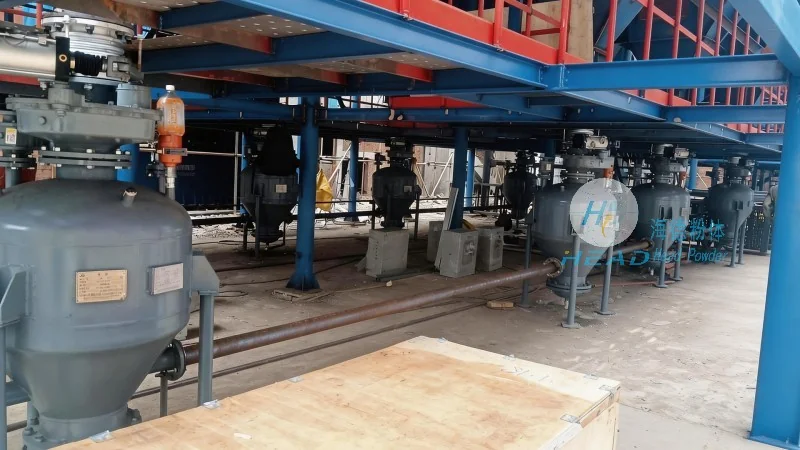
Pneumatic conveying, also known as air conveying, is another critical method for cotton transportation. This technology uses compressed air to transport loose cotton fibers or small particles through a network of pipes. The system typically consists of a hopper, a blower, and a series of ducts. As compressed air is introduced, it creates a low-pressure zone that draws the cotton into the pipes, where it is carried to the destination. Pneumatic systems are highly effective for moving cotton from one processing stage to another, such as from a bale opener to a carding machine. They offer advantages like dust control, as the material is enclosed within the system, and the ability to transport materials over longer distances without the need for multiple transfer points. However, they require careful management of air pressure and flow rates to prevent material degradation or system blockages. Proper maintenance of the blower and ducts is essential to ensure consistent performance.
3. Screw Conveyors in Cotton Processing
Screw conveyors, or auger conveyors, are commonly used for the horizontal or slight incline transport of cotton. These systems consist of a rotating screw (auger) enclosed in a tube or trough. As the screw rotates, it pushes the cotton forward, similar to how a screw moves through a nut. Screw conveyors are particularly suitable for moving loose cotton from storage bins or hoppers to processing equipment. They are effective for handling bulk materials and can be designed with variable speeds to control the flow rate. The design may include a discharge mechanism at the end to release the cotton into the next stage of processing. Screw conveyors are known for their simplicity and low maintenance requirements, making them a cost-effective solution for many cotton processing facilities. However, they may not be suitable for very fine or delicate fibers, as the screw can cause some fiber breakage.
4. Bucket Elevators for Vertical Cotton Transport
For vertical or inclined transport of cotton, bucket elevators are often employed. These systems use a series of buckets attached to a chain or belt that moves vertically or at an angle. As the buckets ascend, they pick up cotton from a hopper and carry it to a higher level, where it is discharged. Bucket elevators are particularly useful for moving cotton from ground-level storage to elevated processing areas, such as carding machines or spinning lines. They are capable of handling large volumes of material and can operate at high speeds, contributing to increased throughput. The design includes a drive system and a return chain to maintain the buckets in a continuous cycle. Proper alignment and lubrication of the chain and buckets are essential to prevent wear and ensure smooth operation. Bucket elevators are known for their efficiency in vertical transport and their ability to handle heavy loads without the need for additional support structures.
5. Hydraulic Conveying Systems
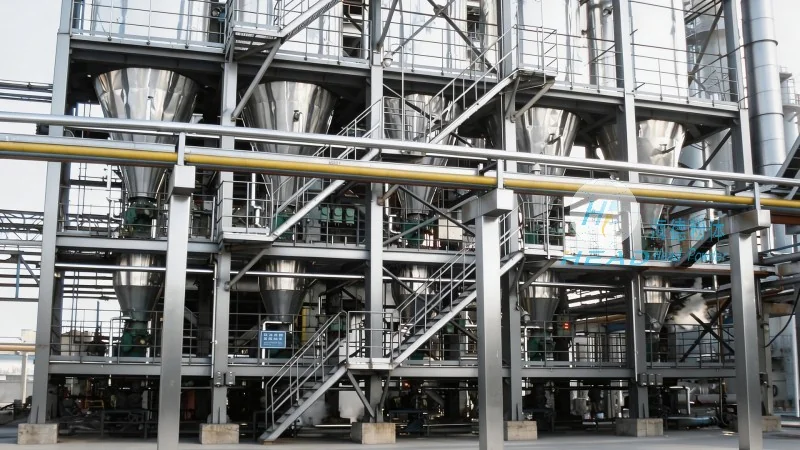
Hydraulic conveying systems use fluid power to transport cotton, typically in the form of a slurry or suspension. The system involves pumping a mixture of cotton fibers and liquid through pipes under pressure. This method is often used for transporting cotton from field storage to processing facilities, especially in regions where water is readily available. Hydraulic systems can handle large volumes of material and are effective for long-distance transport. However, they require careful control of fluid properties, such as viscosity and temperature, to prevent clogging or material separation. The design includes pumps, valves, and control systems to regulate the flow and pressure. While less common than other methods, hydraulic conveying offers unique advantages in specific applications, such as handling wet or contaminated cotton.
6. Combination Conveying Systems
In many modern cotton processing facilities, a combination of the above methods is used to create an integrated conveying system. For example, a facility might use a belt conveyor to move bales from storage to a pneumatic system that transports loose fibers to a screw conveyor for further processing. This approach allows for flexibility and efficiency, as each method is chosen based on the specific requirements of the processing stage. The integration of multiple systems requires careful planning and coordination to ensure smooth material flow and minimize downtime. Companies like Shandong HeadPowder Engineering Co., Ltd. specialize in designing and manufacturing customized conveying solutions that combine the best features of different technologies, tailored to the unique needs of each client.
Conclusion and Practical Considerations
Selecting the appropriate cotton conveying method depends on several factors, including the type of cotton being processed, the scale of operations, and the specific requirements of the processing equipment. Each method has its strengths and limitations, and the choice should be based on a thorough analysis of operational needs and cost considerations. Regular maintenance and monitoring of the conveying system are essential to ensure optimal performance and longevity. By understanding the different cotton conveying methods and their applications, textile manufacturers and agricultural processors can enhance their operational efficiency and maintain the quality of their cotton products. Shandong HeadPowder Engineering Co., Ltd. provides expertise in designing and implementing effective cotton conveying solutions, helping clients achieve their production goals while minimizing costs and maximizing material quality.

 Shandong Headpowder Engineering Co., Ltd.
 156-6277-7102(Quản lý Trương)
  0531-83386006
  Thành phố Tế Nam, Tỉnh Sơn Đông, Trung Quốc
Điện thoại
WeChatTư vấn
Lên đầu