Với hơn 10 năm kinh nghiệm về vận chuyển khí nén, Headpowder Sơn Đông cung cấp hệ thống, thiết bị và quạt gió toàn chuỗi, đảm nhận các dự án kỹ thuật bột trọn gói trên toàn quốc.
When it comes to handling zircon sand, selecting the right conveying method is crucial for efficiency and cost-effectiveness in industrial operations. Zircon sand, a key raw material in various industries including ceramics, refractories, and chemical manufacturing, requires reliable transport solutions that can maintain material integrity and minimize downtime. This article explores the primary methods used for zircon sand conveyance, with a focus on the advanced pneumatic conveying systems offered by Shandong HeadPowder Engineering Co., Ltd., commonly known as HeadPowder.
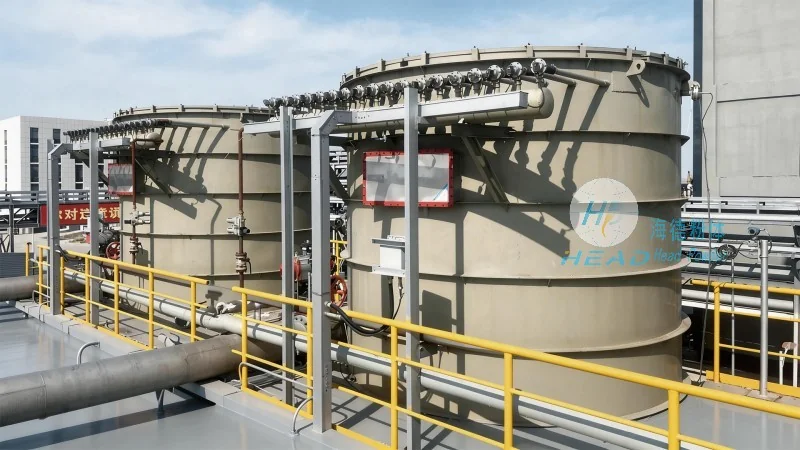
Understanding Zircon Sand and Its Conveying Challenges
Zircon sand, composed primarily of zirconium silicate (ZrSiO₄), is characterized by its high density, abrasive nature, and fine particle size. These properties make traditional bulk material handling methods, such as belt conveyors or screw conveyors, less suitable due to potential wear and tear on equipment, as well as the risk of material degradation. The need for gentle, low-friction transport has led to the adoption of specialized systems designed to preserve the quality of zircon sand throughout the conveying process.
Common Zircon Sand Conveying Methods
Several conventional conveying methods are employed in the industry, each with its own set of advantages and limitations. Belt conveyors, for instance, are widely used for horizontal or slight incline transport but may struggle with the abrasive properties of zircon sand, leading to increased maintenance costs and reduced lifespan of conveyor components. Screw conveyors, while effective for vertical or inclined transport, can cause particle breakage and segregation, which is undesirable for high-value zircon sand. Additionally, both methods require regular cleaning and maintenance to prevent material buildup and ensure consistent performance.
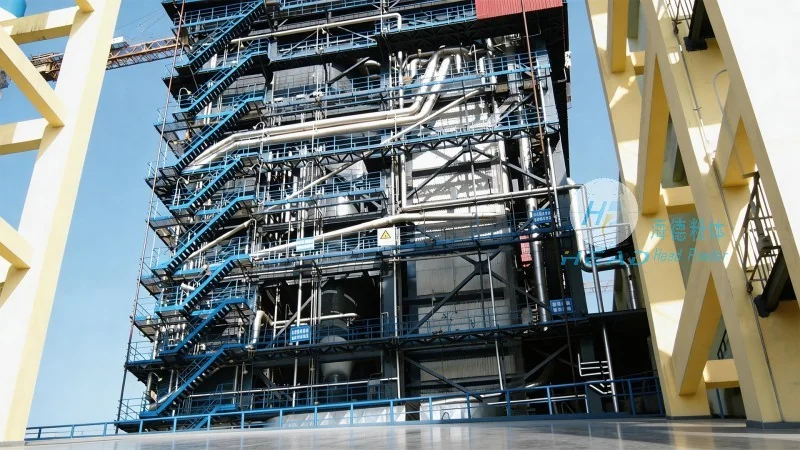
Pneumatic Conveying: The Preferred Solution for Zircon Sand Handling
HeadPowder's pneumatic conveying systems represent a superior alternative to traditional methods, offering a range of benefits tailored to the unique demands of zircon sand. Pneumatic conveying utilizes air or other gases to transport bulk materials through a pipeline network, eliminating the need for mechanical components that come into direct contact with the material. This approach minimizes wear and tear, reduces the risk of contamination, and ensures the integrity of the zircon sand particles remains intact.
How Pneumatic Conveying Works
At its core, pneumatic conveying operates by creating a pressure differential within a pipeline. The system draws zircon sand from a hopper or storage bin and propels it through the pipeline using compressed air. The air velocity is carefully controlled to maintain a stable flow of material, preventing clogging or uneven distribution. HeadPowder's systems are equipped with advanced control mechanisms that adjust air pressure and flow rates in real-time, ensuring optimal performance under varying load conditions.
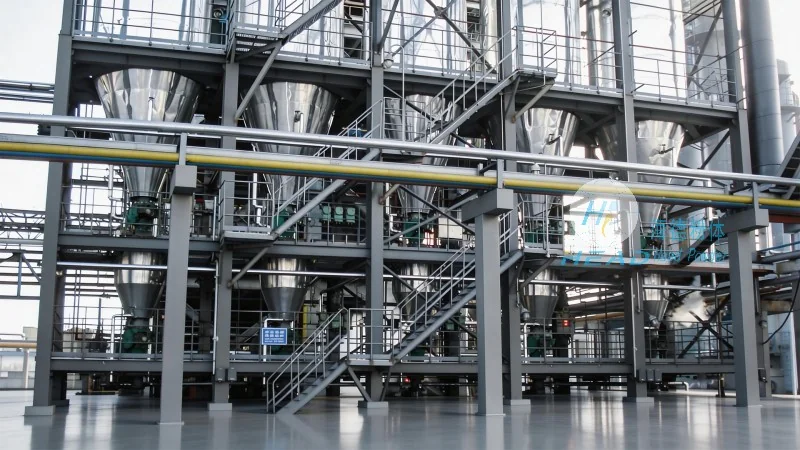
Key Advantages of HeadPowder's Pneumatic Conveying Systems
Compared to traditional methods, HeadPowder's pneumatic conveying solutions offer several distinct advantages for zircon sand handling. First, the system provides a completely enclosed transport path, which prevents dust emissions and protects the environment while maintaining a clean working environment. This is particularly important for zircon sand, which can generate fine particles that are hazardous if released into the air. Second, the low friction and gentle handling of the material reduce wear on equipment, leading to lower maintenance costs and longer operational lifespans. Third, the system's flexibility allows for easy integration with existing production lines, enabling seamless material transfer between processing stages without the need for manual intervention.
Customization and Scalability
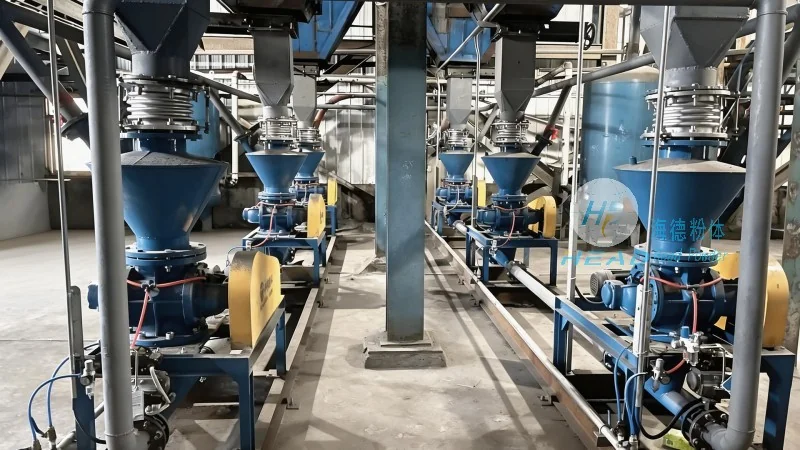
HeadPowder understands that each industrial application has unique requirements. Therefore, their pneumatic conveying systems are highly customizable to meet specific operational needs. Whether the application involves short-distance transport within a facility or long-distance transfer between sites, HeadPowder can design a system that matches the required flow rates, pressure levels, and material handling capacities. The company's engineering team works closely with clients to assess their current processes, identify pain points, and develop tailored solutions that enhance efficiency and reduce operational costs.
Conclusion: Choosing the Right Conveying Method for Zircon Sand
For industries dealing with zircon sand, selecting an appropriate conveying method is critical to maintaining productivity and preserving material quality. While traditional methods like belt and screw conveyors have their place, they often fall short in addressing the specific challenges posed by zircon sand. HeadPowder's pneumatic conveying systems provide a reliable, efficient, and cost-effective solution that addresses these challenges head-on. By leveraging advanced technology and a deep understanding of material handling, HeadPowder helps clients optimize their zircon sand transport processes, ensuring smooth operations and long-term success in their respective industries.

 Shandong Headpowder Engineering Co., Ltd.
 156-6277-7102(Quản lý Trương)
  0531-83386006
  Thành phố Tế Nam, Tỉnh Sơn Đông, Trung Quốc
Điện thoại
WeChatTư vấn
Lên đầu