Với hơn 10 năm kinh nghiệm về vận chuyển khí nén, Headpowder Sơn Đông cung cấp hệ thống, thiết bị và quạt gió toàn chuỗi, đảm nhận các dự án kỹ thuật bột trọn gói trên toàn quốc.
Efficient and reliable transport of feed pellets is a critical aspect of modern feed production and processing. The selection of an appropriate pneumatic conveying system is essential to ensure smooth operations, maintain product quality, and optimize overall production efficiency. This article provides a comprehensive guide to help you choose the right pneumatic conveying system for your feed pellet transport process, considering key factors and practical considerations.
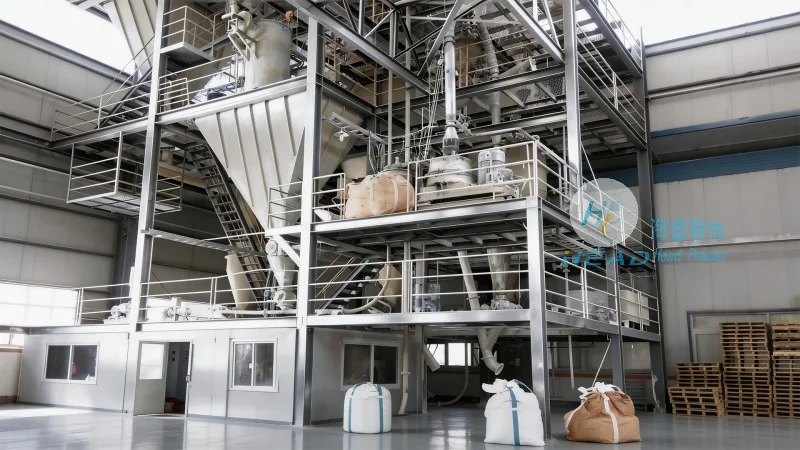
Understanding the Importance of Pneumatic Conveying in Feed Pellet Handling
Feed pellets, often referred to as feed pellets or feed pellets, are a vital component in animal nutrition. The efficient transport of these pellets from storage to processing equipment, or from one production stage to another, directly impacts the productivity and cost-effectiveness of the entire feed manufacturing process. Traditional methods like belt conveyors or bucket elevators may not always be suitable for delicate feed pellets, as they can cause abrasion, breakage, or contamination. Pneumatic conveying systems offer a solution by using air to move material through a pipeline, minimizing product damage and ensuring a clean, hygienic transfer. This method is particularly advantageous for handling fine or sensitive feed pellets, where maintaining product integrity is paramount.
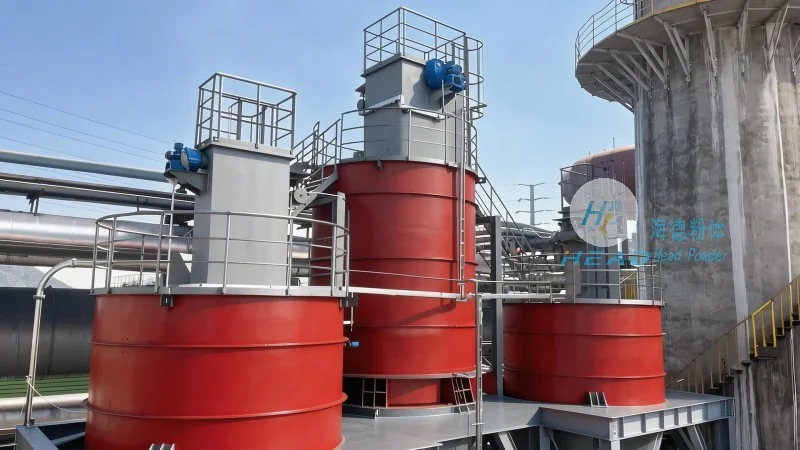
Key Factors to Consider When Selecting a Pneumatic Conveying System
Choosing the right pneumatic conveying system for feed pellet transport involves evaluating several critical factors to match the system to your specific operational needs. The first consideration is the material characteristics of the feed pellets. Factors such as particle size, density, moisture content, and flowability will determine the most suitable conveying method. For example, if the pellets are fine and have a high moisture content, a positive pressure system might be more effective to prevent clogging and ensure consistent flow. Conversely, if the pellets are larger and less abrasive, a negative pressure system could be more economical and efficient. Another crucial factor is the distance and layout of the transport route. The length of the pipeline, number of turns, and elevation changes will affect the required air pressure and system capacity. It is essential to assess the system's capacity to handle the desired throughput while maintaining the required air velocity to prevent material settling or blockages. Additionally, the operating environment and space constraints should be considered. Pneumatic conveying systems can be designed to fit into existing facilities or be installed as a new system, with options for vertical or horizontal transport, or a combination of both. The choice of system should also align with the overall production goals, such as minimizing downtime, reducing labor costs, and improving product quality.
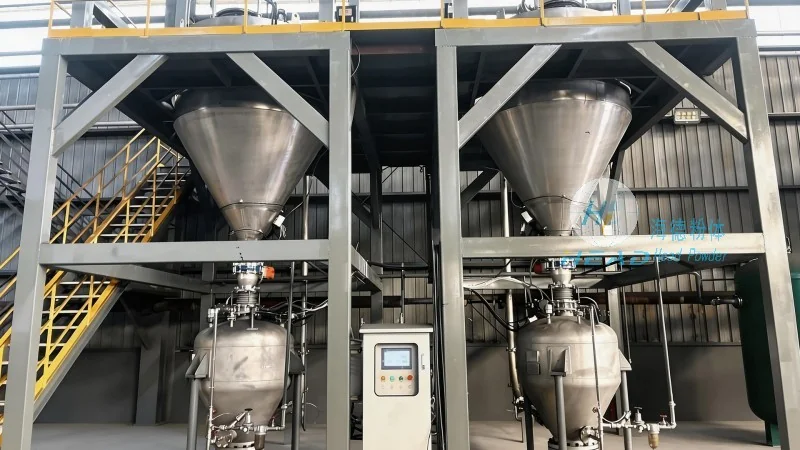
Types of Pneumatic Conveying Systems for Feed Pellet Transport
There are several types of pneumatic conveying systems available, each with its own advantages and applications. The most common types include positive pressure systems, negative pressure systems, and hybrid systems. Positive pressure systems use a blower or compressor to generate air pressure that pushes the material through the pipeline. This method is suitable for long-distance or high-capacity transport, as it can maintain consistent air velocity and prevent material settling. Positive pressure systems are often preferred for handling fine or sensitive feed pellets, as they minimize the risk of product degradation. Negative pressure systems, on the other hand, use a vacuum to draw the material into the pipeline. This method is ideal for short-distance transport or when the material needs to be collected from multiple points. Negative pressure systems are generally more cost-effective for shorter distances but may require more maintenance to prevent dust and debris from entering the system. Hybrid systems combine elements of both positive and negative pressure, offering flexibility in handling different material types and transport distances. For feed pellet transport, a positive pressure system is often recommended due to the need to maintain product integrity and avoid contamination. However, the specific type of system should be selected based on the material characteristics, transport distance, and operational requirements.

 Shandong Headpowder Engineering Co., Ltd.
 156-6277-7102(Quản lý Trương)
  0531-83386006
  Thành phố Tế Nam, Tỉnh Sơn Đông, Trung Quốc
Điện thoại
WeChatTư vấn
Lên đầu