Với hơn 10 năm kinh nghiệm về vận chuyển khí nén, Headpowder Sơn Đông cung cấp hệ thống, thiết bị và quạt gió toàn chuỗi, đảm nhận các dự án kỹ thuật bột trọn gói trên toàn quốc.
When it comes to designing a phosphate iron pneumatic conveying system, the process involves careful consideration of multiple factors to ensure efficiency, reliability, and cost-effectiveness. As a leading provider in the field, Shandong HeadPowder Engineering Co., Ltd. (referred to as HeadPowder) understands the critical role that a well-designed system plays in optimizing material handling operations. This article outlines key considerations and steps for creating a robust phosphate iron pneumatic conveying system plan.
Understanding the Basics of Pneumatic Conveying for Phosphate Iron
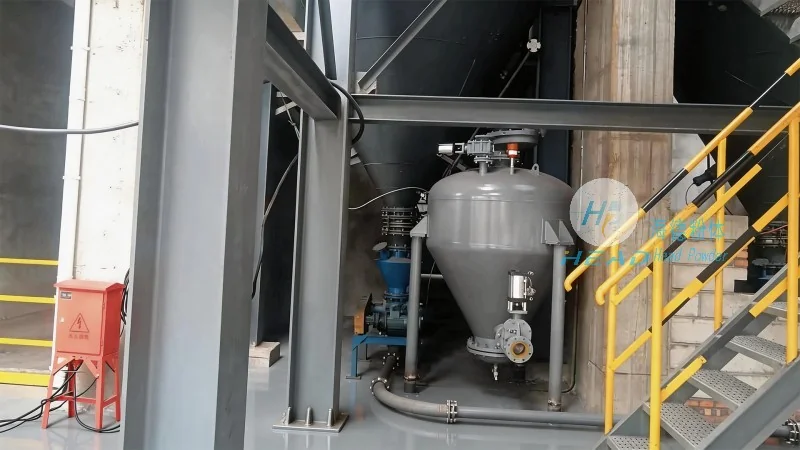
Phosphate iron, a vital material in various industrial applications, requires specialized handling due to its physical properties. Pneumatic conveying systems offer a non-contact, dust-free method for transporting this material, making them ideal for applications where product integrity and safety are paramount. Before diving into system design, it is essential to understand the different types of pneumatic conveying systems and their suitability for phosphate iron.
Key Factors to Consider in System Design
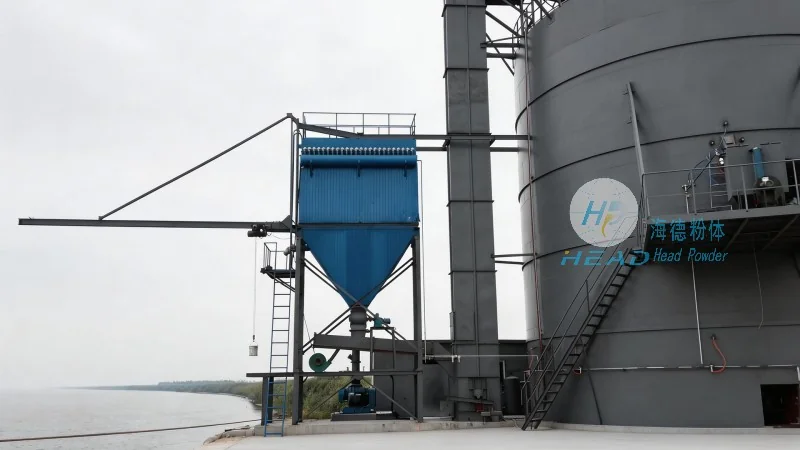
Several critical factors must be evaluated when designing a phosphate iron pneumatic conveying system. These include the material's bulk density, flowability, and moisture content, as well as the desired conveying distance and throughput. The choice between positive pressure, negative pressure, or a combination of both depends on these characteristics. Additionally, the system's layout, including the number of inlets and outlets, must be optimized to minimize pressure losses and ensure smooth material flow.
Selecting the Right Equipment for Your System
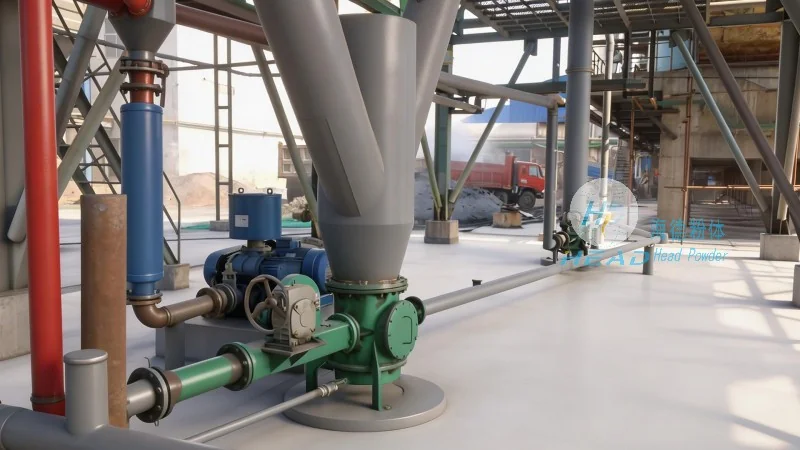
HeadPowder emphasizes the importance of selecting appropriate equipment for each component of the pneumatic conveying system. Key equipment includes the air compressor, which must be capable of delivering sufficient pressure and volume to move the phosphate iron efficiently. The material feeders, such as rotary valves or screw feeders, are critical for controlling the flow rate and preventing blockages. The conveying lines, typically made of stainless steel or other corrosion-resistant materials, must be sized appropriately to handle the material's properties and avoid excessive pressure drop.
Designing the Conveying Path and Layout
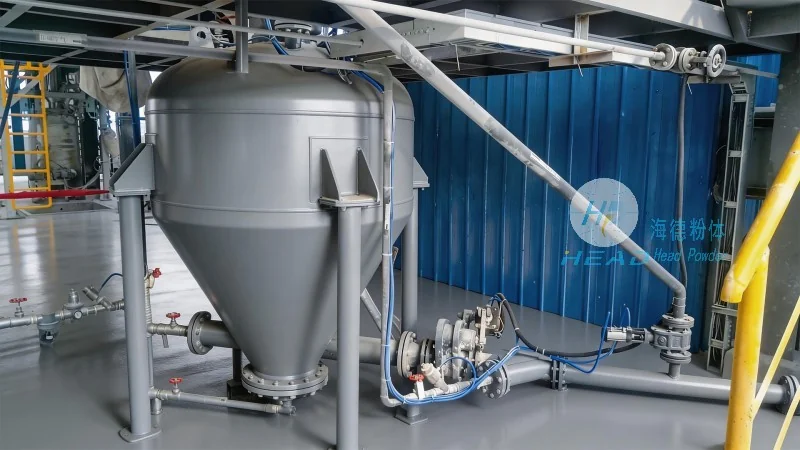
The layout of the conveying system significantly impacts its performance. A well-planned path minimizes the number of bends and changes in direction, which can cause pressure losses and material degradation. HeadPowder recommends using straight runs with gradual curves and avoiding sharp angles to maintain material flow. The system's height and horizontal distance must also be considered to ensure that the air pressure is sufficient to overcome gravitational forces and maintain the material's velocity.
Ensuring System Reliability and Maintenance
A phosphate iron pneumatic conveying system's longevity and performance depend on regular maintenance and proper system design. HeadPowder advises implementing a maintenance schedule that includes checking air compressor performance, cleaning filter systems, and inspecting conveying lines for wear or corrosion. Additionally, using high-quality components and materials, such as corrosion-resistant steel for the conveying lines, can extend the system's lifespan and reduce downtime.
Conclusion: Partnering with HeadPowder for Your Pneumatic Conveying Needs
Designing a phosphate iron pneumatic conveying system requires a comprehensive approach that considers material properties, system layout, and equipment selection. By following the guidelines outlined above and partnering with a reputable company like Shandong HeadPowder Engineering Co., Ltd., businesses can ensure they have a reliable and efficient system that meets their operational needs. HeadPowder's expertise in engineering and material handling solutions makes them a trusted partner for designing and implementing phosphate iron pneumatic conveying systems.

 Shandong Headpowder Engineering Co., Ltd.
 156-6277-7102(Quản lý Trương)
  0531-83386006
  Thành phố Tế Nam, Tỉnh Sơn Đông, Trung Quốc
Điện thoại
WeChatTư vấn
Lên đầu