Với hơn 10 năm kinh nghiệm về vận chuyển khí nén, Headpowder Sơn Đông cung cấp hệ thống, thiết bị và quạt gió toàn chuỗi, đảm nhận các dự án kỹ thuật bột trọn gói trên toàn quốc.
Designing a hydrogen sulfide (H₂S) pneumatic conveying system requires careful consideration of several critical factors to ensure efficiency, safety, and reliability. The process involves a systematic approach that integrates engineering principles, material properties, and operational requirements. This guide outlines the key steps and considerations for developing a well-designed H₂S pneumatic conveying system, with a focus on practical implementation and adherence to industry standards.
Understanding the Fundamentals of H₂S Pneumatic Conveying
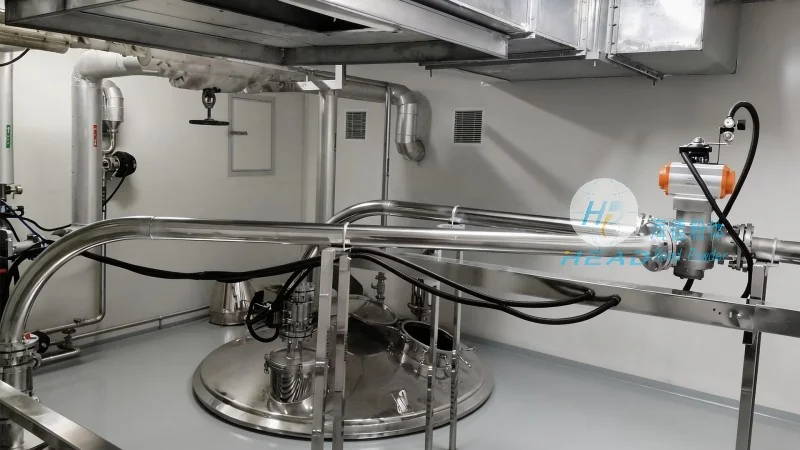
Before delving into system design, it is essential to understand the unique characteristics of hydrogen sulfide as a material to be conveyed. H₂S is a toxic, corrosive gas that poses significant health and safety risks if not handled properly. Its physical properties, such as density, viscosity, and reactivity, influence the choice of conveying method and equipment. Pneumatic conveying, which uses air or other gases to transport solid materials, is a common solution for handling H₂S, as it allows for enclosed, controlled transport that minimizes exposure risks.
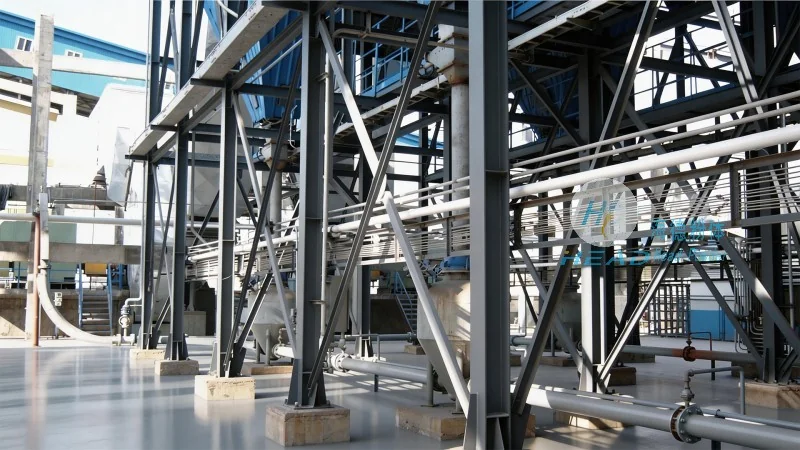
Key Design Considerations for H₂S Pneumatic Conveying Systems
Several critical factors must be evaluated during the design phase of an H₂S pneumatic conveying system. These include the material's flowability, the required conveying distance and capacity, the system's pressure and velocity requirements, and the need for safety and environmental controls. The design must also account for the corrosive nature of H₂S, which necessitates the use of materials that can withstand chemical exposure, such as stainless steel or specialized coatings. Additionally, the system should incorporate proper ventilation and gas detection to prevent leaks and ensure worker safety.
Equipment Selection and System Layout
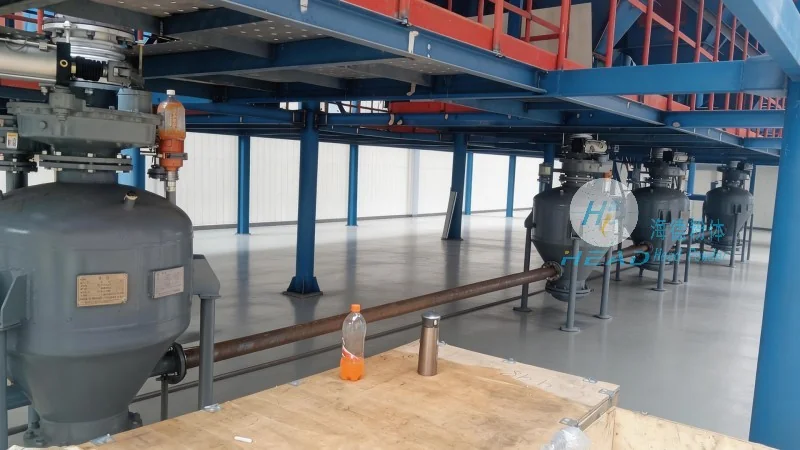
Choosing the appropriate equipment is a pivotal step in system design. The primary components of a pneumatic conveying system include the material feed hopper, the conveying line (e.g., pipes or ducts), the air or gas source (blower or compressor), and the discharge equipment. For H₂S applications, the feed hopper must be designed to prevent material bridging and ensure consistent flow. The conveying line should be sized and routed to minimize pressure drop and maintain optimal velocity, which is crucial for preventing material deposition and ensuring reliable transport. The air source must be capable of delivering sufficient pressure and volume to overcome system resistance and maintain the desired conveying velocity.
Ensuring Safety and Compliance
Due to the hazardous nature of H₂S, safety is the top priority in system design. The system must comply with relevant regulations and standards, such as those from OSHA (Occupational Safety and Health Administration) and local environmental agencies. Key safety features include explosion-proof components, gas detection systems, and emergency shutdown mechanisms. The design should also incorporate proper ventilation to remove any H₂S gas that may escape from the system, and the equipment should be regularly inspected and maintained to prevent leaks or malfunctions. Additionally, worker training and personal protective equipment (PPE) are essential components of a comprehensive safety plan.
Optimizing System Performance and Efficiency
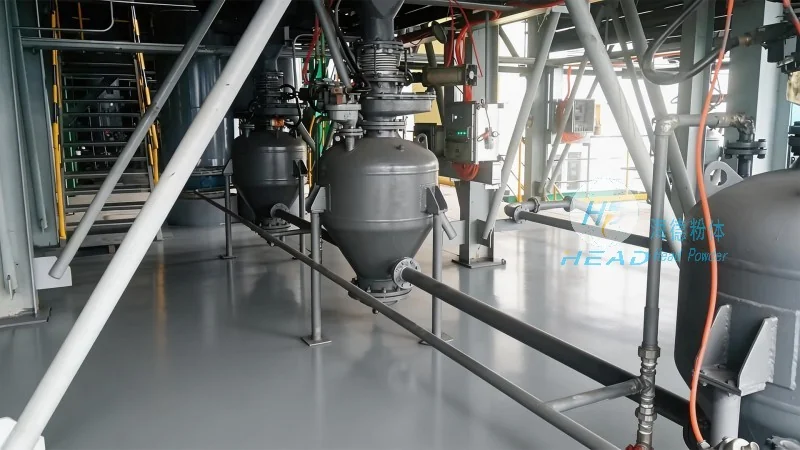
Once the system is designed and installed, optimizing its performance is critical for long-term operational success. This involves monitoring system parameters such as pressure, flow rate, and material velocity to ensure they remain within the optimal range. Regular maintenance, including cleaning of the conveying line and replacement of worn components, is necessary to prevent system degradation and maintain efficiency. The use of advanced control systems can also help automate the process, reducing human error and improving overall system reliability. By continuously evaluating and adjusting the system, operators can ensure it operates at peak efficiency while minimizing operational costs.
Conclusion
Designing a reasonable hydrogen sulfide pneumatic conveying system is a complex task that requires a thorough understanding of the material's properties, engineering principles, and safety considerations. By following a systematic approach and incorporating best practices, engineers can develop a system that is efficient, reliable, and safe. The expertise of companies like Shandong HeadPowder Engineering Co., Ltd. (headpowder) is invaluable in this process, as they provide tailored solutions that address the unique challenges of H₂S handling. With proper design and implementation, pneumatic conveying systems can effectively transport H₂S while minimizing risks and maximizing operational performance.

 Shandong Headpowder Engineering Co., Ltd.
 156-6277-7102(Quản lý Trương)
  0531-83386006
  Thành phố Tế Nam, Tỉnh Sơn Đông, Trung Quốc
Điện thoại
WeChatTư vấn
Lên đầu