Với hơn 10 năm kinh nghiệm về vận chuyển khí nén, Headpowder Sơn Đông cung cấp hệ thống, thiết bị và quạt gió toàn chuỗi, đảm nhận các dự án kỹ thuật bột trọn gói trên toàn quốc.
When it comes to handling chromic oxide, a critical material in various industrial applications, selecting the right pneumatic conveying system is paramount. A well-designed system ensures efficient material transport, minimizes downtime, and maintains product quality. This article provides a comprehensive guide on how to design a reasonable chromic oxide pneumatic conveying system, focusing on key considerations and best practices.
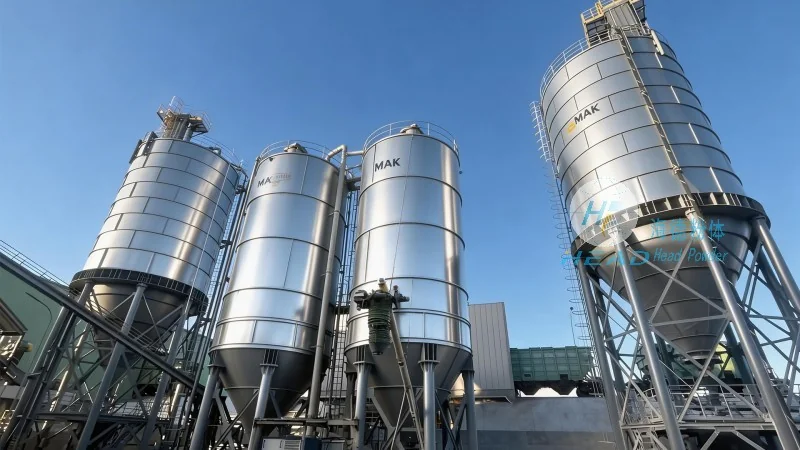
Understanding the Material Characteristics of Chromic Oxide
Chromic oxide, with its distinct chemical and physical properties, requires a specialized approach to pneumatic conveying. This material is known for its high density and potential for dust generation, which can impact system performance and safety. Properly assessing these characteristics is the first step in designing an effective conveying solution. For instance, the material's particle size distribution and flowability directly influence the choice of conveying method—whether it's a dilute phase or dense phase system. Additionally, chromic oxide's reactivity to moisture or air must be considered to prevent degradation during transport.
Key Design Considerations for Pneumatic Conveying Systems
Designing a pneumatic conveying system for chromic oxide involves several critical factors. First, the system's capacity and throughput requirements must align with production needs. This includes determining the required flow rate, which dictates the size of the conveying line and the power of the air compressor. Second, the system's layout and integration with existing infrastructure are crucial. A well-planned layout minimizes the number of bends and changes in direction, reducing pressure losses and energy consumption. Third, material handling equipment such as hoppers, feeders, and receivers must be designed to handle chromic oxide's properties without causing blockages or contamination. For example, using appropriate hopper designs with proper venting and discharge mechanisms can prevent material bridging and ensure smooth flow.
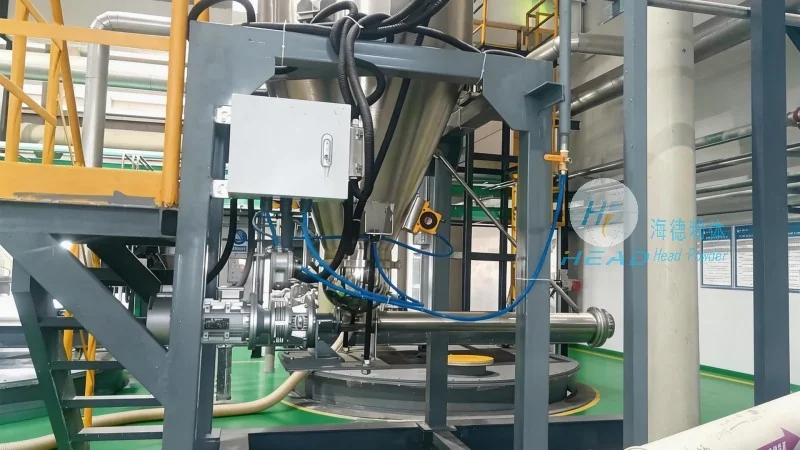
Choosing the Right Conveying Method for Chromic Oxide
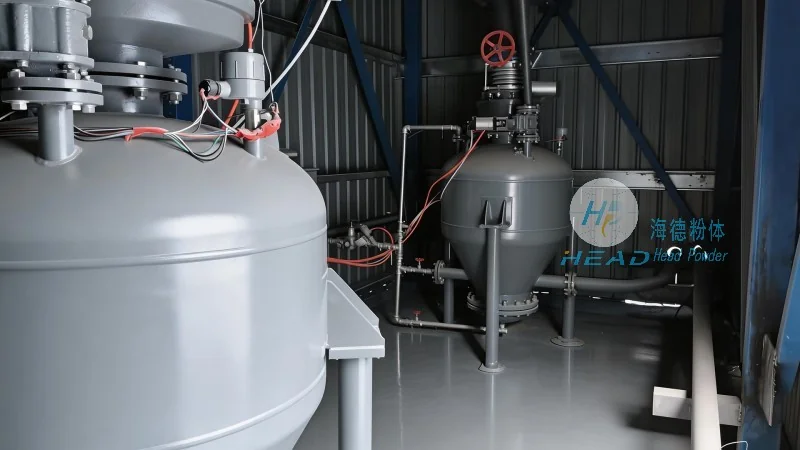
There are two primary types of pneumatic conveying systems: dilute phase and dense phase. Dilute phase systems use high-velocity air to transport material in a dispersed state, while dense phase systems use lower velocity air to move material in a slurry-like state. For chromic oxide, the choice depends on the material's properties and the distance to be conveyed. Dilute phase systems are suitable for short to medium distances and low to medium material loads, while dense phase systems are ideal for longer distances or when high material density is required. The selection also considers factors like energy efficiency and equipment maintenance. For instance, dense phase systems may require more complex equipment but offer better control over material flow, which is essential for sensitive materials like chromic oxide.
System Components and Their Role in Chromic Oxide Conveying
A pneumatic conveying system for chromic oxide consists of several key components, each playing a vital role in the overall operation. The air compressor provides the necessary pressure and airflow to move the material. The conveying line, typically made of stainless steel or other corrosion-resistant materials, ensures the material is transported without contamination. The hopper and feeder are responsible for feeding the material into the system, while the receiver collects the material at the destination. Additional components such as filters, cyclones, and pressure vessels are used to manage dust and maintain system pressure. For chromic oxide, selecting components that are resistant to corrosion and chemical reactions is essential to prevent equipment failure and ensure long-term system reliability.
Optimizing System Performance and Maintenance
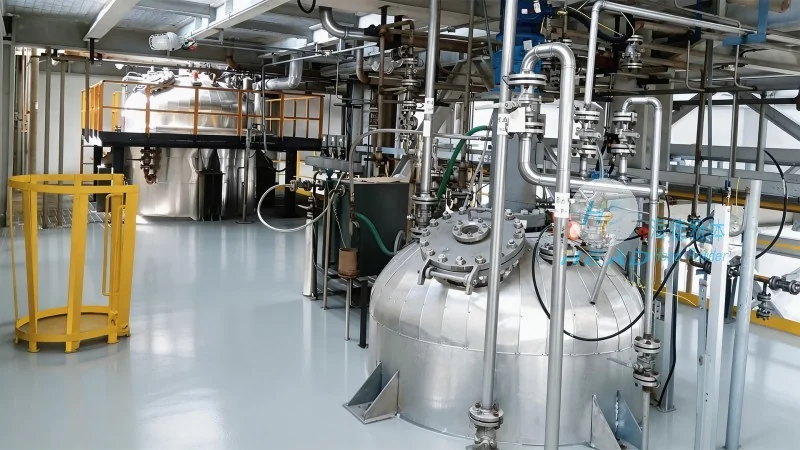
Once the system is designed and installed, optimizing its performance and maintaining it regularly are critical for sustained efficiency. Monitoring system pressure, airflow, and material flow rates helps identify any issues early on. Regular maintenance, including cleaning filters, inspecting equipment for wear and tear, and checking for leaks, ensures the system operates at peak performance. For chromic oxide, which can be abrasive, regular inspection of conveying lines and components is necessary to prevent damage and extend the system's lifespan. Additionally, implementing proper safety measures, such as dust collection systems and explosion-proof designs, is essential to protect personnel and equipment from potential hazards.
About Shandong HeadPowder Engineering Co., Ltd.
Shandong HeadPowder Engineering Co., Ltd., commonly known as HeadPowder, is a leading provider of engineering solutions for material handling systems. With a focus on innovation and customer satisfaction, HeadPowder specializes in designing and manufacturing pneumatic conveying systems tailored to the unique needs of various industries. Based in Shandong, China, HeadPowder leverages years of experience and advanced technology to deliver high-quality, reliable systems for handling materials like chromic oxide. The company's commitment to quality and service has made it a trusted partner for businesses seeking efficient and effective material transport solutions.

 Shandong Headpowder Engineering Co., Ltd.
 156-6277-7102(Quản lý Trương)
  0531-83386006
  Thành phố Tế Nam, Tỉnh Sơn Đông, Trung Quốc
Điện thoại
WeChatTư vấn
Lên đầu