Với hơn 10 năm kinh nghiệm về vận chuyển khí nén, Headpowder Sơn Đông cung cấp hệ thống, thiết bị và quạt gió toàn chuỗi, đảm nhận các dự án kỹ thuật bột trọn gói trên toàn quốc.
When it comes to transporting iron oxide, selecting the right conveying method is crucial for efficiency, cost-effectiveness, and material integrity. Iron oxide, with its various forms such as hematite, magnetite, and others, is widely used in industries like pigments, ceramics, and pharmaceuticals. The choice of conveying system depends on factors including material properties, distance, volume, and environmental considerations. In this article, we will explore common iron oxide conveying methods, with a focus on pneumatic conveying as a key solution.
Overview of Conventional Conveying Methods
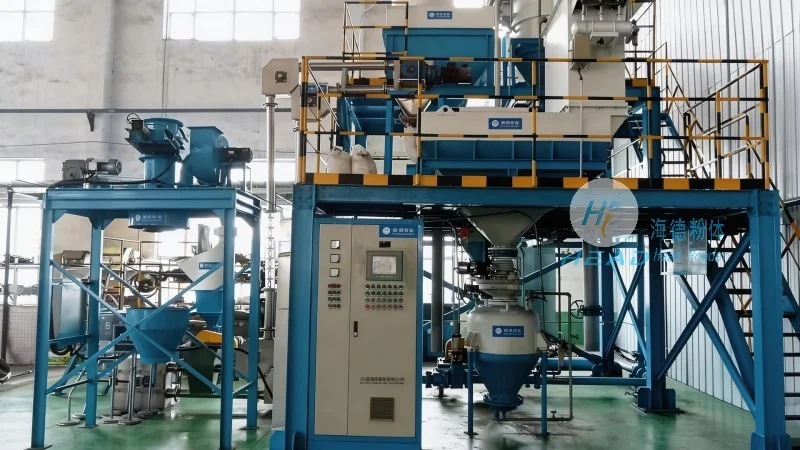
Before delving into pneumatic conveying, it's essential to understand the traditional methods used for iron oxide transport. These methods include gravity flow, mechanical conveyors like belt conveyors, and screw conveyors. Gravity flow systems rely on the material's natural slope to move it from one point to another, which is suitable for short distances and materials with good flow characteristics. However, iron oxide often has varying particle sizes and can be cohesive, making gravity flow less efficient for many applications. Mechanical conveyors, such as belt or screw conveyors, are widely used but may face challenges with abrasive materials like iron oxide, leading to increased wear and maintenance costs. These conventional methods are generally effective for bulk material handling but may not meet the demands of modern industrial processes that require higher throughput and reduced downtime.
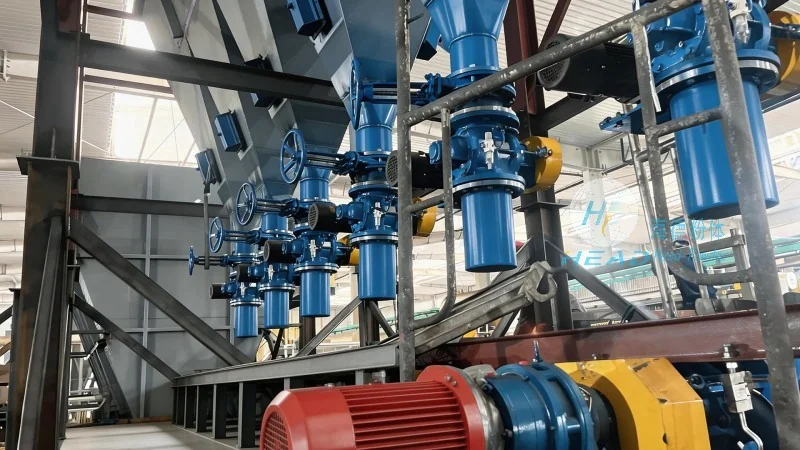
Pneumatic Conveying of Iron Oxide: A Detailed Overview
Pneumatic conveying, also known as air conveying, is a method that uses compressed air to transport solid materials like iron oxide through a pipeline. This technology offers several advantages over traditional methods, including the ability to handle fine powders, reduce material degradation, and provide a closed system that minimizes dust emissions. There are two main types of pneumatic conveying systems: pressure and vacuum. Pressure systems use positive pressure to push the material through the pipeline, while vacuum systems use negative pressure to pull the material. For iron oxide, pressure systems are more commonly used due to their higher capacity and suitability for long-distance transport. The process typically involves a hopper, a feeder, a pipeline, and a receiver. The material is fed into the pipeline via a rotary valve or a star feeder, and compressed air is introduced to create a flow. The air and material mixture travels through the pipeline to the receiver, where the material is separated from the air using a cyclone or a filter. The separated air is then recycled back into the system, reducing energy consumption.
HeadPowder's Pneumatic Conveying Solutions for Iron Oxide
Shandong HeadPowder Engineering Co., Ltd., a leading provider of material handling solutions, specializes in designing and manufacturing pneumatic conveying systems tailored to the needs of iron oxide applications. With years of experience in the industry, HeadPowder understands the unique challenges of handling iron oxide, such as its abrasive nature and varying particle sizes. The company's solutions are engineered to ensure high efficiency, reliability, and minimal maintenance. Key features of HeadPowder's pneumatic conveying systems include robust materials of construction to withstand the abrasive properties of iron oxide, advanced control systems for precise material flow, and energy-efficient designs that reduce operational costs. The systems are customizable to meet specific requirements, including different pipeline configurations, material feed rates, and receiver capacities. HeadPowder's expertise in material handling ensures that their pneumatic conveying solutions are optimized for the unique characteristics of iron oxide, providing customers with a reliable and efficient way to transport their materials.
Advantages of Pneumatic Conveying for Iron Oxide
Compared to other conveying methods, pneumatic conveying offers several benefits for iron oxide transport. One of the primary advantages is the ability to handle fine powders without the need for additional equipment like hoppers or chutes. This reduces the risk of material degradation and ensures consistent quality. Another key benefit is the closed system, which minimizes dust emissions and improves workplace safety. Pneumatic conveying also allows for long-distance transport, making it suitable for applications where the material needs to be moved from a production area to a storage or processing facility. The system's flexibility allows for easy integration with existing processes, and the ability to control the flow rate ensures precise material delivery. Additionally, pneumatic conveying systems are generally more energy-efficient than mechanical conveyors, as they use compressed air to move the material rather than mechanical components. This results in lower operational costs and reduced environmental impact.
Conclusion
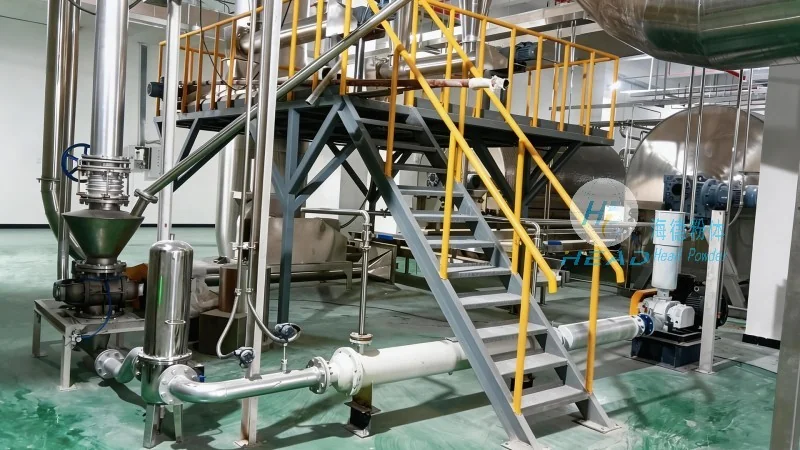
In conclusion, the choice of iron oxide conveying method depends on various factors, including material properties, distance, and operational requirements. While conventional methods like gravity flow and mechanical conveyors have their uses, pneumatic conveying offers significant advantages in terms of efficiency, material integrity, and environmental compliance. Shandong HeadPowder Engineering Co., Ltd. provides advanced pneumatic conveying solutions that are tailored to the needs of iron oxide applications, ensuring high performance and reliability. By leveraging the expertise of HeadPowder, industries can optimize their material handling processes and improve overall productivity.

 Shandong Headpowder Engineering Co., Ltd.
 156-6277-7102(Quản lý Trương)
  0531-83386006
  Thành phố Tế Nam, Tỉnh Sơn Đông, Trung Quốc
Điện thoại
WeChatTư vấn
Lên đầu