Với hơn 10 năm kinh nghiệm về vận chuyển khí nén, Headpowder Sơn Đông cung cấp hệ thống, thiết bị và quạt gió toàn chuỗi, đảm nhận các dự án kỹ thuật bột trọn gói trên toàn quốc.
Chloroprene rubber, also known as neoprene, is a synthetic polymer widely utilized across various industrial sectors due to its exceptional resistance to oil, chemicals, and environmental degradation. When managing chloroprene rubber, selecting an appropriate conveying method is critical for ensuring operational efficiency, material integrity, and safety. Among the available options, pneumatic conveying emerges as a highly effective solution for transporting chloroprene rubber, offering distinct advantages that make it a preferred choice for many applications.
Pneumatic Conveying: A Preferred Method for Chloroprene Rubber Transport
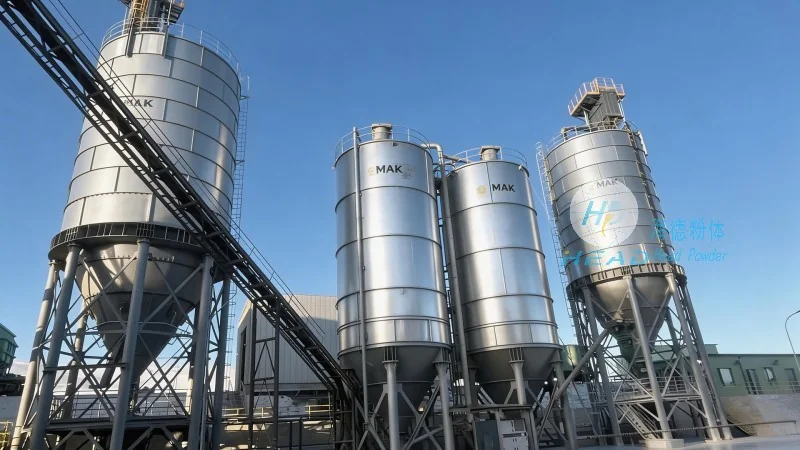
Pneumatic conveying systems employ air or other gases to move bulk materials like chloroprene rubber through a network of pipes. This approach is particularly suitable for chloroprene rubber because it can handle fine powders or granules without causing degradation or contamination. The core components of a pneumatic conveying system typically include a hopper for material storage, a blower or compressor to generate the necessary air pressure, and a pipeline network that directs the material to its destination. The system can operate in either positive or negative pressure modes, depending on the specific requirements of the application.
Key Advantages of Pneumatic Conveying for Chloroprene Rubber
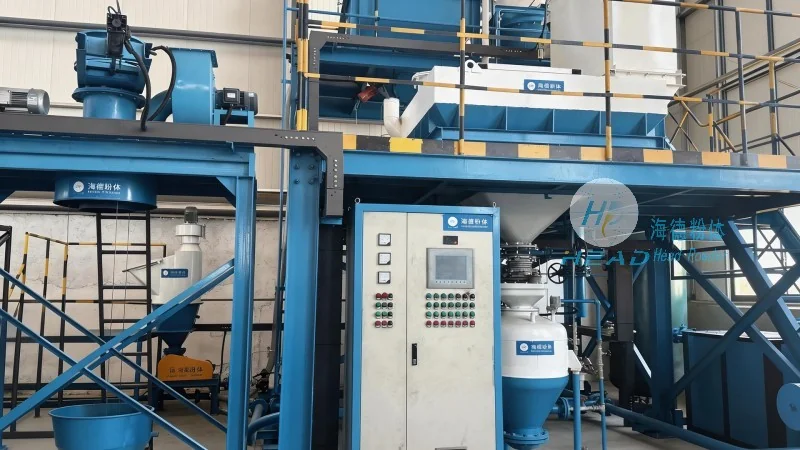
One of the primary advantages of pneumatic conveying for chloroprene rubber is its ability to maintain material purity and prevent cross-contamination. Unlike mechanical systems that may use belts or screws, which can introduce friction and heat, pneumatic systems minimize these risks by using air as the conveying medium. This is especially important for chloroprene rubber, which is sensitive to temperature changes and can degrade if exposed to excessive heat or mechanical stress. Additionally, pneumatic conveying allows for a more flexible and compact layout, as the material can be transported through a network of pipes without the need for large, fixed equipment or extensive floor space.
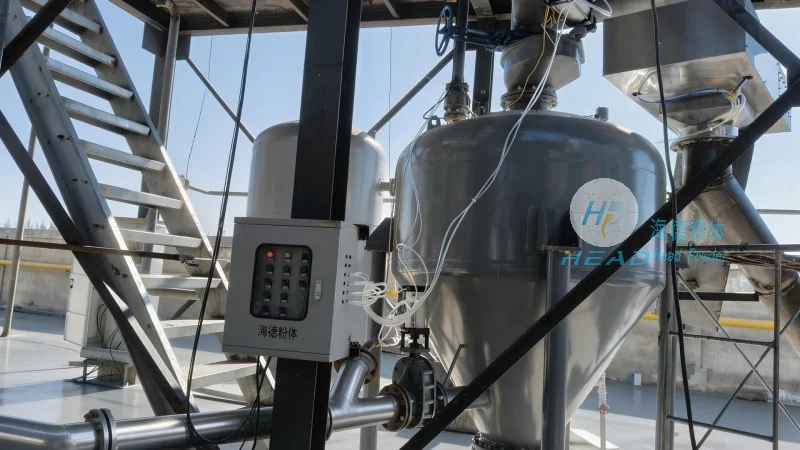
Another significant benefit is the enhanced safety and operational efficiency. Pneumatic systems can be designed to handle hazardous materials like chloroprene rubber, ensuring that the material is contained within the system and reducing the risk of exposure to workers. The automated nature of these systems also minimizes human intervention, leading to lower labor costs and reduced risk of accidents. Furthermore, the ability to control the flow rate and pressure in real-time allows for precise control over the conveying process, ensuring that the material is delivered at the desired speed and quantity.
Features and Considerations for Chloroprene Rubber Pneumatic Conveying
When implementing a pneumatic conveying system for chloroprene rubber, several key features and considerations must be taken into account. First, the material's properties, such as its density, particle size, and moisture content, play a critical role in determining the optimal system design. For example, fine chloroprene rubber powders may require higher air velocities to ensure efficient transport, while larger granules may need a different pipe diameter and pressure setting. The system's capacity and scalability are also important factors, as the conveying requirements may vary depending on the production volume and application.
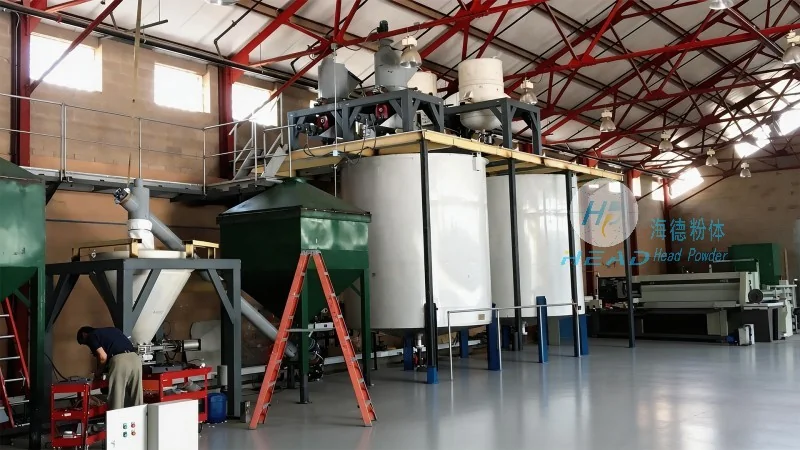
Material handling equipment, such as hoppers and feeders, must be designed to prevent clogging and ensure consistent material flow. The use of appropriate filters and cyclones is essential to maintain air quality and prevent the buildup of dust or debris in the system. Additionally, the system's maintenance requirements should be considered, as regular cleaning and inspection are necessary to ensure long-term performance and prevent system failures. Proper sealing and insulation of the pipes and components are also crucial to prevent material leakage and maintain the integrity of the chloroprene rubber being transported.
Conclusion: Choosing the Right Conveying Solution for Chloroprene Rubber
For industries dealing with chloroprene rubber, pneumatic conveying offers a reliable and efficient solution for material transport. By leveraging the advantages of air-based transport, companies can improve operational efficiency, maintain material quality, and enhance safety. When selecting a pneumatic conveying system, it is essential to consider the specific characteristics of the chloroprene rubber being handled and the operational requirements of the application. With proper system design and maintenance, pneumatic conveying can provide long-term benefits and contribute to the overall success of chloroprene rubber processing operations.

 Shandong Headpowder Engineering Co., Ltd.
 156-6277-7102(Quản lý Trương)
  0531-83386006
  Thành phố Tế Nam, Tỉnh Sơn Đông, Trung Quốc
Điện thoại
WeChatTư vấn
Lên đầu