Với hơn 10 năm kinh nghiệm về vận chuyển khí nén, Headpowder Sơn Đông cung cấp hệ thống, thiết bị và quạt gió toàn chuỗi, đảm nhận các dự án kỹ thuật bột trọn gói trên toàn quốc.
When it comes to transporting gypsum, selecting the right method is crucial for efficiency, safety, and cost-effectiveness. Gypsum, a widely used material in construction and industrial applications, requires specialized handling to ensure optimal performance. Among the various options available, pneumatic conveying stands out as a preferred solution for many industries. This article explores the different gypsum handling methods and highlights the key advantages and features of pneumatic gypsum transport, with a focus on the expertise of Shandong HeadPowder Engineering Co., Ltd., a leading provider in the field.
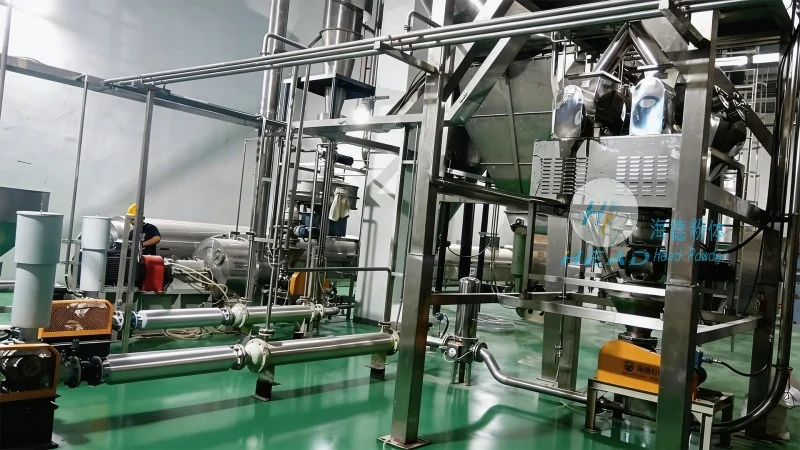
Understanding Gypsum Handling Methods
Gypsum, also known as calcium sulfate dihydrate, is a soft mineral used in the production of drywall, plaster, and other building materials. The primary goal of gypsum handling is to move this material from its source to processing or storage facilities efficiently. Traditional methods include belt conveyors, screw conveyors, and bucket elevators, each with its own set of advantages and limitations. However, these methods may not always be suitable for all applications, especially when dealing with fine powders or in environments where dust control is critical.
Pneumatic Gypsum Conveying: A Modern Solution
Pneumatic conveying, also referred to as air conveying, is a system that uses air pressure or vacuum to transport bulk materials like gypsum through a pipeline. This method offers several benefits over traditional mechanical conveyors. One of the most significant advantages is the ability to handle fine powders without the need for additional equipment like hoppers or chutes. The enclosed system also helps in controlling dust, reducing the risk of contamination and improving workplace safety. Additionally, pneumatic conveyors can transport gypsum over longer distances with minimal maintenance, making them ideal for large-scale operations.
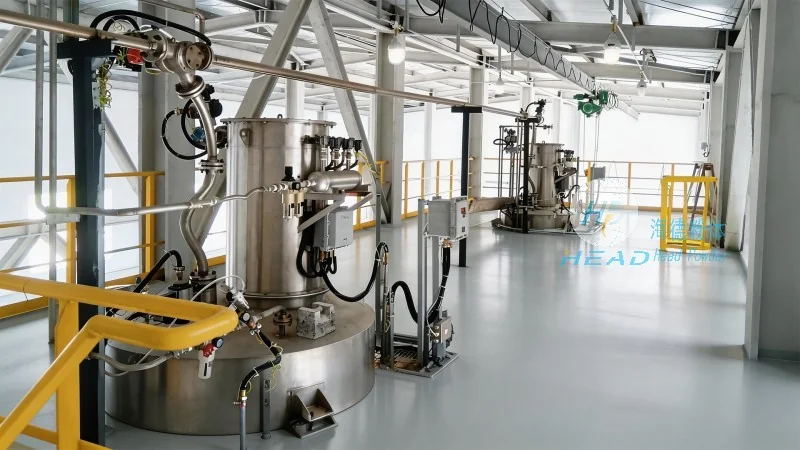
Key Advantages of Pneumatic Gypsum Transport
Shandong HeadPowder Engineering Co., Ltd. specializes in designing and manufacturing pneumatic conveying systems tailored to the specific needs of gypsum handling. The company's expertise lies in creating customized solutions that address the unique challenges of each project. Some of the key advantages of their pneumatic gypsum transport systems include:
1. Efficient Material Transport: Pneumatic conveyors can move gypsum at high speeds, reducing the time and labor required for material handling. This efficiency is particularly valuable in large-scale production facilities where continuous operation is essential.
2. Dust Control and Environmental Compliance: The enclosed nature of pneumatic systems minimizes dust emissions, helping companies meet environmental regulations and maintain a clean working environment. This is especially important in industries where air quality is a concern.
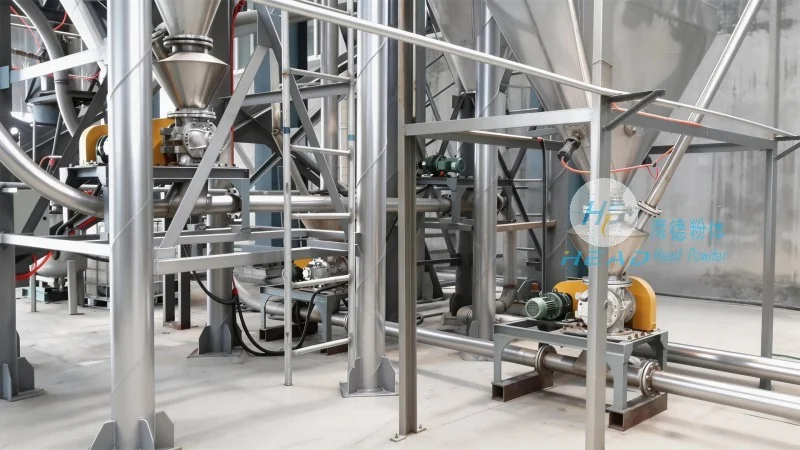
3. Reduced Maintenance and Downtime: Unlike mechanical conveyors that require regular maintenance for moving parts, pneumatic systems have fewer components, leading to lower maintenance costs and less downtime. This reliability ensures consistent production and reduces operational expenses.
4. Flexibility and Scalability: Pneumatic conveying systems can be easily adapted to different production volumes and layouts. Whether a facility is expanding or needs to adjust its workflow, the system can be modified to accommodate changes without significant disruption.
Features of Pneumatic Gypsum Conveying Systems by HeadPowder
Shandong HeadPowder Engineering Co., Ltd. offers a range of features that enhance the performance and reliability of their pneumatic gypsum transport systems. These features include:
1. Customized Design: Each system is designed based on the specific characteristics of the gypsum, such as particle size, moisture content, and bulk density. This ensures optimal performance and minimizes the risk of system failure.
2. Advanced Control Systems: Modern pneumatic conveyors are equipped with sophisticated control systems that monitor pressure, flow, and other parameters in real-time. This allows for precise control and quick response to any changes in the process.
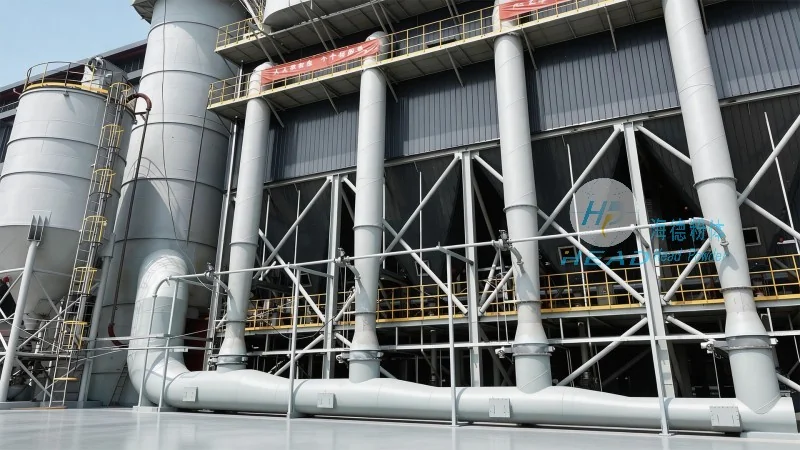
3. Energy Efficiency: The company's systems are engineered to minimize energy consumption, reducing operational costs and environmental impact. This is achieved through efficient air compression and flow management.
4. Robust Construction: The equipment is built with high-quality materials to withstand the demands of continuous operation in industrial environments. This durability ensures long service life and minimal maintenance.
Conclusion
In conclusion, pneumatic conveying represents a superior method for handling gypsum compared to traditional mechanical systems. The advantages of efficiency, dust control, and reduced maintenance make it an attractive option for many industries. Shandong HeadPowder Engineering Co., Ltd. provides comprehensive solutions tailored to the needs of gypsum handling, ensuring that clients receive reliable and effective equipment. By choosing pneumatic gypsum transport, companies can enhance their operational efficiency, improve safety, and comply with environmental regulations. For more information on pneumatic gypsum conveying systems, contact Shandong HeadPowder Engineering Co., Ltd., a trusted name in the industry.

 Shandong Headpowder Engineering Co., Ltd.
 156-6277-7102(Quản lý Trương)
  0531-83386006
  Thành phố Tế Nam, Tỉnh Sơn Đông, Trung Quốc
Điện thoại
WeChatTư vấn
Lên đầu