Với hơn 10 năm kinh nghiệm về vận chuyển khí nén, Headpowder Sơn Đông cung cấp hệ thống, thiết bị và quạt gió toàn chuỗi, đảm nhận các dự án kỹ thuật bột trọn gói trên toàn quốc.
Cloud aluminosilicate, a type of industrial mineral, is widely used in various sectors such as refractory materials, ceramics, and chemical processing. The efficient and reliable transport of this material is crucial for maintaining production efficiency and ensuring product quality. Among the various conveying methods available, pneumatic conveying stands out as a preferred solution for handling cloud aluminosilicate due to its unique advantages and technical features. This overview is presented by Shandong HeadPowder Engineering Co., Ltd., a leading provider of specialized material handling solutions in China.
Understanding Cloud Aluminosilicate and Its Conveying Requirements
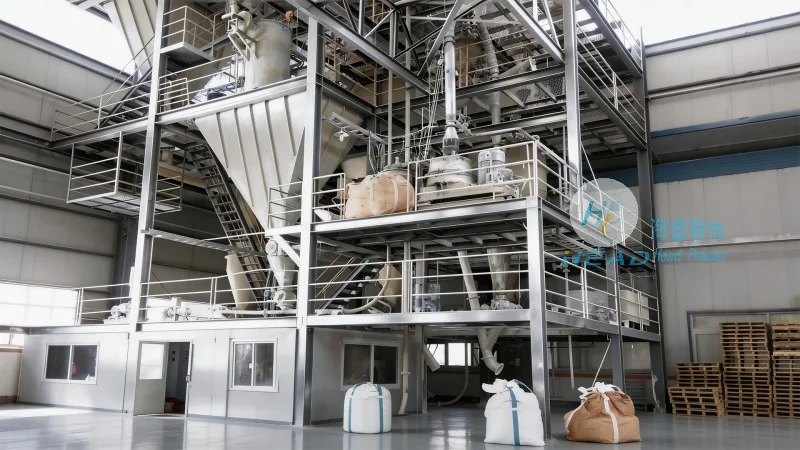
Cloud aluminosilicate, also known as mullite or corundum-based aluminosilicate, is characterized by its high temperature resistance, chemical stability, and fine particle size. These properties make it an essential component in high-temperature applications. However, the fine particle size and abrasive nature of the material pose challenges for traditional bulk material handling methods. Conventional methods like belt conveyors or screw conveyors may suffer from material buildup, blockages, and increased wear and tear, leading to operational inefficiencies and higher maintenance costs. Therefore, specialized conveying systems are required to handle cloud aluminosilicate effectively.
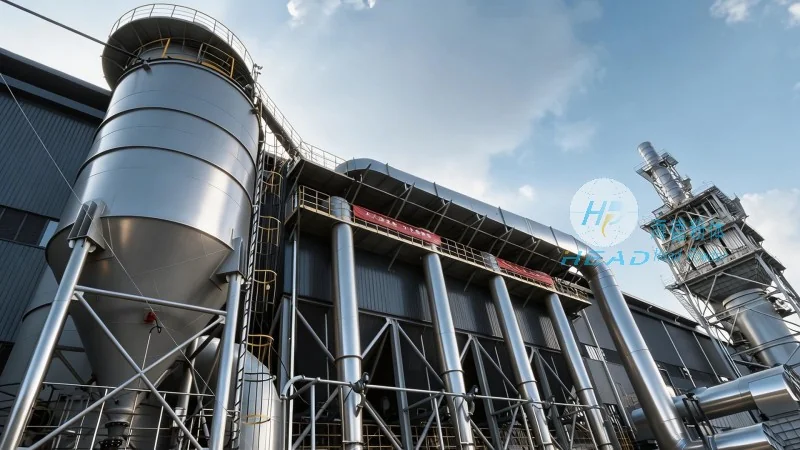
Overview of Conveying Methods for Cloud Aluminosilicate
Several conveying methods are commonly employed for cloud aluminosilicate, including mechanical conveyors, hydraulic systems, and pneumatic systems. Mechanical conveyors, such as belt or screw conveyors, are widely used for bulk material transport but may not be suitable for fine, abrasive materials like cloud aluminosilicate due to the risk of clogging and increased friction. Hydraulic conveying systems, while effective for certain applications, require specialized equipment and may not be as flexible in handling varying particle sizes. In contrast, pneumatic conveying offers a versatile and efficient solution for transporting cloud aluminosilicate over long distances and in complex layouts.
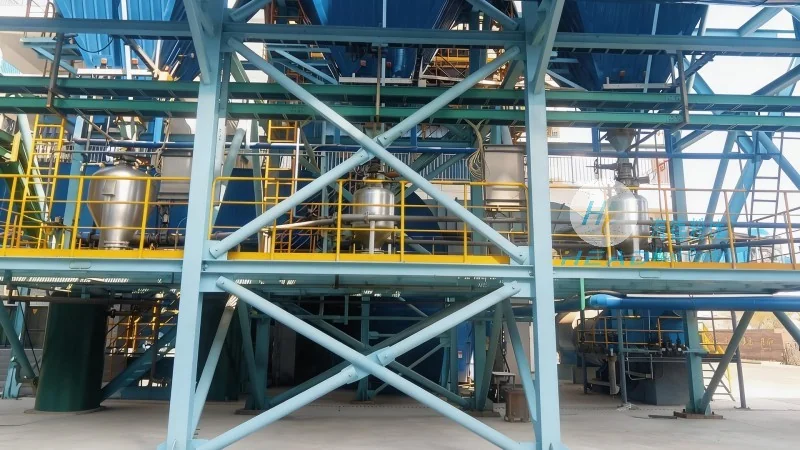
Pneumatic Conveying: The Preferred Method for Cloud Aluminosilicate Transport
Pneumatic conveying utilizes compressed air or other gases to transport bulk materials through a pipeline system. This method is particularly advantageous for cloud aluminosilicate due to several key features. First, it provides a completely enclosed system, which helps prevent dust emissions and ensures a clean working environment. This is critical for maintaining product purity and compliance with environmental regulations. Second, pneumatic conveying allows for the transport of fine particles without the risk of clogging, as the material is suspended in the air stream. This ensures consistent flow rates and reduces the likelihood of material blockages in the conveying line.
Another significant advantage of pneumatic conveying is its ability to handle varying particle sizes and densities. Cloud aluminosilicate often contains a mix of fine and coarse particles, and pneumatic systems can accommodate these variations without the need for additional processing steps. This flexibility makes it an ideal choice for applications where the material composition may change over time. Furthermore, pneumatic conveying systems can be easily integrated with other processing equipment, such as storage silos and mixing units, creating a seamless material flow from extraction to final use.

 Shandong Headpowder Engineering Co., Ltd.
 156-6277-7102(Quản lý Trương)
  0531-83386006
  Thành phố Tế Nam, Tỉnh Sơn Đông, Trung Quốc
Điện thoại
WeChatTư vấn
Lên đầu