Với hơn 10 năm kinh nghiệm về vận chuyển khí nén, Headpowder Sơn Đông cung cấp hệ thống, thiết bị và quạt gió toàn chuỗi, đảm nhận các dự án kỹ thuật bột trọn gói trên toàn quốc.
When it comes to transporting polyethylene, selecting the right conveying method is crucial for efficiency, safety, and cost-effectiveness. Polyethylene, a widely used thermoplastic, is often handled in bulk quantities, making the choice of a suitable conveying system critical for industrial operations. This article explores the various polyethylene conveying methods, with a particular focus on the advantages and features of pneumatic conveying—a popular and effective approach for moving polyethylene materials.
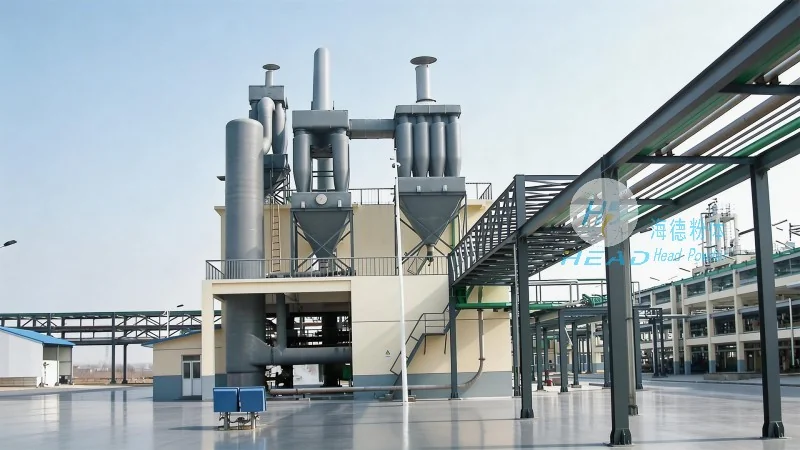
Polyethylene Conveying Methods Overview
Polyethylene can be transported using several methods, each with its own set of applications and benefits. The primary methods include mechanical conveying (such as belt conveyors, screw conveyors), pneumatic conveying, and hydraulic conveying. Among these, pneumatic conveying has gained significant traction due to its ability to handle fine powders and granules efficiently. Mechanical conveyors are often used for larger, bulkier materials but may struggle with polyethylene's fine or irregular shapes. Hydraulic systems, while effective for some applications, are less common in polyethylene handling due to the material's non-porous nature and potential for clogging.
Pneumatic Conveying: The Preferred Solution for Polyethylene
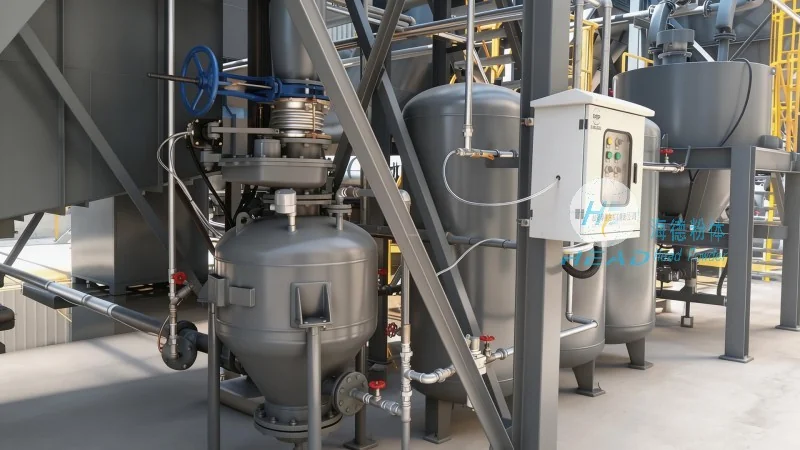
Pneumatic conveying, also known as air conveying, involves the use of compressed air to move polyethylene particles through a pipeline. This method is particularly advantageous for polyethylene because it can handle both powders and granules without the need for mechanical contact, reducing wear and tear on the material. The key components of a pneumatic conveying system include a blower or compressor, a hopper for material storage, a pipeline network, and a receiver for the delivered material. The system operates by creating a pressure differential, which propels the polyethylene particles through the pipeline. There are two main types of pneumatic conveying: pressure and vacuum. Pressure systems use compressed air to push material from the hopper to the receiver, while vacuum systems use a vacuum to pull material from the source to the destination. For polyethylene, pressure systems are often preferred as they can handle higher material loads and are more suitable for long-distance transport.
Advantages of Pneumatic Conveying for Polyethylene
Implementing pneumatic conveying for polyethylene offers several key advantages that make it a preferred choice for many industries. First, it provides a dust-free and clean environment, which is essential for maintaining product quality and preventing contamination. Unlike mechanical conveyors, which can generate dust and cause respiratory issues, pneumatic systems keep the material enclosed, ensuring a safer working environment. Second, pneumatic conveying is highly efficient in terms of speed and throughput. The compressed air can move polyethylene particles quickly and in large quantities, reducing downtime and increasing production rates. This efficiency is particularly valuable in high-volume manufacturing settings where time is a critical factor. Third, pneumatic systems are flexible and can be easily integrated into existing production lines. They can be adjusted to handle different particle sizes and flow rates, making them adaptable to various production needs. Additionally, pneumatic conveying reduces the risk of material degradation. Since the polyethylene particles are not subjected to mechanical friction or impact, their properties remain intact, ensuring consistent product quality. This is especially important for applications where the polyethylene's molecular structure or surface characteristics are critical, such as in the production of plastic films or packaging materials.
Key Features of Pneumatic Conveying Systems for Polyethylene
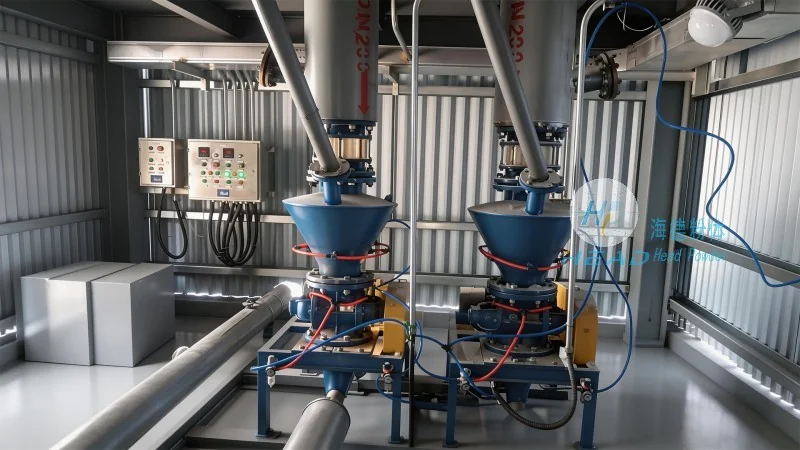
Modern pneumatic conveying systems for polyethylene are equipped with several features that enhance their performance and reliability. One of the most important features is the use of specialized hoppers and feeders. These components ensure a consistent flow of polyethylene into the pipeline, preventing blockages and maintaining steady operation. The hoppers are often designed with a conical shape to facilitate material discharge and minimize the risk of agglomeration. Feeders, such as rotary valves or star feeders, control the rate of material release, allowing for precise control over the conveying rate. Another critical feature is the blower or compressor used to generate the air pressure. High-efficiency blowers are preferred as they provide the necessary pressure while minimizing energy consumption. This is important for reducing operational costs and improving the system's overall efficiency. The pipeline network is also designed with polyethylene compatibility in mind. Materials like stainless steel or special coatings are used to prevent corrosion and ensure the longevity of the system. Additionally, the system includes monitoring and control devices that allow operators to track the conveying process in real-time. Sensors can monitor pressure, flow rate, and material level, providing alerts if any issues arise. This monitoring capability helps in maintaining optimal performance and preventing potential failures.
Application Examples in Polyethylene Processing
Pneumatic conveying is widely used in various stages of polyethylene processing. In the manufacturing of polyethylene pellets, for example, pneumatic systems are used to transport the raw material from storage silos to the extrusion lines. This ensures a continuous and efficient supply of material, which is essential for maintaining production rates. In the production of plastic films, pneumatic conveying is used to move the finished product from the extrusion line to the winding and packaging equipment. This method helps in maintaining the film's integrity and preventing damage during transport. Additionally, pneumatic systems are used in recycling facilities to transport polyethylene waste from collection points to processing plants. This is particularly important as it allows for the efficient handling of large volumes of recycled material, contributing to sustainable practices. The versatility of pneumatic conveying makes it suitable for a wide range of applications, from small-scale operations to large industrial plants.

 Shandong Headpowder Engineering Co., Ltd.
 156-6277-7102(Quản lý Trương)
  0531-83386006
  Thành phố Tế Nam, Tỉnh Sơn Đông, Trung Quốc
Điện thoại
WeChatTư vấn
Lên đầu