Với hơn 10 năm kinh nghiệm về vận chuyển khí nén, Headpowder Sơn Đông cung cấp hệ thống, thiết bị và quạt gió toàn chuỗi, đảm nhận các dự án kỹ thuật bột trọn gói trên toàn quốc.
Phosphates are essential chemical compounds widely used in various industries, including agriculture, food processing, and chemical manufacturing. The efficient and safe transportation of phosphates is crucial for industrial operations, as it directly impacts production efficiency and product quality. Among the various methods available for phosphate transport, pneumatic conveying stands out as a highly effective and versatile solution. This article provides an overview of the different phosphate transport methods and focuses on the advantages and characteristics of phosphate pneumatic conveying, highlighting its benefits for industrial applications. The information presented here is based on the expertise of Shandong HeadPowder Engineering Co., Ltd., a leading provider of phosphate processing and conveying solutions based in China.
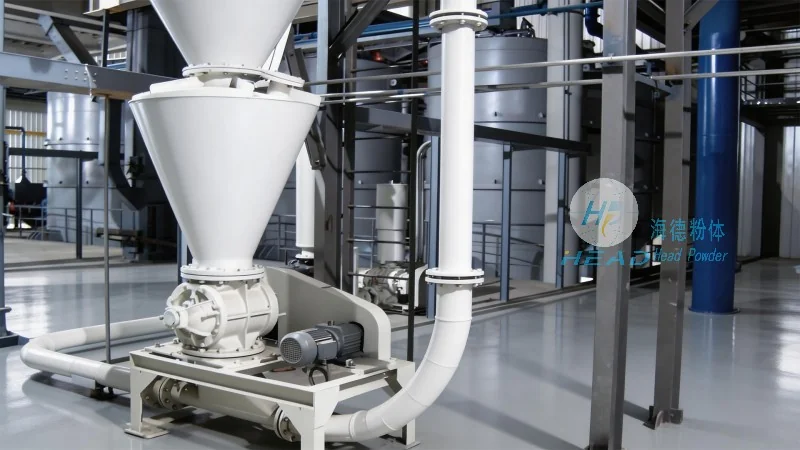
Understanding Phosphate Transport Methods
Phosphate transport involves moving phosphate materials from one location to another within a processing facility or between different sites. Traditional methods such as belt conveyors, screw conveyors, and bucket elevators have been widely used for many years. However, these methods have limitations, particularly when dealing with fine powders or abrasive materials. Pneumatic conveying offers a more advanced approach that addresses many of these challenges.
Introduction to Phosphate Pneumatic Conveying
Phosphate pneumatic conveying is a technology that uses compressed air or other gases to transport phosphate powders and granules through a pipeline system. The process involves feeding the phosphate material into a hopper, where it is then drawn into the pipeline by the air flow. The air and material mixture travels through the pipeline to the destination point, where the material is separated from the air and collected. This method is particularly suitable for transporting phosphate in bulk quantities, as it can handle high volumes with minimal maintenance and operational costs.
Advantages of Phosphate Pneumatic Conveying
One of the primary advantages of phosphate pneumatic conveying is its ability to handle fine and abrasive materials without causing wear and tear on equipment. Unlike mechanical conveyors, which can be damaged by abrasive particles, pneumatic systems are designed to withstand such conditions, ensuring long-term reliability and reduced downtime. Additionally, pneumatic conveying offers better control over the material flow, allowing for precise dosing and consistent product quality. This is particularly important in applications where uniformity is critical, such as in food processing or pharmaceutical manufacturing.
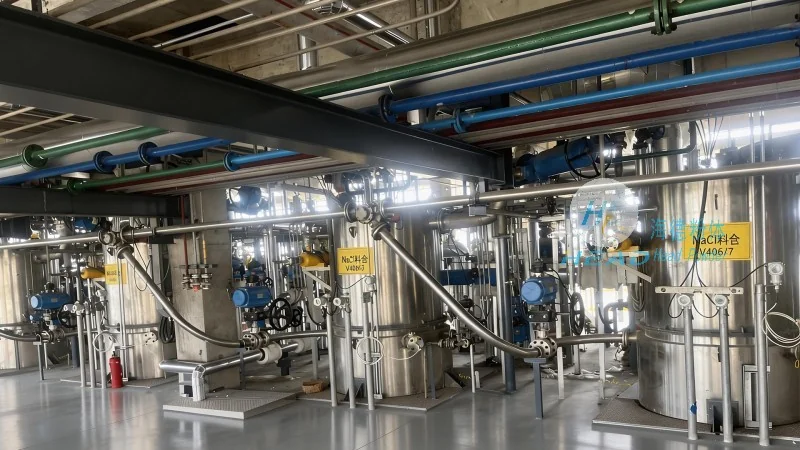
Key Features of Phosphate Pneumatic Conveying Systems
Phosphate pneumatic conveying systems typically consist of several components, including a hopper, a feeder, a pipeline network, and a receiver. The hopper stores the phosphate material and provides a controlled feed to the system. The feeder ensures a consistent flow of material into the pipeline, preventing blockages and maintaining system efficiency. The pipeline network transports the material from the source to the destination, with appropriate bends and fittings to ensure smooth flow. The receiver collects the material at the end of the pipeline, separating it from the air and preparing it for further processing or storage.
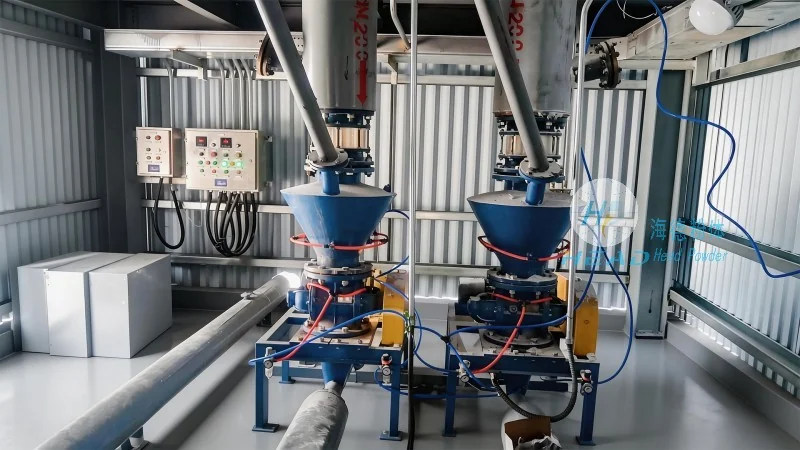
Applications of Phosphate Pneumatic Conveying
Phosphate pneumatic conveying is widely used in various industries due to its versatility and efficiency. In the agricultural sector, it is used to transport phosphate fertilizers from storage facilities to application sites, ensuring timely and uniform distribution. In the food industry, it is employed to transport phosphate-based food additives, such as phosphates used in baking or as preservatives, from production lines to packaging areas. In the chemical industry, it is used to transport phosphate chemicals for manufacturing processes, such as the production of detergents or industrial cleaners. The ability to handle different types of phosphate materials, including powders and granules, makes pneumatic conveying a preferred choice for many applications.
Benefits for Industrial Operations
Implementing phosphate pneumatic conveying systems offers several benefits for industrial operations. First, it improves production efficiency by reducing downtime and maintenance costs. The system's ability to handle high volumes and maintain consistent flow minimizes disruptions in the production process. Second, it enhances product quality by ensuring uniform material distribution and preventing contamination. The precise control over the material flow allows for better quality control, which is essential for meeting regulatory standards and customer expectations. Third, it reduces labor costs by automating the material transport process, eliminating the need for manual handling and reducing the risk of workplace accidents.
Conclusion
Phosphate pneumatic conveying is a highly effective and versatile method for transporting phosphate materials in industrial applications. Its advantages, including the ability to handle fine and abrasive materials, precise control over flow, and reduced maintenance costs, make it a preferred choice for many industries. As the demand for efficient and reliable phosphate transport solutions continues to grow, pneumatic conveying technology will remain a key component in industrial operations. For businesses looking to improve their phosphate transport processes, pneumatic conveying offers a cost-effective and efficient solution that can enhance productivity and product quality.

 Shandong Headpowder Engineering Co., Ltd.
 156-6277-7102(Quản lý Trương)
  0531-83386006
  Thành phố Tế Nam, Tỉnh Sơn Đông, Trung Quốc
Điện thoại
WeChatTư vấn
Lên đầu