Với hơn 10 năm kinh nghiệm về vận chuyển khí nén, Headpowder Sơn Đông cung cấp hệ thống, thiết bị và quạt gió toàn chuỗi, đảm nhận các dự án kỹ thuật bột trọn gói trên toàn quốc.
When it comes to transporting powdered materials, selecting the right method is crucial for efficiency, safety, and product integrity. Powder conveying systems are essential in industries such as food processing, pharmaceuticals, and chemical manufacturing. Among the various options available, pneumatic powder conveying stands out as a versatile and effective solution. This article explores different powder conveying methods and highlights the key advantages and features of pneumatic powder conveying, with a focus on the expertise of Shandong HeadPowder Engineering Co., Ltd., a leading provider in the field.
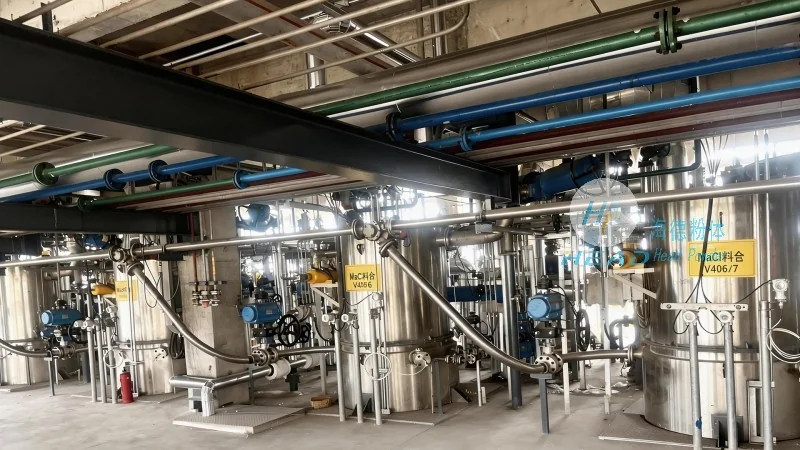
About Shandong HeadPowder Engineering Co., Ltd.
Shandong HeadPowder Engineering Co., Ltd., operating under the brand name HeadPowder, is a professional manufacturer and supplier specializing in powder handling equipment. With a strong presence in China, particularly in Shandong province, the company has built a reputation for delivering high-quality, reliable solutions tailored to the unique needs of its clients. HeadPowder's commitment to innovation and customer satisfaction has positioned it as a trusted partner in the powder conveying industry.
Common Powder Conveying Methods
Powder conveying can be broadly categorized into two main types: mechanical and pneumatic. Mechanical conveying systems, such as screw conveyors and belt conveyors, rely on physical force to move materials. While these methods are suitable for certain applications, they often face limitations in terms of material handling capacity, flexibility, and the ability to handle fine powders without degradation. In contrast, pneumatic conveying systems use air or other gases to transport powders, offering greater versatility and efficiency.
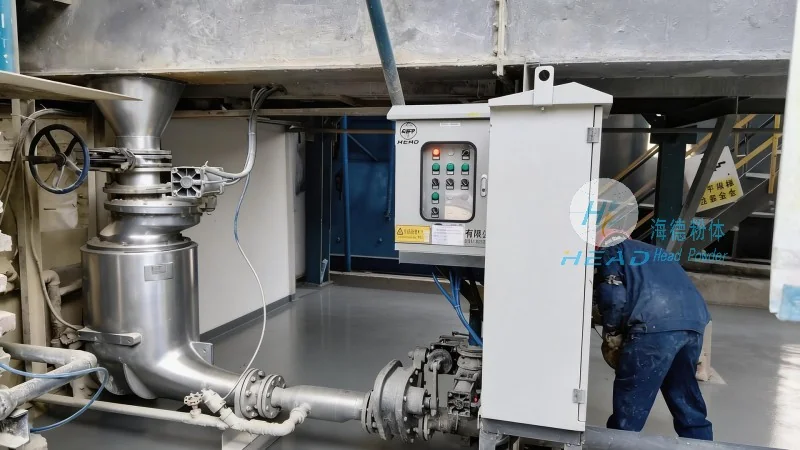
Advantages of Pneumatic Powder Conveying
Pneumatic powder conveying offers several key advantages that make it a preferred choice for many industries. Firstly, it provides a clean and hygienic method of transporting powders, which is particularly important in food and pharmaceutical applications where contamination control is critical. The enclosed system prevents dust from escaping into the environment, reducing health risks and maintaining compliance with regulatory standards. Secondly, pneumatic conveying allows for high-speed and continuous operation, enabling efficient material transfer over long distances. This is especially beneficial in large-scale production facilities where throughput is a priority. Additionally, pneumatic systems are flexible and can be easily integrated with existing production lines, adapting to changes in production requirements without major modifications.
Key Features of Pneumatic Powder Conveying
HeadPowder's pneumatic powder conveying systems are designed with several distinctive features that enhance performance and reliability. One of the primary features is the use of positive pressure or negative pressure systems, depending on the specific application and material characteristics. Positive pressure systems, where air is forced through the conveying line, are ideal for handling fine powders and preventing blockages. Negative pressure systems, on the other hand, are suitable for applications requiring dust collection and filtration. The company's systems also incorporate advanced control technologies, such as variable frequency drives (VFDs), which allow for precise control of air flow and pressure, optimizing energy consumption and ensuring consistent material transfer. Furthermore, HeadPowder's designs emphasize durability and low maintenance, with robust components that can withstand the rigors of continuous operation in industrial environments.
Applications of Pneumatic Powder Conveying
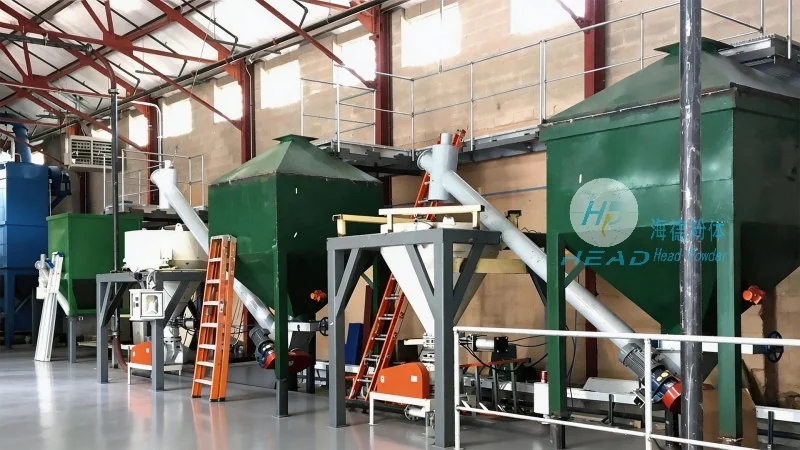
The versatility of pneumatic powder conveying makes it suitable for a wide range of applications. In the food industry, it is commonly used for transporting ingredients like flour, sugar, and milk powder, ensuring that products remain fresh and free from contamination. In the pharmaceutical sector, pneumatic systems are employed to handle active pharmaceutical ingredients (APIs) and other sensitive powders, maintaining strict quality control standards. Chemical manufacturers also benefit from pneumatic conveying for handling various powders, including catalysts and pigments, while minimizing the risk of dust explosions and ensuring safe operation. HeadPowder's solutions are tailored to meet the specific requirements of each application, ensuring optimal performance and compliance with industry regulations.
Conclusion
Pneumatic powder conveying is a highly effective and efficient method for transporting powdered materials, offering numerous advantages over traditional mechanical systems. With its ability to provide a clean, flexible, and reliable solution, it has become a preferred choice in many industries. Shandong HeadPowder Engineering Co., Ltd. continues to lead the way in the development and manufacturing of advanced pneumatic powder conveying systems, providing customized solutions that meet the evolving needs of its clients. By leveraging the company's expertise and innovative technology, businesses can enhance their operational efficiency and maintain the highest standards of product quality and safety.

 Shandong Headpowder Engineering Co., Ltd.
 156-6277-7102(Quản lý Trương)
  0531-83386006
  Thành phố Tế Nam, Tỉnh Sơn Đông, Trung Quốc
Điện thoại
WeChatTư vấn
Lên đầu