Với hơn 10 năm kinh nghiệm về vận chuyển khí nén, Headpowder Sơn Đông cung cấp hệ thống, thiết bị và quạt gió toàn chuỗi, đảm nhận các dự án kỹ thuật bột trọn gói trên toàn quốc.
Magnesium silicate, a versatile industrial material widely used in various sectors such as construction, agriculture, and chemical manufacturing, requires efficient and reliable conveying systems to move it from storage to processing units. The choice of conveying method significantly impacts operational efficiency, safety, and cost-effectiveness. This article provides a comprehensive comparison of common magnesium silicate conveying methods, highlighting their advantages and disadvantages to help industrial professionals make informed decisions.
Overview of Conveying Methods for Magnesium Silicate
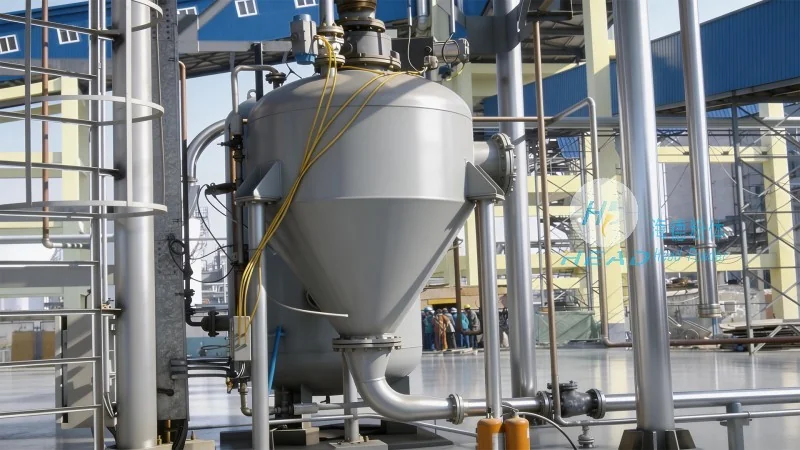
Several methods are commonly employed for handling magnesium silicate, each with distinct characteristics suited to different operational requirements. The primary options include screw conveyors, pneumatic (air) conveying systems, belt conveyors, and bucket elevators. Each method has its own set of benefits and limitations, which are discussed in detail below.
Advantages and Disadvantages of Screw Conveyors
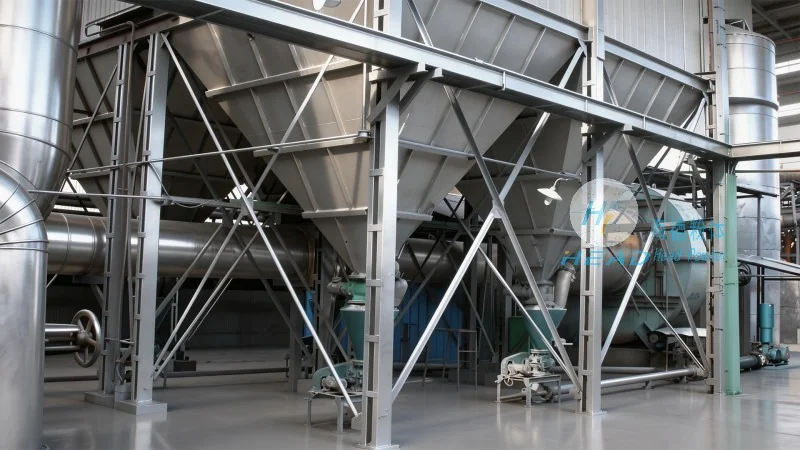
Screw conveyors, also known as auger conveyors, are among the most widely used equipment for transporting bulk materials like magnesium silicate. These systems consist of a rotating helical screw inside a trough or tube, which moves material forward through the mechanism. One of the key advantages of screw conveyors is their ability to handle a wide range of particle sizes and moisture content, making them suitable for various applications. They are also relatively simple in design, requiring minimal maintenance and offering good sealing capabilities to prevent dust emissions. However, screw conveyors have limitations, particularly with cohesive or sticky materials, as they can experience blockages or reduced efficiency. Additionally, their capacity is limited by the screw diameter and speed, which may not be sufficient for high-volume operations.
Analysis of Pneumatic Conveying Systems
Pneumatic conveying systems use air or other gases to transport magnesium silicate particles through a pipeline. These systems are particularly effective for long-distance or high-rise applications, as they can move material vertically and horizontally with minimal space requirements. A major advantage of pneumatic conveying is its ability to maintain a closed system, which significantly reduces dust pollution and improves workplace safety. The system also allows for precise control over material flow rates and can handle fine powders without degradation. However, pneumatic conveying is energy-intensive, as it requires powerful blowers to generate sufficient air pressure. This can increase operational costs, especially for continuous high-volume operations. Furthermore, the system may not be suitable for very coarse or abrasive materials, as they can cause wear and tear on the pipeline and components.
Comparison of Belt Conveyors for Magnesium Silicate Handling
Belt conveyors are commonly used for bulk material handling, including magnesium silicate, due to their high capacity and ability to transport materials over long distances. These systems consist of a continuous belt that moves over rollers or pulleys, carrying the material from one point to another. A significant advantage of belt conveyors is their ability to handle large volumes of material efficiently, making them ideal for high-throughput operations. They are also relatively low-maintenance and can be easily integrated into existing production lines. However, belt conveyors require a significant amount of floor space, which may be a constraint in compact facilities. Additionally, they are susceptible to damage from heavy or sharp materials, which can lead to belt wear or breakage. Dust control is also a concern, as open systems may release dust into the environment unless proper enclosures are used.
Choosing the Right Conveying Method for Your Application
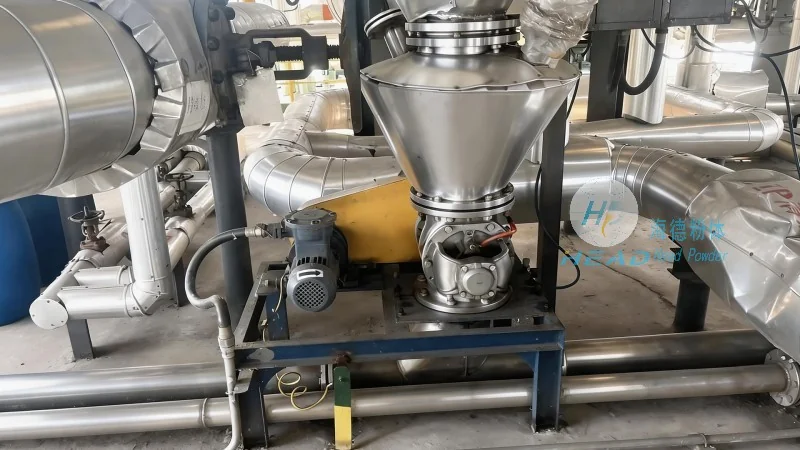
The selection of the most appropriate magnesium silicate conveying method depends on several factors, including the material's physical properties, the required conveying distance, the desired capacity, and environmental considerations. For example, if the material is fine and dusty, a closed pneumatic system may be preferred to minimize dust emissions. Conversely, if the material is coarse and sticky, a screw conveyor or belt conveyor might be more suitable due to their ability to handle such characteristics. The operational budget and available space are also critical factors. In many cases, a combination of methods may be used, such as using a screw conveyor to feed a pneumatic system for final transport. It is essential to evaluate each option based on specific project requirements to ensure optimal performance and cost-effectiveness.
About HeadPowder: Your Partner in Material Handling Solutions
HeadPowder, a leading manufacturer of industrial material handling equipment, specializes in providing tailored solutions for magnesium silicate and other bulk materials. With years of experience and a commitment to quality, HeadPowder offers a range of conveying systems designed to meet the diverse needs of industrial applications. The company's products are engineered to ensure reliability, efficiency, and safety, helping clients optimize their material handling processes. HeadPowder's team of experts provides comprehensive support, from system design and installation to maintenance and troubleshooting. Based in Shandong, China, HeadPowder leverages local manufacturing capabilities to deliver high-quality equipment at competitive prices. Whether you need a screw conveyor, pneumatic system, or belt conveyor, HeadPowder is dedicated to delivering solutions that enhance productivity and reduce operational costs. Contact HeadPowder today to learn more about how their expertise can benefit your magnesium silicate conveying needs.

 Shandong Headpowder Engineering Co., Ltd.
 156-6277-7102(Quản lý Trương)
  0531-83386006
  Thành phố Tế Nam, Tỉnh Sơn Đông, Trung Quốc
Điện thoại
WeChatTư vấn
Lên đầu