Với hơn 10 năm kinh nghiệm về vận chuyển khí nén, Headpowder Sơn Đông cung cấp hệ thống, thiết bị và quạt gió toàn chuỗi, đảm nhận các dự án kỹ thuật bột trọn gói trên toàn quốc.
When it comes to the efficient and reliable transportation of aluminum sulfate, selecting the right delivery method is crucial for industrial processes. Aluminum sulfate, commonly used in water treatment, paper manufacturing, and other applications, requires careful handling to maintain its quality and effectiveness. This article provides a detailed comparison of common aluminum sulfate delivery methods, examining their advantages and disadvantages to help industrial operators make informed decisions. As a leading supplier of industrial chemicals, Shandong HeadPowder Engineering Co., Ltd. understands the importance of choosing the right delivery method to optimize operational efficiency and product quality.
Introduction to Aluminum Sulfate Delivery
Aluminum sulfate, also known as alum, is a widely used chemical compound with a high density and hygroscopic properties. Its delivery requires specialized equipment and methods to ensure safety, efficiency, and product integrity. The choice of delivery method depends on factors such as the volume of material, the distance to be transported, the required flow rate, and the specific application requirements. Understanding the pros and cons of each method is essential for optimizing operational costs and performance.
1. Pumping Systems: The Most Common Delivery Method
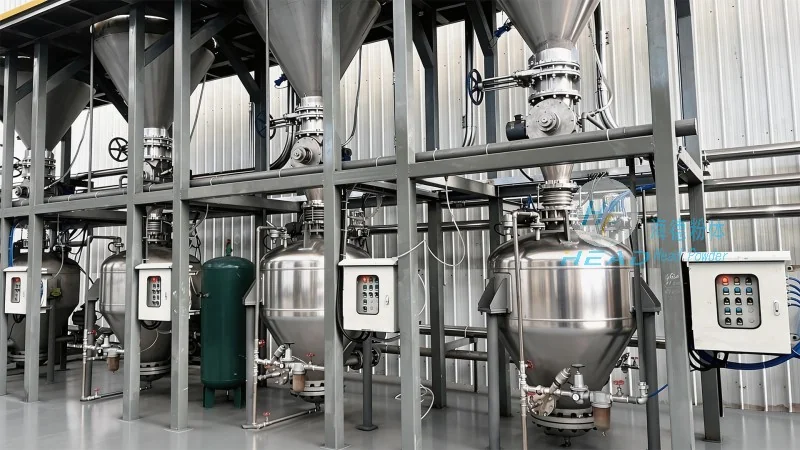
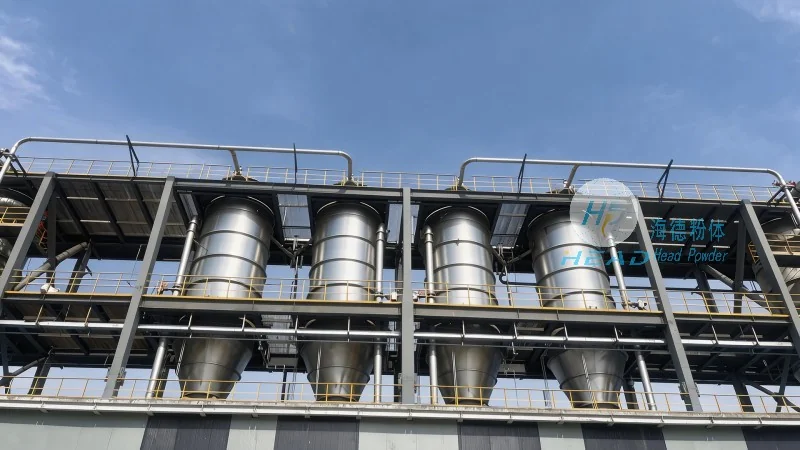
Pumping systems are the most prevalent method for aluminum sulfate delivery, especially for large-scale industrial applications. These systems utilize centrifugal or positive displacement pumps to move the material through pipelines. The primary advantage of pumping is its ability to maintain a consistent flow rate, even over long distances or through complex piping networks. This ensures a steady supply of aluminum sulfate to processing units, minimizing downtime and improving process control. Additionally, pumping allows for the integration of flow meters and control valves, enabling precise dosage and monitoring of the chemical.
However, pumping systems also have several drawbacks. The initial investment in high-quality pumps and associated equipment can be significant, making them less suitable for small-scale operations. Maintenance costs are another consideration, as pumps require regular servicing to prevent wear and tear, especially when handling abrasive or corrosive materials like aluminum sulfate. Moreover, if the pump is not properly sized or maintained, it can lead to clogging or pressure issues, potentially damaging the system or reducing the material's effectiveness.
2. Gravity Flow: Cost-Effective for Short Distances
Gravity flow, or gravity-fed delivery, is a cost-effective method for transporting aluminum sulfate over short distances, typically within a facility or between adjacent processing units. This method relies on the natural force of gravity to move the material from a higher elevation to a lower one, eliminating the need for mechanical pumps. The primary advantage of gravity flow is its low operational cost, as it requires minimal energy input and has no moving parts that need maintenance. This makes it an ideal choice for small to medium-sized operations where the distance between the storage and processing areas is short and the flow rate is manageable.
Despite its cost-effectiveness, gravity flow has several limitations. The most significant drawback is its dependence on the vertical distance between the storage and processing points. If the elevation difference is insufficient, the material may not flow at an acceptable rate, leading to bottlenecks or incomplete delivery. Additionally, gravity flow is not suitable for long-distance transportation, as the material would need to be elevated again to reach the destination, defeating the purpose of the method. Furthermore, the system requires a sloped pipeline, which can be challenging to install and maintain, especially in confined spaces or when dealing with uneven terrain.

 Shandong Headpowder Engineering Co., Ltd.
 156-6277-7102(Quản lý Trương)
  0531-83386006
  Thành phố Tế Nam, Tỉnh Sơn Đông, Trung Quốc
Điện thoại
WeChatTư vấn
Lên đầu