Với hơn 10 năm kinh nghiệm về vận chuyển khí nén, Headpowder Sơn Đông cung cấp hệ thống, thiết bị và quạt gió toàn chuỗi, đảm nhận các dự án kỹ thuật bột trọn gói trên toàn quốc.
For agricultural and feed production operations, the efficient and reliable transport of corn feed is a critical aspect of daily operations. Proper conveying systems not only enhance productivity but also ensure the quality and safety of the feed being handled. In this context, understanding the various methods and technologies available for corn feed conveyance is essential for optimizing processes and meeting operational demands. This article provides a detailed comparison of common corn feed conveying methods, highlighting their characteristics, applications, and suitability for different feed production environments.
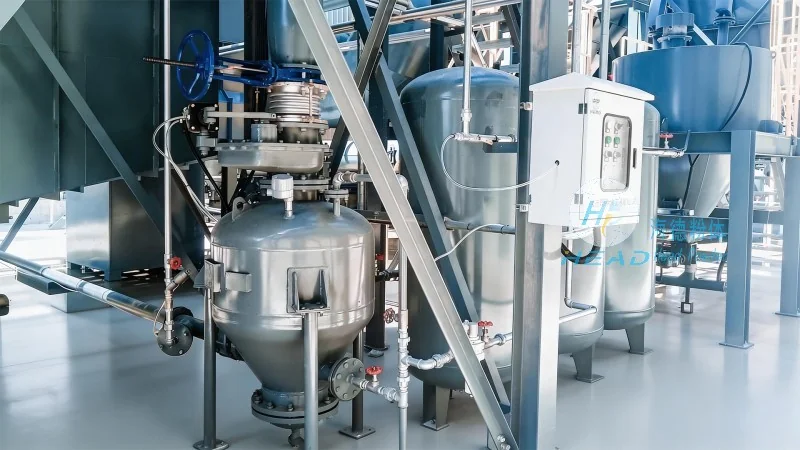
Screw Conveyor: A Traditional and Versatile Option
One of the most widely used methods for corn feed conveying is the screw conveyor, also known as an auger conveyor. This system operates by rotating a helical screw within a trough, which moves material along the length of the conveyor. Screw conveyors are particularly effective for handling bulk materials like corn, as they can transport feed from storage silos or processing units to feeding areas with minimal spillage and dust generation. The design of screw conveyors allows for vertical and horizontal transport, making them adaptable to various layout configurations in feed mills. They are often preferred for their simplicity, low maintenance requirements, and ability to handle a wide range of feed types, including wet or dry corn products. However, screw conveyors may have limitations in terms of capacity for very large volumes or when dealing with highly abrasive feed materials, as the screw and trough can experience wear over time. Overall, screw conveyors remain a reliable choice for many corn feed conveying applications, especially in smaller to medium-sized feed production facilities.
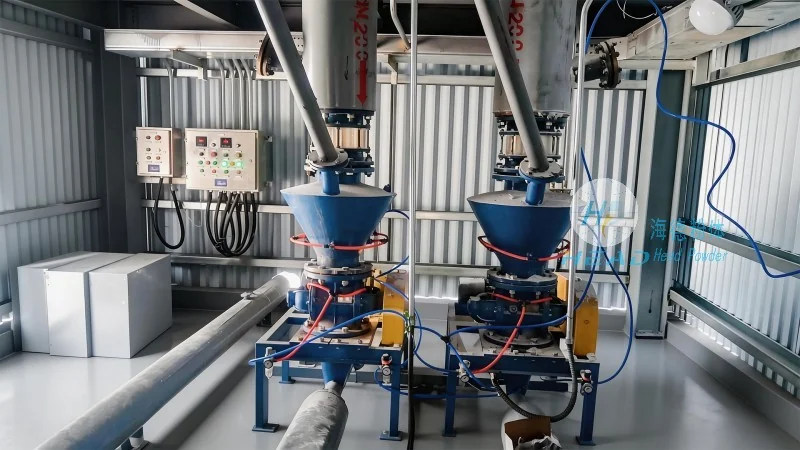
Pneumatic Conveying: High-Speed and Flexible Transport
Another prominent method for corn feed conveying is pneumatic conveying, which utilizes air pressure to move material through a pipeline system. This technology offers high-speed transport capabilities and can handle both dry and slightly moist corn feed, making it suitable for long-distance or complex route conveyance. Pneumatic conveyors can be categorized into pressure and vacuum systems, each with distinct advantages. Pressure systems, where air is blown into the pipeline, are ideal for short to medium distances and can transport feed at high velocities, reducing the risk of material degradation. Vacuum systems, on the other hand, are better suited for longer distances or when material needs to be collected from multiple points. Pneumatic conveying systems are particularly beneficial for applications requiring minimal product contact with equipment, as the feed is enclosed within the pipeline, preventing contamination. However, these systems may require more energy compared to mechanical conveyors and can be more complex to install and maintain, especially for large-scale operations. They are often employed in feed mills where space is limited or where the feed needs to be transported over significant distances without the need for multiple transfer points.
Bucket Elevator: Vertical Transport Efficiency
Bucket elevators are specialized equipment designed for vertical transport of corn feed, often used in feed production lines where material needs to be lifted from ground level to elevated storage or processing areas. This system consists of a continuous belt or chain with attached buckets that scoop material from a hopper and lift it to the top of the elevator, where it is discharged into a discharge chute. Bucket elevators are highly efficient for vertical conveying, capable of moving large volumes of corn feed at high speeds with minimal energy consumption. They are particularly effective for handling free-flowing materials like dry corn, as the buckets can maintain a consistent flow without the need for additional feeding mechanisms. The enclosed design of bucket elevators also helps in controlling dust and preventing material loss during transport. However, bucket elevators may have limitations when dealing with sticky or abrasive feed materials, as the buckets and conveyor components can experience increased wear. They are commonly used in feed mills where vertical transport is necessary, such as moving corn from ground storage to silos or processing units.
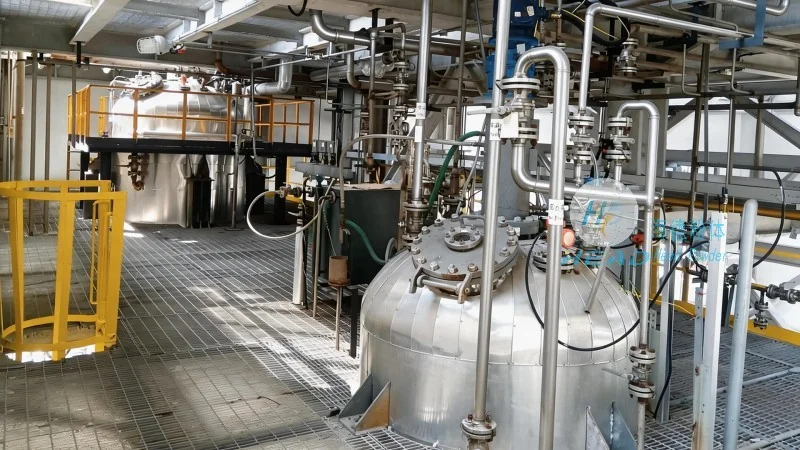
Choosing the Right Conveying Method for Your Operation
When selecting a corn feed conveying method, several factors should be considered, including the volume of feed to be transported, the distance and layout of the feed mill, the type of corn feed (dry, moist, or mixed), and the available space and budget. The choice between screw conveyors, pneumatic conveyors, and bucket elevators depends on these operational requirements and the specific characteristics of the feed material. For example, if the feed mill has limited horizontal space and requires vertical transport, a bucket elevator may be the most suitable option. Conversely, if the feed needs to be transported over long distances with minimal contact with equipment, a pneumatic conveying system might be preferred. Screw conveyors, due to their simplicity and versatility, are often the go-to choice for smaller operations or when handling a variety of feed types. It is also important to consider the maintenance and operational costs associated with each system, as these can impact the long-term efficiency and profitability of the feed production process. By carefully evaluating these factors and understanding the strengths and limitations of each conveying method, feed mill operators can make informed decisions to optimize their corn feed handling processes.
About Shandong HeadPowder Engineering Co., Ltd.
Shandong HeadPowder Engineering Co., Ltd. is a leading manufacturer and supplier of advanced conveying equipment for the agricultural and feed processing industry. With a focus on innovation and quality, the company specializes in designing and producing customized conveying solutions tailored to the specific needs of feed mills and agricultural operations. HeadPowder's product line includes screw conveyors, pneumatic conveying systems, bucket elevators, and other related equipment, all engineered to meet the highest standards of performance, durability, and reliability. The company's commitment to customer satisfaction and technical excellence has made it a trusted partner for feed producers worldwide, helping them enhance operational efficiency and ensure the quality of their feed products. With its headquarters in Shandong, China, HeadPowder leverages local expertise and resources to deliver cutting-edge solutions that address the evolving challenges in the feed industry. Whether for small-scale or large-scale feed production, HeadPowder provides reliable and efficient conveying equipment that meets the demands of modern agricultural operations.

 Shandong Headpowder Engineering Co., Ltd.
 156-6277-7102(Quản lý Trương)
  0531-83386006
  Thành phố Tế Nam, Tỉnh Sơn Đông, Trung Quốc
Điện thoại
WeChatTư vấn
Lên đầu