Với hơn 10 năm kinh nghiệm về vận chuyển khí nén, Headpowder Sơn Đông cung cấp hệ thống, thiết bị và quạt gió toàn chuỗi, đảm nhận các dự án kỹ thuật bột trọn gói trên toàn quốc.
HeadPowder Engineering, a leading provider of industrial conveying solutions, specializes in optimizing material handling processes for various industries. With a focus on efficiency and reliability, the company offers a range of conveying systems tailored to the unique needs of polyethylene (PE) materials. This article provides a detailed comparison of common polyethylene conveying methods, highlighting their applications, advantages, and suitability for different operational environments.
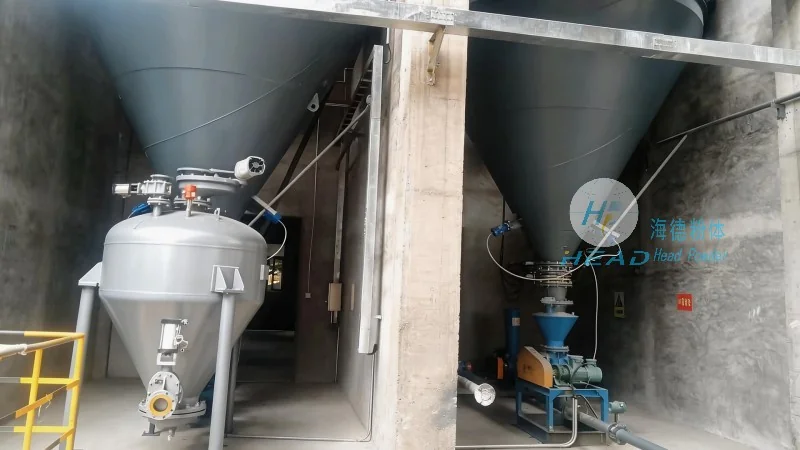
Understanding Polyethylene Conveying Requirements
Polyethylene, a versatile thermoplastic widely used in packaging, construction, and manufacturing, presents specific challenges during material handling. Its lightweight, flexible nature, and potential for dust generation require specialized conveying equipment to ensure safe, efficient transport. The choice of conveying method depends on factors such as material density, flow characteristics, environmental conditions, and production scale. HeadPowder Engineering’s expertise lies in matching the right conveying technology to these requirements, ensuring optimal performance and minimal downtime.
1. Screw Conveyors (Auger Conveyors)
Screw conveyors, also known as auger conveyors, are among the most common and versatile systems for transporting polyethylene. These devices consist of a rotating helical screw inside a U-shaped or cylindrical trough. As the screw rotates, it pushes material forward, making them ideal for vertical and horizontal transport. Screw conveyors excel in handling free-flowing, non-abrasive polyethylene powders or granules. They are particularly effective in applications where space is limited, as they can be installed in compact areas. HeadPowder Engineering’s screw conveyors are designed with durable materials, such as stainless steel or high-grade carbon steel, to withstand the abrasiveness of polyethylene and ensure long-term reliability. The company’s systems also feature adjustable speed controls, allowing operators to optimize conveying rates based on production demands.
2. Belt Conveyors
Belt conveyors are another widely used method for polyethylene transport, particularly in bulk material handling operations. These systems utilize a continuous belt, typically made of rubber or synthetic materials, that moves over rollers or idlers. The belt is driven by a motor, and material is placed on the belt at one end, where it is transported to the discharge point. Belt conveyors are highly efficient for transporting large volumes of polyethylene, making them suitable for applications such as loading and unloading trucks, feeding processing equipment, or transporting finished products. HeadPowder Engineering’s belt conveyor systems are designed with heavy-duty belts and robust frame structures to handle the weight and abrasiveness of polyethylene. The company offers customizable options, including variable speed drives and adjustable incline angles, to accommodate different material flow rates and operational needs. These systems are also equipped with safety features, such as emergency stop buttons and overload protection, ensuring safe and reliable operation.
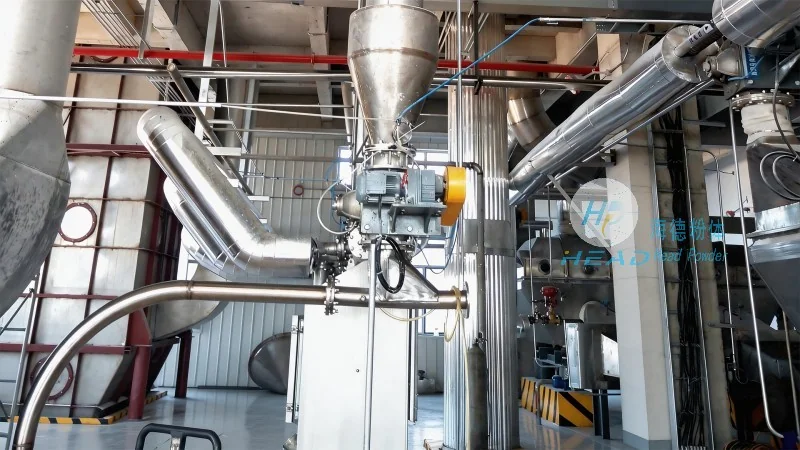
3. Pneumatic Conveying Systems
Pneumatic conveying systems use air or gas to transport polyethylene materials, making them ideal for applications where dust control and contamination prevention are critical. These systems consist of a series of pipes, airlocks, and control valves that create a pressure differential to move material. There are two main types of pneumatic conveying: pressure and vacuum systems. Pressure systems use compressed air to push material through the pipeline, while vacuum systems use suction to draw material into the system. Pneumatic conveying is particularly effective for transporting fine polyethylene powders or granules over long distances, as it minimizes material degradation and reduces the risk of spillage. HeadPowder Engineering’s pneumatic conveying systems are designed with high-efficiency airlocks and filtration systems to ensure clean and efficient material transport. The company’s systems are also equipped with advanced control technology, allowing for precise regulation of air pressure and flow rates. This ensures consistent material delivery and reduces energy consumption.
4. Bucket Elevators
Bucket elevators are vertical conveying systems that use a series of buckets attached to a chain or belt to transport polyethylene materials. The buckets are filled at the bottom of the elevator and travel upward, discharging material at the top. Bucket elevators are ideal for vertical transport of polyethylene, especially in applications where space is limited and a vertical lift is required. They are commonly used in industries such as food processing, chemical manufacturing, and plastics production. HeadPowder Engineering’s bucket elevators are designed with durable buckets made of stainless steel or polyethylene to withstand the abrasiveness of the material. The company’s systems feature adjustable speed controls and safety mechanisms, such as overload sensors and emergency stop buttons, to ensure safe and reliable operation. These elevators are also equipped with dust collection systems to minimize airborne particles and maintain a clean working environment.
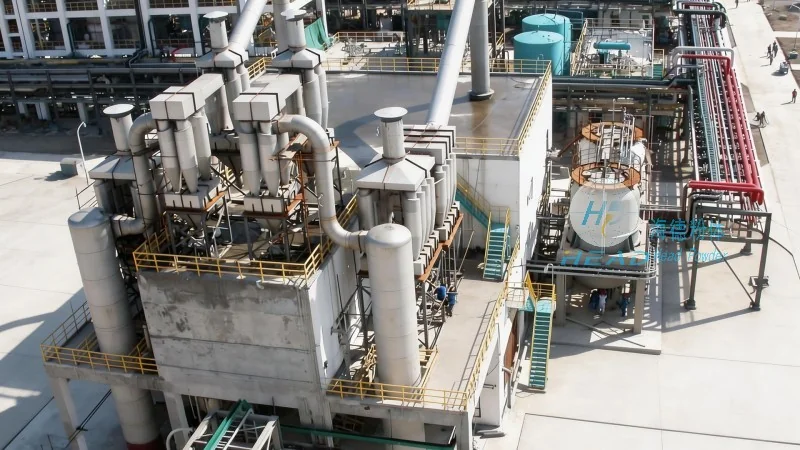
5. Vibrating Conveyors
Vibrating conveyors use vibrations to move polyethylene materials along a trough or conveyor bed. These systems consist of a conveyor bed supported by springs or vibration motors, which create a sinusoidal motion. The motion causes the material to move forward, making them suitable for transporting bulk polyethylene materials. Vibrating conveyors are particularly effective for handling sticky or cohesive polyethylene, as the vibration helps break up agglomerates and ensures smooth flow. HeadPowder Engineering’s vibrating conveyor systems are designed with adjustable vibration frequencies and amplitudes, allowing operators to optimize the conveying rate based on material characteristics. The company’s systems feature robust construction, with materials such as stainless steel or wear-resistant coatings, to withstand the abrasiveness of polyethylene and ensure long-term durability. These conveyors are also equipped with safety features, such as emergency stop switches and overload protection, ensuring safe and reliable operation.
Choosing the Right Conveying Method for Polyethylene
When selecting a conveying method for polyethylene, it is essential to consider several factors to ensure optimal performance and efficiency. The first step is to evaluate the material’s properties, such as density, flowability, and abrasiveness. For example, free-flowing granules may be best suited for screw or belt conveyors, while fine powders may require pneumatic conveying. The second factor is the operational environment, including space constraints, vertical or horizontal transport needs, and safety requirements. HeadPowder Engineering provides comprehensive consultation services to help clients assess their specific needs and choose the most appropriate conveying system. The company’s experts consider factors such as production volume, material handling speed, and maintenance requirements to recommend the best solution. By working with HeadPowder Engineering, clients can ensure that their polyethylene conveying system is tailored to their unique requirements, maximizing efficiency and minimizing operational costs.
Conclusion
HeadPowder Engineering offers a range of high-quality conveying systems designed to meet the diverse needs of polyethylene material handling. Whether using screw conveyors, belt conveyors, pneumatic systems, bucket elevators, or vibrating conveyors, the company’s solutions are engineered for reliability, efficiency, and durability. With a focus on customer satisfaction and technical expertise, HeadPowder Engineering helps businesses optimize their material handling processes, ensuring smooth operations and reduced downtime. For more information on polyethylene conveying solutions, contact HeadPowder Engineering, located in Shandong, China.

 Shandong Headpowder Engineering Co., Ltd.
 156-6277-7102(Quản lý Trương)
  0531-83386006
  Thành phố Tế Nam, Tỉnh Sơn Đông, Trung Quốc
Điện thoại
WeChatTư vấn
Lên đầu