Với hơn 10 năm kinh nghiệm về vận chuyển khí nén, Headpowder Sơn Đông cung cấp hệ thống, thiết bị và quạt gió toàn chuỗi, đảm nhận các dự án kỹ thuật bột trọn gói trên toàn quốc.
When it comes to the transportation of magnesium hydroxide, there are several effective methods that can be employed to ensure safe and efficient handling. These methods are crucial for industries that rely on magnesium hydroxide as a key raw material or additive. The choice of method often depends on factors such as the scale of operation, the physical properties of the magnesium hydroxide, and the specific requirements of the end-use application.
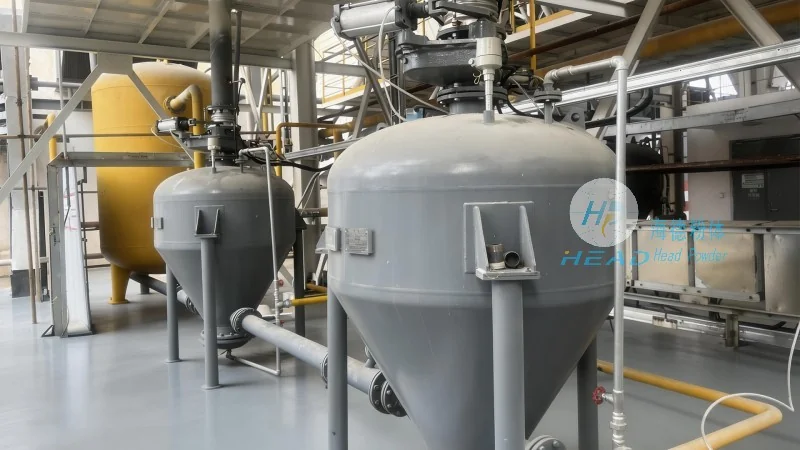
Common Transportation Methods for Magnesium Hydroxide
There are primarily two main categories of transportation methods for magnesium hydroxide: bulk handling and packaged transport. Each method has its own advantages and is suitable for different scenarios. Bulk handling is typically used for large-scale industrial applications where the material is used in high volumes, while packaged transport is more common for smaller quantities or when the material needs to be delivered to specific locations.
Bulk Handling Methods
Bulk handling of magnesium hydroxide involves transporting the material in large quantities, often in bulk containers or directly from the production site to the end-user. One common method is the use of bulk trucks or railcars. These vehicles are designed to carry large volumes of powder or granular materials and are equipped with specialized systems to prevent dust and ensure stable transport. For example, some bulk trucks may use a hopper or a pneumatic conveying system to load and unload the magnesium hydroxide, minimizing the risk of spillage and contamination. Railcars, on the other hand, are ideal for long-distance transportation, especially when the material needs to be moved across regions or countries. They can carry significantly larger quantities compared to trucks and are often more cost-effective for bulk shipments.
Packaged Transport Methods
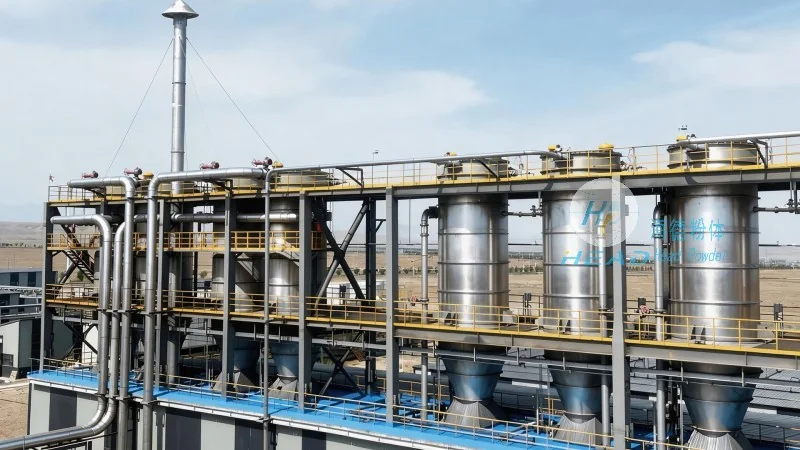
Packaged transport involves shipping magnesium hydroxide in smaller, manageable units such as bags, drums, or containers. This method is particularly useful for applications where the material is used in smaller batches or when it needs to be delivered to specific locations that may not have the infrastructure for bulk handling. One common packaging option is the use of multi-wall paper bags or plastic-lined bags. These bags are designed to be lightweight yet durable, providing protection against moisture and physical damage during transit. They are often used in industries such as construction, agriculture, and pharmaceuticals, where magnesium hydroxide is used as a filler, stabilizer, or additive. Another option is the use of metal drums or plastic containers, which are more suitable for liquids or pastes, although magnesium hydroxide is typically a solid. However, in some cases, it may be processed into a slurry or paste form for easier handling and transport.
Specialized Equipment and Techniques
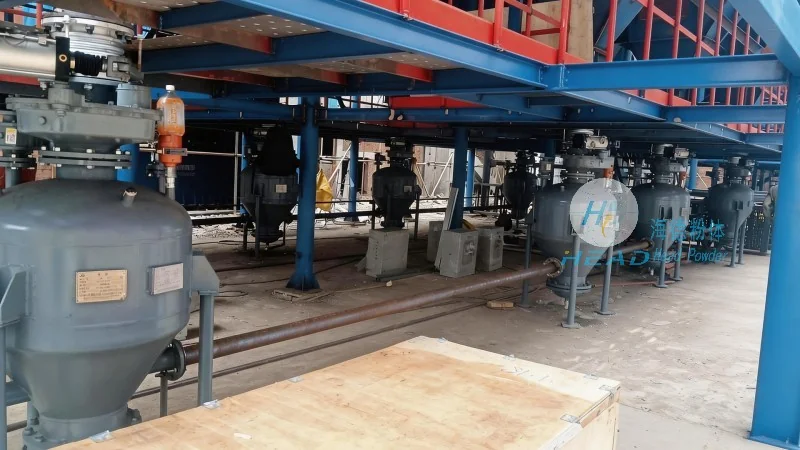
In addition to the standard bulk and packaged transport methods, there are specialized equipment and techniques that can enhance the safety and efficiency of magnesium hydroxide transportation. For instance, pneumatic conveying systems use air pressure to move the powder through pipes, reducing the need for manual handling and minimizing dust exposure. This method is particularly effective for transporting magnesium hydroxide in industrial settings where large volumes need to be moved over short distances. Another technique is the use of vacuum loading and unloading systems, which can help in transferring the material from storage silos to transport vehicles without the need for manual labor. These systems are often used in combination with bulk trucks or railcars to ensure a smooth and efficient transfer process.
Considerations for Safe Transportation
Regardless of the method chosen, safety is a paramount concern when transporting magnesium hydroxide. The material is generally non-toxic but can cause respiratory issues if inhaled in large quantities. Therefore, it is essential to use appropriate personal protective equipment (PPE) such as masks and gloves during handling and transportation. Additionally, proper ventilation and dust control measures should be in place to minimize the risk of inhalation. The packaging used should also be designed to prevent leaks and spills, as magnesium hydroxide can be difficult to clean up once it has come into contact with surfaces. Proper labeling and documentation of the material are also important to ensure compliance with transportation regulations and to provide clear information to handlers and end-users.
Conclusion
In conclusion, the transportation of magnesium hydroxide can be effectively managed through various methods, including bulk handling and packaged transport, along with specialized equipment and techniques. The choice of method depends on the specific needs of the industry and the scale of operation. By selecting the appropriate transportation method and following safety guidelines, industries can ensure the safe and efficient delivery of magnesium hydroxide to their end-use applications. As a leading supplier of magnesium hydroxide, Shandong HeadPowder Engineering Co., Ltd. (headpowder) offers a range of transportation solutions tailored to meet the diverse needs of its clients. With our expertise and commitment to quality, we ensure that magnesium hydroxide is transported safely and efficiently to meet the demands of various industries.

 Shandong Headpowder Engineering Co., Ltd.
 156-6277-7102(Quản lý Trương)
  0531-83386006
  Thành phố Tế Nam, Tỉnh Sơn Đông, Trung Quốc
Điện thoại
WeChatTư vấn
Lên đầu