Với hơn 10 năm kinh nghiệm về vận chuyển khí nén, Headpowder Sơn Đông cung cấp hệ thống, thiết bị và quạt gió toàn chuỗi, đảm nhận các dự án kỹ thuật bột trọn gói trên toàn quốc.
When it comes to the efficient and reliable transportation of metal iron powder, selecting the appropriate conveying method is crucial for industrial processes. The choice of method depends on factors such as the powder's characteristics, the required throughput, and the operational environment. Shandong HeadPowder Engineering Co., Ltd., a leading manufacturer based in Shandong, China, offers expertise in various conveying solutions tailored to meet diverse industrial needs.
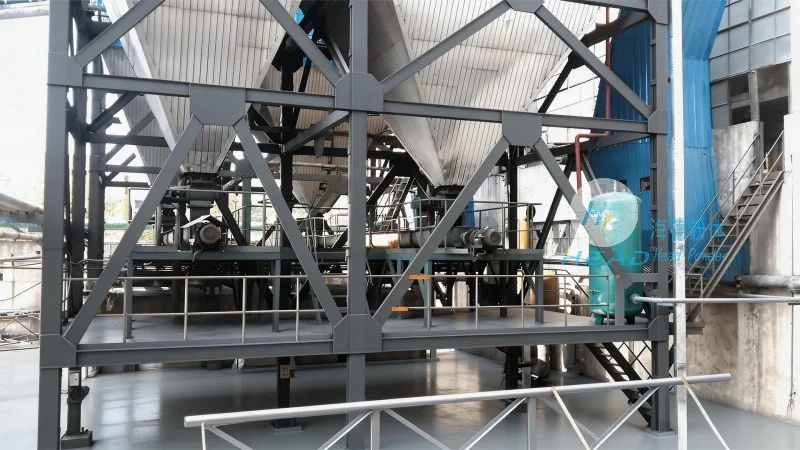
1. Pneumatic Conveying Systems
Pneumatic conveying is a widely used method for metal iron powder transport due to its ability to handle fine powders without the need for mechanical components that might cause contamination or degradation. This system utilizes compressed air to move the powder through a pipeline. There are two main types: pressure and vacuum systems. Pressure systems are suitable for short to medium distances and high flow rates, while vacuum systems are ideal for longer distances or when the powder needs to be collected from multiple sources. The choice between these depends on the specific application requirements. For instance, in metal powder handling, pressure systems are often preferred for their efficiency in moving large quantities quickly. The equipment typically includes a hopper, a rotary valve, and a pipeline with appropriate fittings. The compressed air is introduced at the discharge end, creating a flow that pulls the powder along. This method ensures minimal product degradation and is easy to integrate into existing production lines.
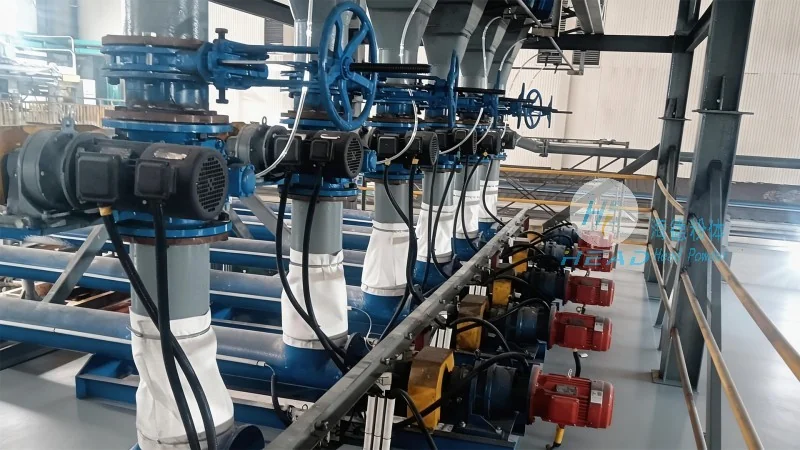
2. Screw Conveyors
Screw conveyors, also known as auger conveyors, are another effective method for metal iron powder conveying. These systems consist of a rotating screw inside a trough or tube, which moves the powder along the length of the conveyor. Screw conveyors are particularly suitable for horizontal or slightly inclined transport and can handle a wide range of powder types, including metal powders. They are often used in applications where the powder needs to be elevated or moved over short to medium distances. The design of the screw and the trough can be customized to accommodate different powder characteristics, such as particle size and moisture content. For metal iron powder, the screw is usually made of materials resistant to corrosion and wear, such as stainless steel or high-grade steel. This ensures durability and prevents contamination. Screw conveyors are also relatively simple to operate and maintain, making them a cost-effective solution for many industrial settings. They can be integrated with other equipment, such as mixers or storage silos, to form a complete material handling system.
3. Belt Conveyors
Belt conveyors are commonly used for the bulk transport of metal iron powder, especially in applications requiring long-distance or high-volume movement. These systems use a continuous belt that moves over rollers or pulleys to transport the powder. The belt is typically made of durable materials like rubber or synthetic fabrics, which can withstand the abrasive nature of metal powders. The design of the conveyor can be customized to handle different loads and speeds, making it suitable for various industrial processes. Belt conveyors are efficient in moving large quantities of powder over long distances with minimal energy consumption. They are often used in combination with other equipment, such as feeders or hoppers, to control the flow rate and ensure consistent delivery. The smooth operation of belt conveyors also reduces the risk of product degradation and contamination. For metal iron powder, the belt material is chosen to prevent sticking and ensure easy release of the powder. This method is particularly effective in environments where the powder needs to be transported from one processing stage to another, such as from a grinding machine to a storage silo.
4. Bucket Elevators
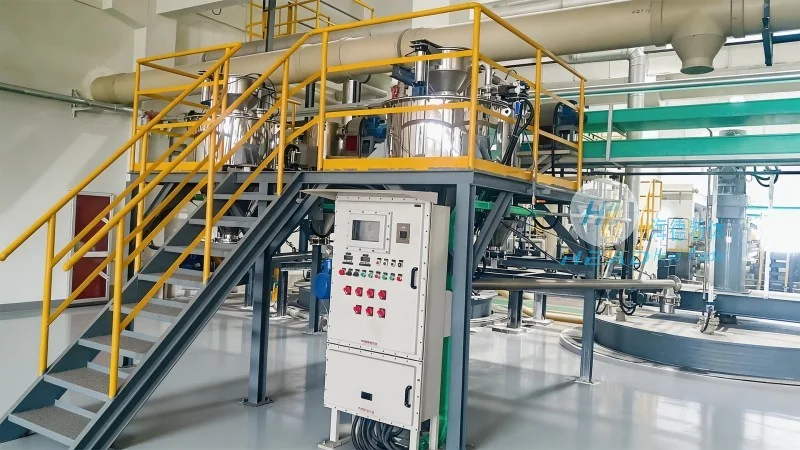
Bucket elevators are a specialized type of conveyor used for vertical or inclined transport of metal iron powder. These systems consist of a series of buckets attached to a chain or belt, which moves vertically or at an angle. The buckets are filled with the powder at the bottom and then travel up the conveyor, discharging the material at the top. Bucket elevators are ideal for applications where the powder needs to be elevated to a significant height or moved over a steep incline. They are commonly used in industries such as mining, chemical processing, and metal powder manufacturing. The design of the bucket elevator can be customized to handle different powder characteristics, such as particle size and moisture content. For metal iron powder, the buckets are made of materials resistant to wear and corrosion, such as stainless steel or high-grade plastic. This ensures durability and prevents contamination. Bucket elevators are also capable of handling large volumes of powder with high efficiency, making them suitable for high-throughput applications. They are often integrated with other equipment, such as feeders or storage silos, to form a complete material handling system. The vertical movement of the buckets ensures that the powder is transported in a controlled manner, minimizing the risk of spillage or degradation.
5. Vibrating Conveyors
Vibrating conveyors are another method used for metal iron powder conveying, particularly in applications where gentle handling is required. These systems use vibrations to move the powder along a trough or tube. The vibration is typically generated by an electric motor connected to a shaft with unbalanced weights, which creates a sinusoidal motion. The frequency and amplitude of the vibration can be adjusted to control the speed and direction of the powder flow. Vibrating conveyors are suitable for transporting fine powders without causing excessive wear or degradation. They are often used in applications where the powder needs to be moved over long distances or through complex layouts. The design of the conveyor can be customized to handle different powder characteristics, such as particle size and moisture content. For metal iron powder, the trough is usually made of materials resistant to corrosion and wear, such as stainless steel or rubber-lined steel. This ensures durability and prevents contamination. Vibrating conveyors are also relatively low-maintenance and energy-efficient, making them a cost-effective solution for many industrial settings. They can be integrated with other equipment, such as mixers or storage silos, to form a complete material handling system. The gentle motion of the conveyor ensures that the powder is transported in a controlled manner, minimizing the risk of product degradation.

 Shandong Headpowder Engineering Co., Ltd.
 156-6277-7102(Quản lý Trương)
  0531-83386006
  Thành phố Tế Nam, Tỉnh Sơn Đông, Trung Quốc
Điện thoại
WeChatTư vấn
Lên đầu