Với hơn 10 năm kinh nghiệm về vận chuyển khí nén, Headpowder Sơn Đông cung cấp hệ thống, thiết bị và quạt gió toàn chuỗi, đảm nhận các dự án kỹ thuật bột trọn gói trên toàn quốc.
Straw ash, a byproduct of biomass combustion processes, requires efficient and reliable transportation methods to ensure smooth operation in industrial applications. The choice of transportation method depends on various factors including the ash's physical properties, the distance to be covered, and the overall system requirements. This article explores common methods used for straw ash transportation, highlighting the technologies and considerations involved.
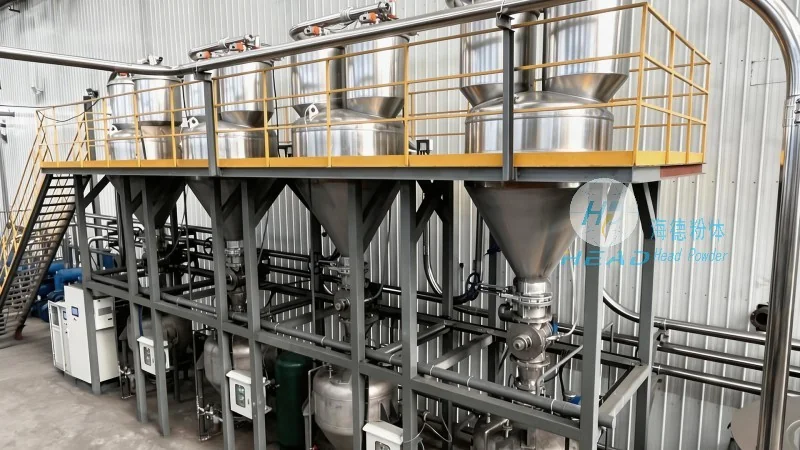
1. Screw Conveyors for Straw Ash Handling
Screw conveyors, also known as auger conveyors, are widely used in straw ash transportation due to their simplicity and effectiveness. These systems consist of a rotating helical screw inside a trough, which moves the ash material along the conveyor path. The design allows for vertical and horizontal transport, making them versatile for different layouts. For straw ash, which often has a fine and abrasive nature, screw conveyors are chosen for their ability to handle dry or slightly moist materials without causing excessive wear. The smooth operation of screw conveyors ensures minimal dust generation and consistent flow rates, which are critical for maintaining system efficiency. Companies like Shandong HeadPowder Engineering Co., Ltd. specialize in designing screw conveyor systems tailored to the specific characteristics of straw ash, ensuring optimal performance and longevity.
2. Pneumatic Conveying Systems
Pneumatic conveying systems use air pressure to transport straw ash through a pipeline network. This method is particularly suitable for long-distance or high-volume transport, as it can move materials over several hundred meters without the need for multiple transfer points. There are two main types of pneumatic conveying: positive pressure and negative pressure. Positive pressure systems blow air into the pipeline, pushing the ash forward, while negative pressure systems create a vacuum to draw the material. For straw ash, which may be dusty and require containment, positive pressure systems are often preferred as they minimize dust exposure and provide better control over the material flow. The flexibility of pneumatic conveying allows for integration with existing infrastructure, making it a viable option for retrofitting or expanding existing biomass processing plants. Shandong HeadPowder Engineering Co., Ltd. offers customized pneumatic conveying solutions that address the unique challenges of straw ash, such as particle size variation and moisture content.
3. Belt Conveyors in Straw Ash Transportation
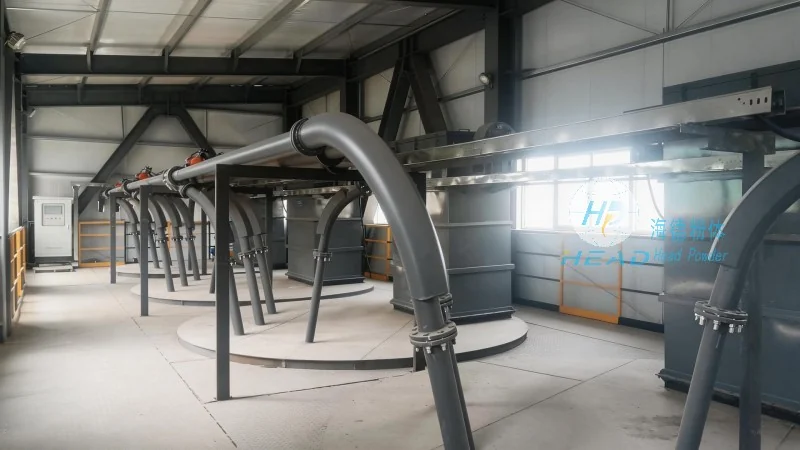
Belt conveyors are another common method for transporting straw ash, especially in applications where large quantities need to be moved over short to medium distances. These systems use a continuous belt that carries the ash from the source to the destination, often with multiple idlers and pulleys to maintain tension and direction. Belt conveyors are known for their high capacity and low maintenance requirements, making them economical for long-term use. However, they are less suitable for fine or powdery ash, as the material may fall through the belt or cause excessive wear on the belt surface. To mitigate this, companies like Shandong HeadPowder Engineering Co., Ltd. may incorporate special belt materials or additives to improve the ash's grip and reduce wear. The design of belt conveyors can be customized to handle the abrasive nature of straw ash, ensuring reliable operation and minimal downtime. This method is particularly effective in situations where the ash needs to be transported to a storage or processing facility within a facility or nearby site.
4. Hydraulic Conveying for Specialized Applications
Hydraulic conveying systems use water or other fluids to transport straw ash, typically in applications where the ash is mixed with water to form a slurry. This method is often used in processes where the ash needs to be transported through pipelines over long distances or where the material is too fine to be handled by other methods. The hydraulic system consists of a pump that moves the slurry through a pipeline, with the ash particles suspended in the liquid. This approach allows for efficient transport while minimizing dust and ensuring consistent flow. However, hydraulic conveying requires additional equipment for slurry preparation and separation, increasing the overall system complexity and cost. Shandong HeadPowder Engineering Co., Ltd. provides hydraulic conveying solutions tailored to the specific needs of straw ash, considering factors such as particle size, moisture content, and the distance to be covered. These systems are particularly useful in applications where the ash needs to be transported to a treatment or disposal facility, ensuring compliance with environmental regulations.
5. Combination Systems for Optimal Performance
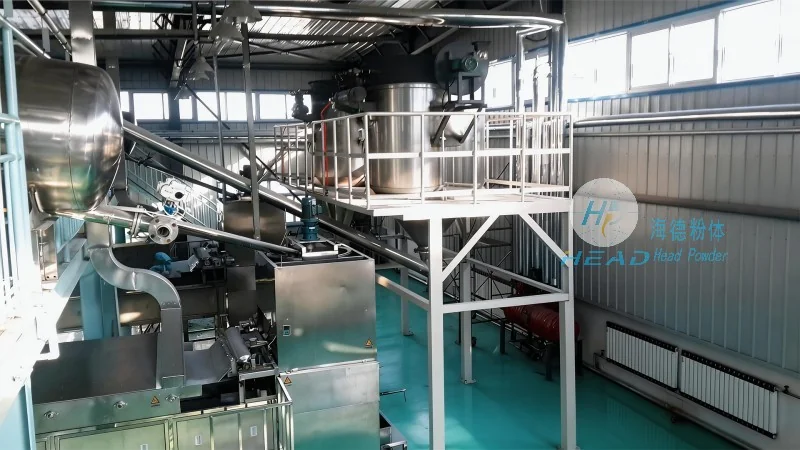
In many cases, a single transportation method may not be sufficient to meet the requirements of straw ash handling. Therefore, combination systems that integrate multiple technologies are often employed. For example, a screw conveyor may be used to feed a pneumatic conveying system, or a belt conveyor may be connected to a hydraulic system for slurry transport. These hybrid systems allow for flexibility and adaptability, ensuring that the ash is transported efficiently and safely under various conditions. The design of combination systems involves careful consideration of the material flow, pressure requirements, and system integration. Companies like Shandong HeadPowder Engineering Co., Ltd. specialize in designing and implementing these complex systems, ensuring that each component works in harmony to achieve optimal performance. By combining different technologies, these systems can handle a wide range of straw ash characteristics, from fine powders to larger particles, and transport them over varying distances with minimal loss or degradation.
6. Key Considerations for Choosing a Transportation Method
When selecting a straw ash transportation method, several factors must be considered to ensure the best fit for the application. The first consideration is the physical properties of the ash, including particle size, moisture content, and abrasiveness. These characteristics will determine the suitability of each method, as some systems are better suited for fine materials while others handle larger particles. The distance to be covered is another critical factor, as different methods have varying maximum transport distances. For short distances, belt conveyors or screw conveyors may be sufficient, while for long distances, pneumatic or hydraulic systems are more appropriate. The overall system layout and existing infrastructure also play a role, as some methods may require additional space or integration with existing pipelines. Cost is another important consideration, as different systems have varying capital and operational expenses. Finally, environmental and safety regulations must be considered, as some methods may generate more dust or require additional containment measures. By evaluating these factors, companies can choose the most effective and efficient transportation method for their straw ash handling needs.
7. Conclusion: Tailored Solutions for Straw Ash Transportation
Straw ash transportation is a critical component of biomass processing systems, and the choice of method directly impacts the overall efficiency and sustainability of the operation. From screw conveyors to pneumatic systems and belt conveyors, each method has its advantages and limitations. The key to successful straw ash transportation is to select the appropriate method based on the specific characteristics of the ash and the requirements of the application. Companies like Shandong HeadPowder Engineering Co., Ltd. offer expertise in designing and implementing these systems, ensuring that the chosen method meets the operational, environmental, and economic needs of the client. By leveraging their experience and customized solutions, clients can achieve reliable and efficient straw ash transportation, contributing to the overall success of their biomass processing facilities.

 Shandong Headpowder Engineering Co., Ltd.
 156-6277-7102(Quản lý Trương)
  0531-83386006
  Thành phố Tế Nam, Tỉnh Sơn Đông, Trung Quốc
Điện thoại
WeChatTư vấn
Lên đầu