Với hơn 10 năm kinh nghiệm về vận chuyển khí nén, Headpowder Sơn Đông cung cấp hệ thống, thiết bị và quạt gió toàn chuỗi, đảm nhận các dự án kỹ thuật bột trọn gói trên toàn quốc.
Cellulose, a fundamental component in various industrial processes, requires efficient and reliable conveying methods to ensure smooth operations. The choice of conveyance system depends on factors such as material properties, processing requirements, and operational environment. This article explores the primary methods used for cellulose conveyance, highlighting the expertise of Shandong HeadPowder Engineering Co., Ltd., a leading provider of industrial conveying solutions headquartered in Shandong, China.
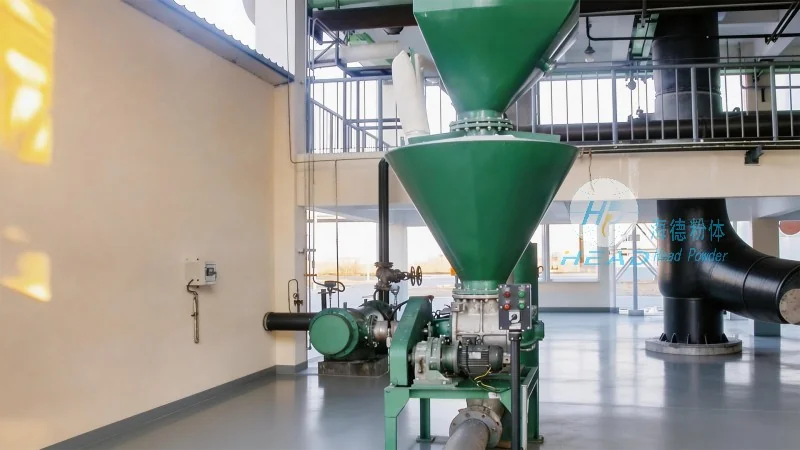
Understanding Cellulose Conveyance: Key Considerations
Before delving into specific conveying methods, it is essential to understand the characteristics of cellulose that influence the selection of a suitable system. Cellulose is typically a dry, fibrous material with varying particle sizes and moisture content. These properties affect how the material behaves during transport, impacting factors like flowability, abrasiveness, and the risk of clogging. Additionally, the scale of the operation—whether it involves small-scale laboratory processing or large-scale industrial production—plays a critical role in determining the most appropriate conveyance technology.
Common Cellulose Conveyance Methods
Several methods are widely used for transporting cellulose, each with its own advantages and limitations. The most common approaches include mechanical conveyors, gravity-based systems, and pneumatic (air) conveyors. Each method is designed to address specific challenges and operational needs, ensuring optimal performance and minimal downtime.
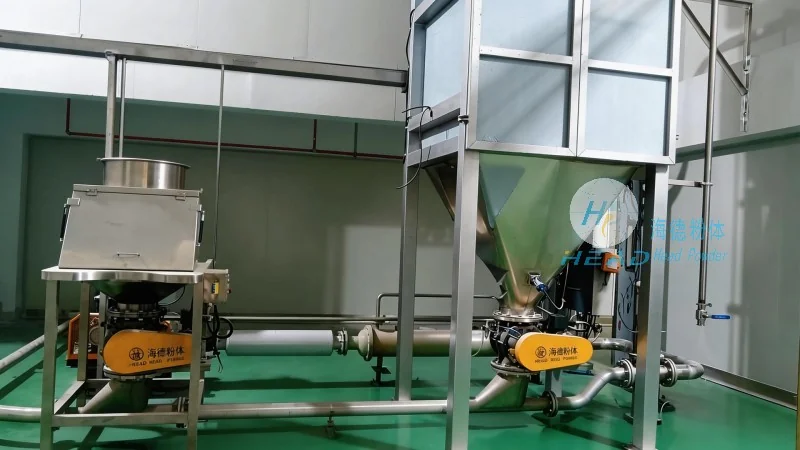
1. Mechanical Conveyors: A Versatile Solution
Mechanical conveyors are among the most widely used methods for cellulose transport due to their versatility and reliability. These systems utilize mechanical components to move material from one location to another. The primary types of mechanical conveyors include belt conveyors, screw conveyors, and chain conveyors. Belt conveyors, for instance, are ideal for transporting bulk quantities of cellulose over short to medium distances. They consist of a continuous belt that moves material along a fixed path, making them suitable for applications where material needs to be elevated or transported horizontally. Screw conveyors, on the other hand, use a rotating screw to push material forward, making them effective for vertical or inclined transport. This method is particularly useful when dealing with fibrous materials that may tend to stick to traditional conveyor surfaces. Chain conveyors, which employ a series of interconnected links, are often used in heavy-duty applications where high load capacities are required. They are capable of handling abrasive or sticky materials without significant wear and tear.
2. Gravity Conveyors: Energy-Efficient Transport
Gravity conveyors leverage the force of gravity to move cellulose materials without the need for external power sources. These systems are typically used in applications where the material can be transported downhill or where the distance is short and the slope is sufficient to facilitate movement. Gravity chutes and inclined conveyors are common examples of gravity-based systems. They are particularly advantageous in environments where energy efficiency is a priority, as they eliminate the need for motors or other power-consuming components. However, their effectiveness is limited by the need for a suitable slope and the characteristics of the material being conveyed. For instance, materials with low bulk density or those that tend to settle may not flow efficiently in gravity conveyors, requiring additional assistance or alternative methods.
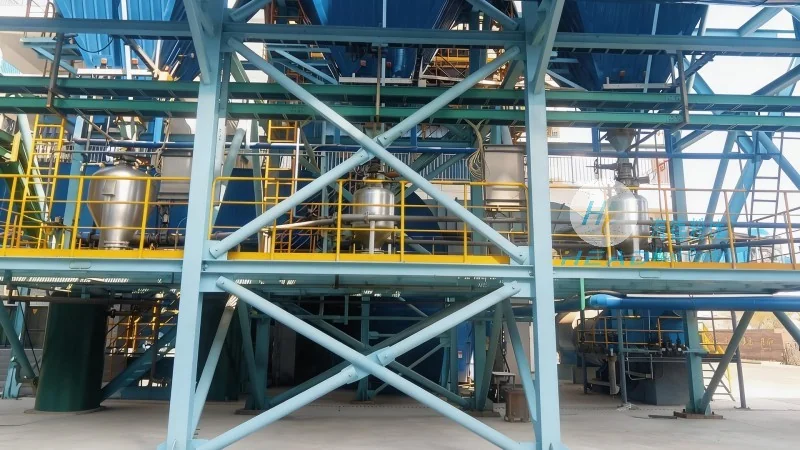
3. Pneumatic Conveyors: Air-Assisted Transport
Pneumatic conveyors use compressed air or negative pressure to transport cellulose particles through a pipeline. This method is particularly effective for fine or powdery cellulose materials that are difficult to handle with mechanical systems. There are two main types of pneumatic conveyors: positive pressure and negative pressure systems. Positive pressure systems blow air into the pipeline, pushing the material forward, while negative pressure systems create a vacuum that draws the material into the line. Pneumatic conveyors offer several benefits, including the ability to transport materials over long distances, handle fine powders without clogging, and integrate with existing air systems. However, they require careful design to prevent material degradation or loss due to air pressure and flow rates. Additionally, the cost of compressed air and the need for regular maintenance of air filtration systems should be considered when evaluating pneumatic conveyors as a conveyance option.
HeadPowder's Expertise in Cellulose Conveyance
Shandong HeadPowder Engineering Co., Ltd. specializes in providing customized cellulose conveyance solutions tailored to the unique needs of industrial clients. With years of experience in the field, the company understands the importance of selecting the right conveying method to ensure efficiency, safety, and cost-effectiveness. HeadPowder's team of engineers works closely with clients to assess their specific requirements, including material characteristics, processing scale, and operational constraints. This collaborative approach ensures that the chosen conveyance system not only meets current needs but also accommodates potential future expansions or changes in production.
Key Factors in Choosing the Right Cellulose Conveyance System
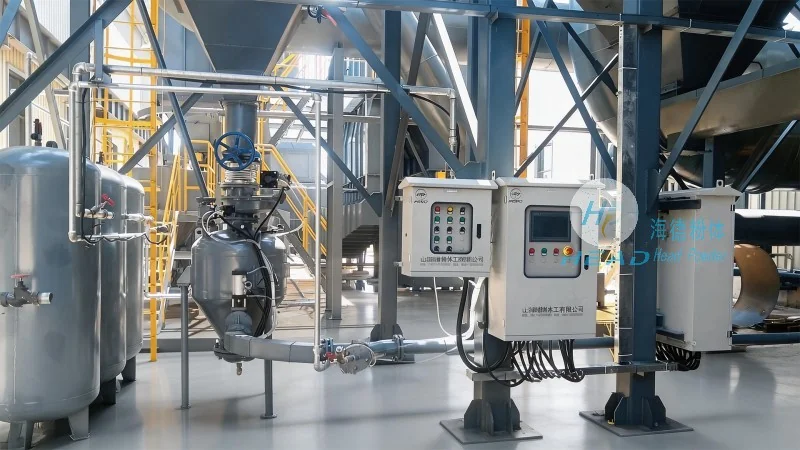
When selecting a cellulose conveyance system, several factors must be considered to ensure optimal performance and longevity. First, the physical properties of the cellulose material, such as particle size, moisture content, and bulk density, play a crucial role. Materials with high moisture content may require specialized equipment to prevent clogging or degradation. Second, the distance and elevation changes between the source and destination of the material are critical. For long distances or significant vertical movement, mechanical or pneumatic systems may be more suitable than gravity conveyors. Third, the operational environment, including factors like temperature, humidity, and exposure to chemicals, must be evaluated. Certain materials may be sensitive to environmental conditions, necessitating enclosed or protected conveying systems. Finally, the budget and maintenance requirements of the chosen system should be taken into account. While some systems may offer lower initial costs, they may require higher maintenance or have shorter lifespans, leading to increased long-term expenses.
Conclusion: Ensuring Efficient Cellulose Transport
Efficient cellulose conveyance is essential for maintaining smooth industrial operations and maximizing productivity. By understanding the various conveying methods available and selecting the most appropriate system based on specific requirements, industries can minimize downtime, reduce material loss, and enhance overall operational efficiency. Shandong HeadPowder Engineering Co., Ltd. stands ready to assist clients in navigating the complexities of cellulose conveyance, providing tailored solutions that meet their unique needs and contribute to their long-term success.

 Shandong Headpowder Engineering Co., Ltd.
 156-6277-7102(Quản lý Trương)
  0531-83386006
  Thành phố Tế Nam, Tỉnh Sơn Đông, Trung Quốc
Điện thoại
WeChatTư vấn
Lên đầu