Với hơn 10 năm kinh nghiệm về vận chuyển khí nén, Headpowder Sơn Đông cung cấp hệ thống, thiết bị và quạt gió toàn chuỗi, đảm nhận các dự án kỹ thuật bột trọn gói trên toàn quốc.
Coal gangue powder, a byproduct of coal mining and processing, is a fine-grained material that requires efficient and reliable transportation methods to ensure its proper utilization in various industrial applications. As a key material in construction, cement production, and other sectors, the effective handling of coal gangue powder is crucial for both environmental sustainability and economic efficiency. This article explores the primary methods used for transporting coal gangue powder, highlighting the technical aspects and practical considerations involved in each approach.
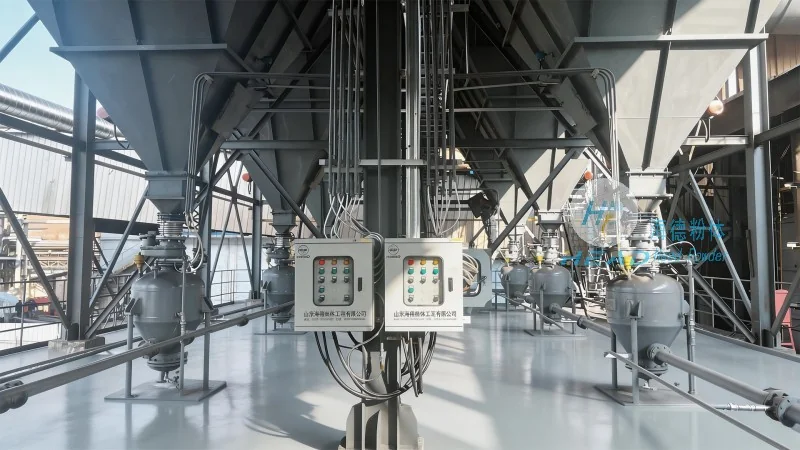
Common Transportation Methods for Coal Gangue Powder
Several methods are commonly employed to transport coal gangue powder, each with its own advantages and suitability for different operational scenarios. The choice of method often depends on factors such as the distance of transport, the volume of material, and the specific requirements of the end-use application. Below are the primary approaches used in the industry:
Pneumatic Conveying Systems
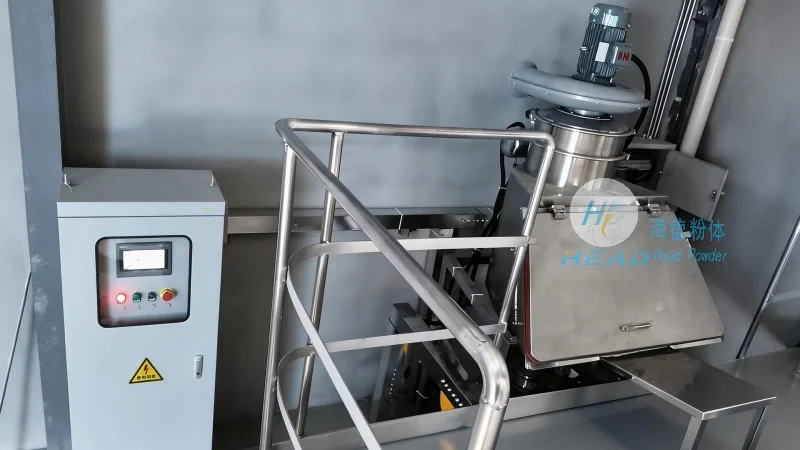
Pneumatic conveying is a widely used method for transporting coal gangue powder, particularly for short to medium distances. This technique involves the use of air pressure to move the powder through a pipeline system. There are two main types of pneumatic conveying: pressure and vacuum systems. Pressure systems use compressed air to push the material forward, while vacuum systems create a negative pressure to draw the powder into the pipeline. The choice between these systems depends on the distance and the nature of the material being transported. Pneumatic conveying offers advantages such as the ability to handle fine powders without the need for mechanical components like belts or buckets, reducing the risk of material degradation and contamination. However, it requires careful control of air pressure and flow rates to maintain efficiency and prevent blockages. The system typically includes components like a hopper, a conveyor line, and a receiver, with the powder being fed into the system and transported to the destination. This method is particularly effective for transporting coal gangue powder to locations within a facility or to nearby processing plants.
Bucket Elevators
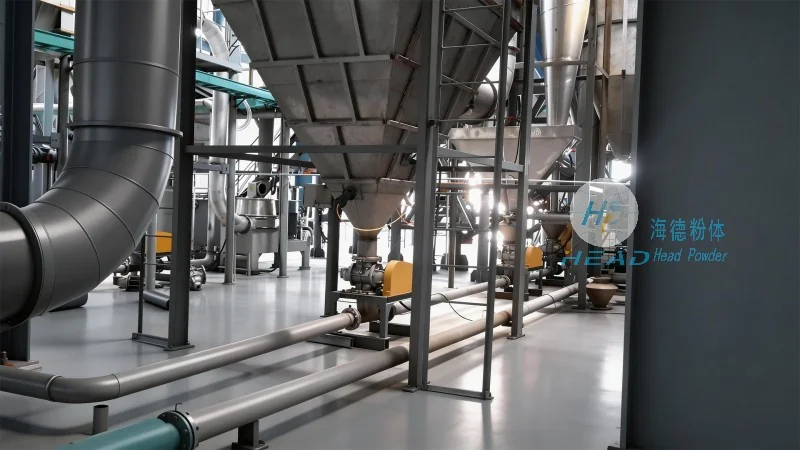
Bucket elevators are another common method for transporting coal gangue powder, especially for vertical or inclined transport over relatively short distances. This equipment consists of a continuous belt or chain with buckets attached, which moves vertically or at an angle to lift the powder from a lower to a higher level. The buckets scoop up the powder at the lower end and discharge it at the upper end, where it is collected and transported to the next stage of processing. Bucket elevators are known for their high capacity and efficiency in handling bulk materials, including fine powders. They are often used in industrial settings where vertical transport is necessary, such as in cement plants or power stations. The design of the elevator, including the size of the buckets and the speed of the belt, can be adjusted to accommodate different particle sizes and flow rates of coal gangue powder. However, bucket elevators may require regular maintenance to ensure smooth operation and prevent wear and tear on the components. They are generally suitable for moderate to high volumes of material and are less effective for long-distance horizontal transport.
Trunking and Belt Conveyors
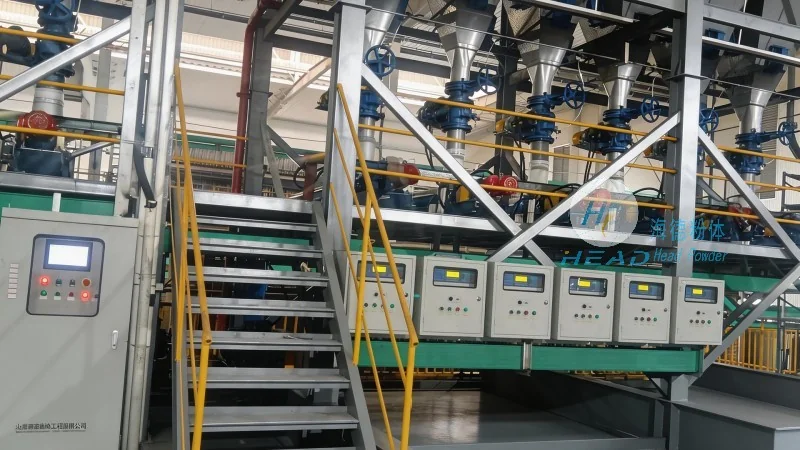
Trunking and belt conveyors are widely used for the horizontal and inclined transport of coal gangue powder over longer distances. These systems consist of a continuous belt that runs over rollers or idlers, with the powder placed on the belt and moved from one location to another. The design of the conveyor system, including the width of the belt, the speed, and the angle of inclination, is tailored to the specific characteristics of the coal gangue powder, such as its density and flowability. Trunking conveyors are often used in open-pit mining operations or large-scale industrial facilities to transport large volumes of material over significant distances. They can be equipped with various accessories, such as feeders, hoppers, and transfer points, to enhance their functionality and adapt to different operational needs. Belt conveyors are known for their high capacity and low maintenance requirements, making them a cost-effective solution for transporting coal gangue powder. However, they may require regular cleaning and maintenance to prevent the buildup of material on the belt and ensure efficient operation. The choice of belt material, such as rubber or PVC, is also important to prevent wear and tear from the abrasive nature of coal gangue powder.
Hydraulic Conveying
Hydraulic conveying is a method that uses water to transport coal gangue powder, particularly for long-distance or underwater applications. This technique involves mixing the powder with water to form a slurry, which is then pumped through a pipeline system to the destination. The slurry is typically transported under pressure, with the water acting as a carrier medium to move the powder. Hydraulic conveying is commonly used in mining operations where the material needs to be transported over long distances or through challenging terrain, such as in coastal or mountainous areas. The system includes components like a slurry pump, a pipeline network, and a settling tank or filter to separate the powder from the water at the end of the transport. Hydraulic conveying offers advantages such as the ability to transport large volumes of material over long distances with relatively low energy consumption. However, it requires careful management of the water-powder ratio to maintain the flowability of the slurry and prevent clogging in the pipeline. The process also involves additional steps for water treatment and recycling, which can increase the operational complexity and cost.

 Shandong Headpowder Engineering Co., Ltd.
 156-6277-7102(Quản lý Trương)
  0531-83386006
  Thành phố Tế Nam, Tỉnh Sơn Đông, Trung Quốc
Điện thoại
WeChatTư vấn
Lên đầu