Với hơn 10 năm kinh nghiệm về vận chuyển khí nén, Headpowder Sơn Đông cung cấp hệ thống, thiết bị và quạt gió toàn chuỗi, đảm nhận các dự án kỹ thuật bột trọn gói trên toàn quốc.
For manufacturers dealing with ABS (Acrylonitrile Butadiene Styrene) pellets, efficient and reliable conveying methods are crucial to maintaining production efficiency and product quality. The choice of conveying method depends on various factors including the material properties of the ABS pellets, the scale of production, and the specific requirements of the manufacturing process. In this article, we will explore the different types of ABS pellet conveying methods, highlighting their applications and benefits.
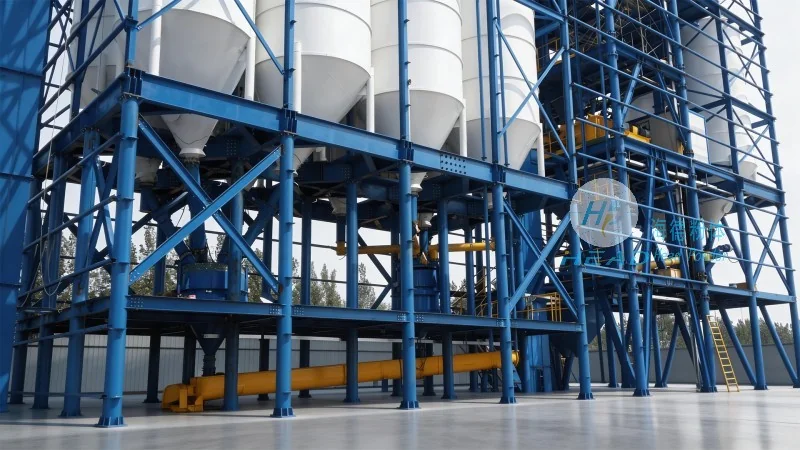
As a leading provider in the field, Shandong HeadPowder Engineering Co., Ltd., commonly known as headpowder, specializes in engineering solutions for material handling and processing. With a strong presence in Shandong, China, the company has built a reputation for delivering high-quality equipment and services tailored to the needs of the plastic processing industry.
1. Screw Conveyors for ABS Pellet Handling
Screw conveyors, also known as auger conveyors, are one of the most common and versatile methods for conveying ABS pellets. These systems utilize a rotating screw or auger to move material along a trough or tube. The design of the screw conveyor can be customized to handle different pellet sizes and densities, making it suitable for various production environments. For ABS pellets, which are typically free-flowing and have a relatively low friction coefficient, screw conveyors provide smooth and continuous movement with minimal material degradation. The enclosed design of screw conveyors also helps in maintaining consistent temperature and preventing contamination, which is essential for maintaining the quality of ABS products. In industrial settings, screw conveyors are often integrated with other equipment such as hoppers, feeders, and processing machines, creating a seamless material flow from storage to processing.
2. Pneumatic Conveying Systems for ABS Pellets
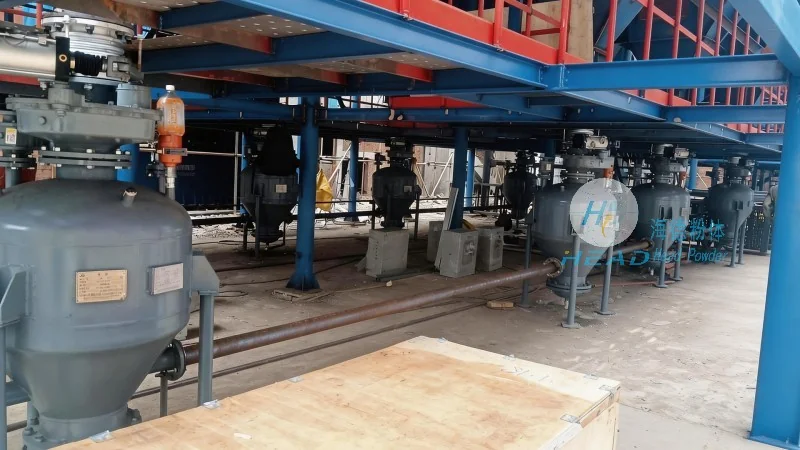
Pneumatic conveying systems use air or other gases to transport ABS pellets through a network of pipes. This method is particularly effective for handling fine or dusty materials, but it can also be adapted for larger ABS pellets. There are two main types of pneumatic conveying: pressure and vacuum systems. Pressure systems force air and material through the pipeline, while vacuum systems draw material into the system using a vacuum pump. Pneumatic conveying offers advantages such as the ability to transport materials over long distances and the flexibility to route the conveying line around obstacles. However, it requires careful control of air pressure and flow rates to prevent material degradation or blockages. For ABS pellets, pneumatic systems are often used in applications where dust control is critical, such as in food processing or pharmaceutical industries. The enclosed nature of pneumatic conveying also helps in maintaining a clean and controlled environment, which is important for maintaining the purity of ABS products.
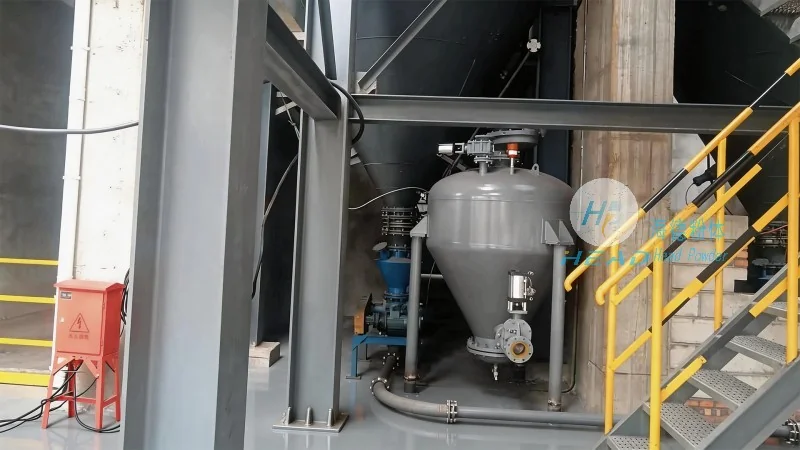
3. Belt Conveyors for Bulk ABS Pellet Transport
Belt conveyors are widely used for the bulk transport of ABS pellets, especially in large-scale production facilities. These systems consist of a continuous belt that moves over rollers or a flat surface, carrying the pellets from one location to another. Belt conveyors are known for their high capacity and ability to handle large volumes of material efficiently. They are particularly suitable for transporting ABS pellets over short to medium distances, such as from storage silos to processing lines. The design of belt conveyors can be customized to accommodate different pellet sizes and shapes, with options for side walls, cleats, or other features to prevent material spillage or sliding. Belt conveyors are also relatively low maintenance and can be integrated with other equipment such as elevators or sorters to enhance the overall material handling process. For ABS pellets, which are often stored in bulk quantities, belt conveyors provide a reliable and cost-effective solution for moving material to the next stage of production.
4. Bucket Elevators for Vertical ABS Pellet Conveying
Bucket elevators are specialized equipment used for vertical conveying of ABS pellets. These systems consist of a vertical or inclined conveyor with buckets attached to a chain or belt that moves up and down. The buckets scoop up the pellets from a hopper at the bottom and transport them to the top, where they are discharged into another hopper or processing unit. Bucket elevators are particularly effective for handling materials that are prone to bridging or caking, as the buckets provide consistent and uniform material flow. For ABS pellets, which can sometimes form clumps or agglomerates, bucket elevators help in breaking up these structures and ensuring a smooth conveying process. The enclosed design of bucket elevators also helps in maintaining consistent temperature and preventing contamination, which is crucial for maintaining the quality of ABS products. Bucket elevators are often used in applications where vertical space is limited or where the material needs to be lifted to a higher level for processing. They are also known for their high efficiency and ability to handle large volumes of material with minimal energy consumption.
Conclusion: Choosing the Right ABS Pellet Conveying Method
Selecting the appropriate conveying method for ABS pellets is a critical decision that impacts production efficiency, product quality, and overall operational costs. The choice should be based on a thorough analysis of the material properties, production scale, and specific requirements of the manufacturing process. Screw conveyors offer versatility and reliability for horizontal or slight incline conveying, while pneumatic systems provide flexibility for long-distance or dust-sensitive applications. Belt conveyors are ideal for bulk transport over short to medium distances, and bucket elevators are perfect for vertical conveying in space-constrained environments. By understanding the advantages and limitations of each method, manufacturers can make an informed decision that optimizes their material handling processes.
Shandong HeadPowder Engineering Co., Ltd. (headpowder) is committed to providing customized solutions for ABS pellet conveying and material handling. With years of experience and a team of expert engineers, the company offers a wide range of equipment and services tailored to the needs of the plastic processing industry. Whether you need a new conveyor system or assistance with optimizing your existing material handling process, headpowder is ready to help. Based in Shandong, China, the company leverages its local expertise and resources to deliver high-quality products and services that meet the highest standards of the industry.

 Shandong Headpowder Engineering Co., Ltd.
 156-6277-7102(Quản lý Trương)
  0531-83386006
  Thành phố Tế Nam, Tỉnh Sơn Đông, Trung Quốc
Điện thoại
WeChatTư vấn
Lên đầu