Với hơn 10 năm kinh nghiệm về vận chuyển khí nén, Headpowder Sơn Đông cung cấp hệ thống, thiết bị và quạt gió toàn chuỗi, đảm nhận các dự án kỹ thuật bột trọn gói trên toàn quốc.
When it comes to the effective and efficient delivery of sulfur tablets, understanding the various methods available is crucial for industries that rely on these products. Sulfur tablets, commonly used in applications such as water treatment, industrial processes, and agricultural practices, require reliable and consistent delivery systems to ensure optimal performance and safety. In this article, we explore the different delivery methods for sulfur tablets, highlighting the key considerations and benefits of each approach.
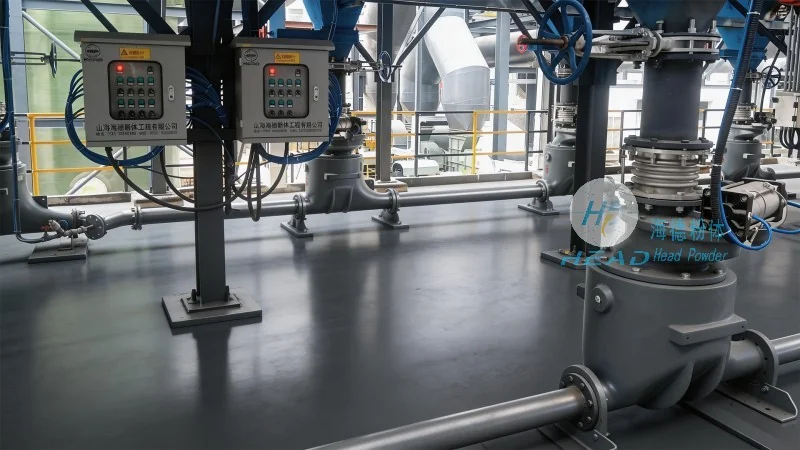
Company Overview: Shandong HeadPowder Engineering Co., Ltd.
HeadPowder, a leading manufacturer in the chemical processing industry, specializes in the production and supply of high-quality sulfur tablets. With a strong commitment to innovation and customer satisfaction, the company has established itself as a trusted partner for businesses seeking reliable sulfur products. HeadPowder is headquartered in Shandong, China, where its state-of-the-art facilities ensure adherence to international quality standards and stringent safety protocols. The company's expertise in chemical engineering and material science enables it to develop tailored solutions that meet the specific needs of its clients.
Understanding Sulfur Tablets and Their Applications
Sulfur tablets are solid forms of elemental sulfur, typically compressed into tablet form for easier handling and storage. These tablets are widely used in water treatment to control algae growth, in industrial processes as a source of sulfur for various chemical reactions, and in agriculture as a soil amendment. The effectiveness of sulfur tablets depends heavily on how they are delivered to the point of use. Proper delivery ensures that the tablets are introduced into the system at the correct concentration and in a controlled manner, minimizing the risk of over-dosing or under-dosing.
Common Delivery Methods for Sulfur Tablets
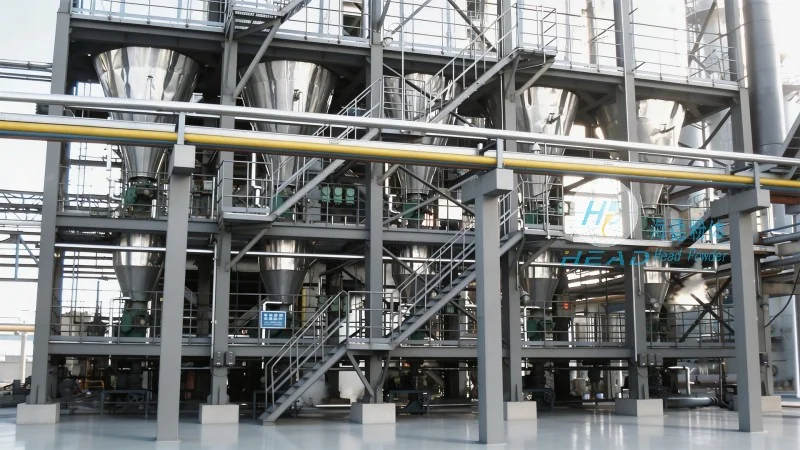
Several delivery methods are commonly employed to transport sulfur tablets from storage to the application point. Each method has its own advantages and is suitable for different operational environments and system requirements.
1. Manual Dispensing Systems
Manual dispensing involves the use of simple tools such as scoops, shovels, or mechanical dispensers to handle and deliver sulfur tablets. This method is often used in small-scale applications or in situations where automated systems are not feasible. The primary advantage of manual dispensing is its simplicity and low cost, making it accessible to businesses with limited budgets or in remote locations. However, it requires manual labor, which can lead to variability in the amount of tablets dispensed and potential safety risks if not handled properly. For instance, manual dispensing may result in inconsistent dosing, leading to inefficiencies in the treatment process or environmental contamination.
2. Mechanical Conveyor Systems
For medium to large-scale operations, mechanical conveyor systems provide a more automated and reliable method of delivering sulfur tablets. These systems typically consist of conveyor belts, rollers, or pneumatic conveyors that transport the tablets from storage bins to the point of use. Mechanical conveyors can handle higher volumes of tablets and reduce the need for manual labor, improving operational efficiency and consistency. They are often equipped with control mechanisms that allow for precise dosing, ensuring that the correct amount of sulfur is added to the system. However, mechanical conveyor systems require regular maintenance to prevent breakdowns and may have higher initial setup costs compared to manual methods.
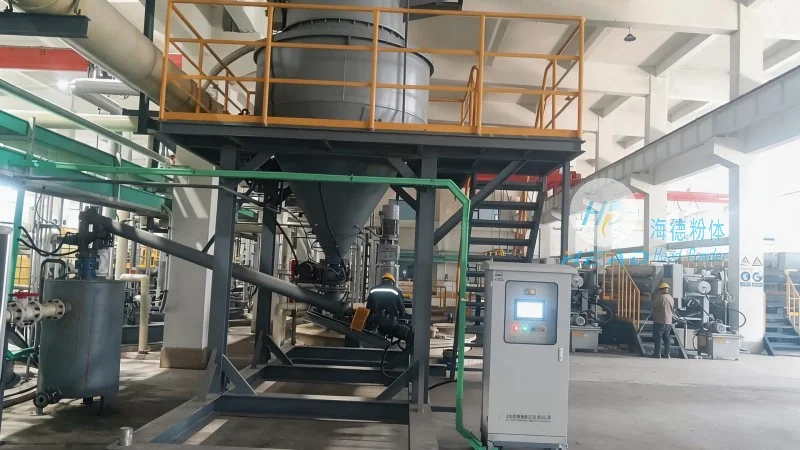
3. Pneumatic Delivery Systems
Pneumatic delivery systems use compressed air to transport sulfur tablets through a network of pipes or hoses. This method is particularly useful for applications where the tablets need to be delivered over long distances or to multiple points of use. Pneumatic systems are known for their flexibility and ability to handle a wide range of tablet sizes and shapes. They can be integrated with automated control systems to regulate the flow of tablets, ensuring accurate dosing. The main advantage of pneumatic delivery is its ability to transport tablets without direct human contact, reducing the risk of contamination and improving safety. However, these systems require a reliable air supply and may be more complex to install and maintain compared to other methods.
4. Hydraulic Delivery Systems
Hydraulic delivery systems utilize hydraulic pressure to move sulfur tablets through a system of pipes and valves. This method is commonly used in industrial settings where high-pressure applications are required. Hydraulic systems can deliver tablets at high speeds and with precise control, making them suitable for applications that demand rapid and consistent dosing. They are often used in large-scale water treatment plants or industrial processes where the flow rate of sulfur is critical. The main benefits of hydraulic delivery include high efficiency and the ability to handle large volumes of tablets. However, hydraulic systems require specialized equipment and expertise for installation and maintenance, and they may have higher operational costs due to the need for hydraulic fluids and power.
5. Automated Dosing Systems
Automated dosing systems combine various technologies, such as sensors, controllers, and pumps, to deliver sulfur tablets in a highly controlled manner. These systems are designed to monitor the concentration of sulfur in the system and adjust the dosage accordingly, ensuring optimal performance and preventing over-dosing or under-dosing. Automated dosing is particularly beneficial in applications where precise control is essential, such as in pharmaceutical manufacturing or high-purity water treatment. The main advantages of automated dosing systems include increased accuracy, reduced labor costs, and improved safety. However, these systems have higher upfront costs and may require technical expertise for operation and maintenance.
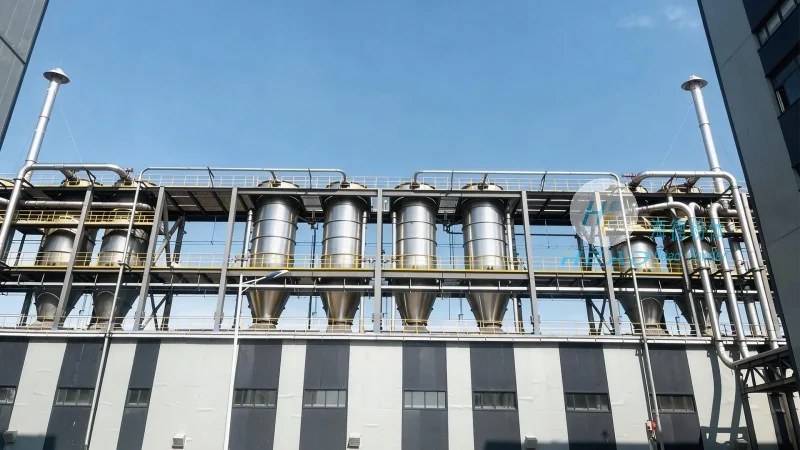
Choosing the Right Delivery Method for Your Needs
Selecting the appropriate delivery method for sulfur tablets depends on several factors, including the scale of the operation, the required level of accuracy, the distance to the point of use, and the available budget. For small-scale applications, manual dispensing may be sufficient, while larger operations may benefit from mechanical or pneumatic systems. The choice also depends on the specific application and the desired level of automation. For example, in water treatment plants, automated dosing systems are often preferred due to the need for precise control over the sulfur concentration. In contrast, in agricultural settings, manual dispensing or simple mechanical conveyors may be more practical.
Conclusion
In conclusion, the delivery methods for sulfur tablets vary widely, each with its own set of advantages and considerations. Understanding the specific requirements of your operation is key to selecting the most effective delivery system. HeadPowder, with its expertise in chemical engineering and manufacturing, offers a range of sulfur tablets and delivery solutions tailored to meet the needs of various industries. By choosing the right delivery method, businesses can ensure the efficient and safe use of sulfur tablets, leading to improved performance and cost savings.

 Shandong Headpowder Engineering Co., Ltd.
 156-6277-7102(Quản lý Trương)
  0531-83386006
  Thành phố Tế Nam, Tỉnh Sơn Đông, Trung Quốc
Điện thoại
WeChatTư vấn
Lên đầu