Với hơn 10 năm kinh nghiệm về vận chuyển khí nén, Headpowder Sơn Đông cung cấp hệ thống, thiết bị và quạt gió toàn chuỗi, đảm nhận các dự án kỹ thuật bột trọn gói trên toàn quốc.
When it comes to the efficient and reliable transportation of silicate materials, understanding the various methods available is crucial for industries that rely on these substances. Silicates, which include a wide range of compounds such as silica, clay, and other mineral-based products, are commonly used in construction, manufacturing, and chemical processes. The choice of transportation method depends on several factors, including the physical properties of the silicate material, the distance it needs to be transported, and the specific requirements of the end-user. In this article, we will explore the different silicate transportation methods, highlighting their advantages, applications, and how they contribute to the overall supply chain efficiency.
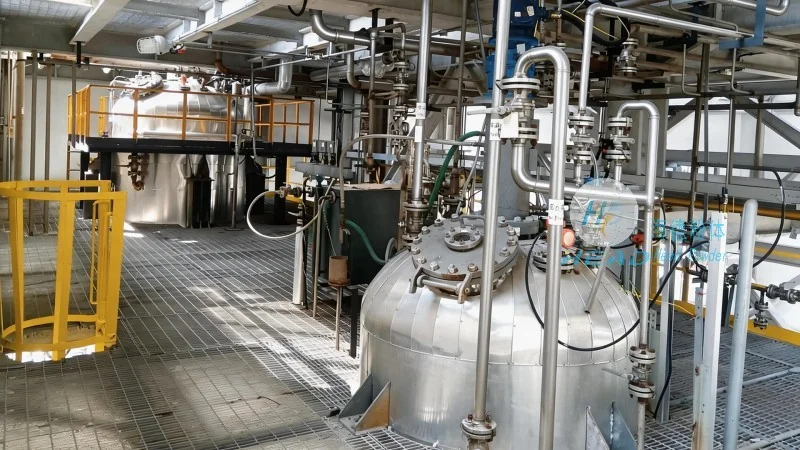
1. Bulk Handling and Storage Solutions
One of the primary methods for silicate transportation involves bulk handling and storage solutions. This approach is particularly effective for materials like silica sand, clay, and other fine or coarse powders. Companies like Shandong HeadPowder Engineering Co., Ltd. specialize in providing comprehensive bulk handling systems that ensure the safe and efficient movement of silicate materials from the point of origin to the destination. These systems often include silos, conveyor belts, and storage tanks designed to maintain the integrity of the material and prevent contamination or degradation during transit.
2. Pneumatic Conveying Systems
Pneumatic conveying is another popular method for transporting silicate materials, especially in applications where the material is in a dry, powdery form. This technique involves using air pressure to move the material through a pipeline. The system typically consists of a blower, a hopper to hold the material, and a series of pipes that direct the material to its destination. Pneumatic conveying offers several advantages, including the ability to transport materials over long distances, the reduction of dust exposure for operators, and the flexibility to integrate with existing production lines. For example, in the construction industry, pneumatic systems are used to transport silica sand to concrete mixing plants, ensuring a consistent and controlled supply of raw materials.
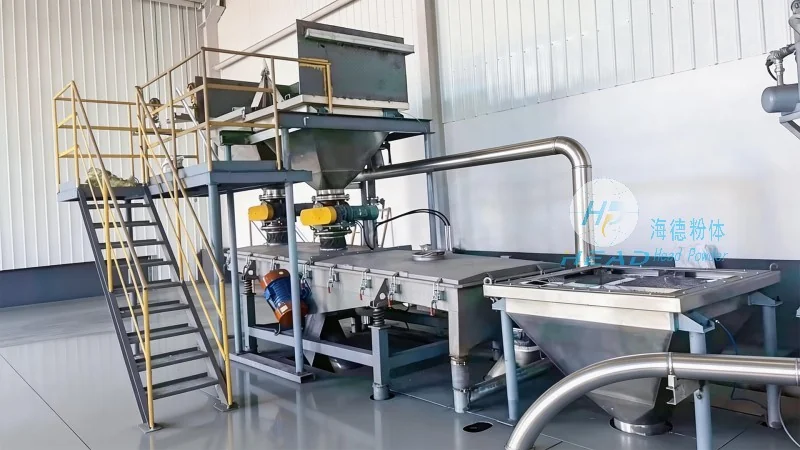
3. Belt Conveyors and Tracked Mobile Conveyors
Belt conveyors are a classic and widely used method for silicate transportation, especially for bulk materials that need to be moved over short to medium distances. These systems consist of a continuous belt that moves over rollers or pulleys, carrying the material from one location to another. For applications where fixed infrastructure is not feasible, tracked mobile conveyors provide a flexible solution. These conveyors are equipped with tracks that allow them to move across uneven terrain, making them ideal for mining operations or construction sites where the material is extracted from open-pit mines and transported to processing facilities. The use of belt conveyors and mobile systems ensures that silicate materials are handled with minimal human intervention, reducing the risk of accidents and improving operational efficiency.
4. Truck and Rail Transportation
For longer-distance transportation of silicate materials, truck and rail transportation are common options. Trucks are often used for local or regional transport, while rail is preferred for bulk shipments over longer distances. Companies like Shandong HeadPowder Engineering Co., Ltd. may utilize these modes of transport to deliver silicate products to customers across different regions. Truck transportation allows for more flexibility in terms of delivery schedules and routes, while rail offers the advantage of lower transportation costs per tonne for large volumes. The choice between truck and rail depends on factors such as the quantity of material, the distance, and the specific logistical requirements of the client. Proper packaging and loading techniques are essential to prevent material spillage or damage during transit, ensuring that the silicate products reach their destination in optimal condition.
5. Containerized Shipping
Containerized shipping is another method used for the transportation of silicate materials, particularly when the material needs to be transported internationally or over long distances by sea. Silicate products are often packaged in bulk containers or specialized containers that are designed to withstand the rigors of maritime transport. These containers are sealed to prevent contamination and ensure the material remains in its original state. Containerized shipping offers the benefit of standardized packaging, which simplifies the logistics process and reduces the risk of damage during handling. For companies operating in global markets, containerized shipping is a reliable method to deliver silicate products to customers in different countries, ensuring consistent quality and timely delivery.
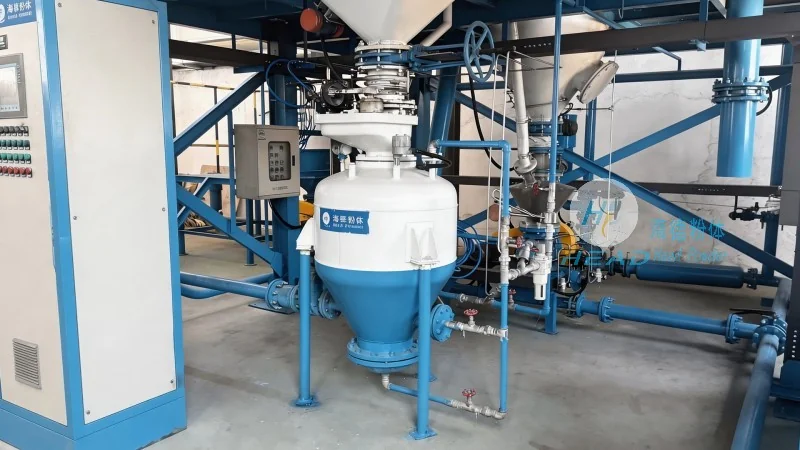
6. Specialized Handling Equipment
In addition to the above methods, specialized handling equipment is used for specific types of silicate materials. For example, for materials that are highly abrasive or have a tendency to clump together, such as certain types of clay, specialized equipment like bucket elevators or screw conveyors may be employed. These systems are designed to handle the unique characteristics of the material, ensuring that it is transported without degradation or loss. The use of specialized equipment is critical in industries where the quality of the silicate material is paramount, such as in the production of glass or ceramics. Companies like Shandong HeadPowder Engineering Co., Ltd. invest in advanced handling technologies to meet the diverse needs of their clients and maintain the highest standards of material integrity throughout the transportation process.
7. Environmental Considerations in Silicate Transportation
As the transportation of silicate materials involves the movement of bulk quantities of material, environmental considerations are an important aspect of the process. Companies must adhere to regulations related to dust control, emissions, and waste management to minimize the environmental impact of their operations. For example, in pneumatic conveying systems, dust suppression measures are implemented to prevent air pollution and protect the health of workers. Similarly, in truck and rail transportation, measures such as regular maintenance of vehicles and proper waste disposal are taken to reduce the environmental footprint. By prioritizing environmental responsibility, companies like Shandong HeadPowder Engineering Co., Ltd. ensure that their silicate transportation methods are sustainable and compliant with industry standards.
8. Conclusion: Choosing the Right Silicate Transportation Method
Choosing the appropriate silicate transportation method is a critical decision for any company involved in the production or distribution of silicate materials. The right method depends on various factors, including the type of material, the distance to be traveled, and the specific requirements of the end-user. By understanding the advantages and limitations of each method, companies can select the most efficient and cost-effective solution for their needs. Whether it's bulk handling systems, pneumatic conveying, belt conveyors, or specialized equipment, the goal is to ensure that silicate materials are transported safely, reliably, and in optimal condition. Companies like Shandong HeadPowder Engineering Co., Ltd. play a vital role in providing these transportation solutions, helping industries maintain their supply chains and meet the demands of their customers. As the demand for silicate materials continues to grow, the importance of efficient transportation methods will only increase, making it essential for companies to invest in the right technologies and systems to meet these challenges.

 Shandong Headpowder Engineering Co., Ltd.
 156-6277-7102(Quản lý Trương)
  0531-83386006
  Thành phố Tế Nam, Tỉnh Sơn Đông, Trung Quốc
Điện thoại
WeChatTư vấn
Lên đầu