Với hơn 10 năm kinh nghiệm về vận chuyển khí nén, Headpowder Sơn Đông cung cấp hệ thống, thiết bị và quạt gió toàn chuỗi, đảm nhận các dự án kỹ thuật bột trọn gói trên toàn quốc.
When it comes to handling magnetic powders in industrial applications, selecting the right conveying method is crucial for efficiency, safety, and product integrity. Magnetic powders, such as iron powder or other magnetic particulates, require specialized equipment to ensure smooth and controlled movement. This article explores the primary methods used for magnetic powder conveying, highlighting the technologies and considerations that make each approach suitable for different industrial needs.
Introduction to Magnetic Powder Conveying
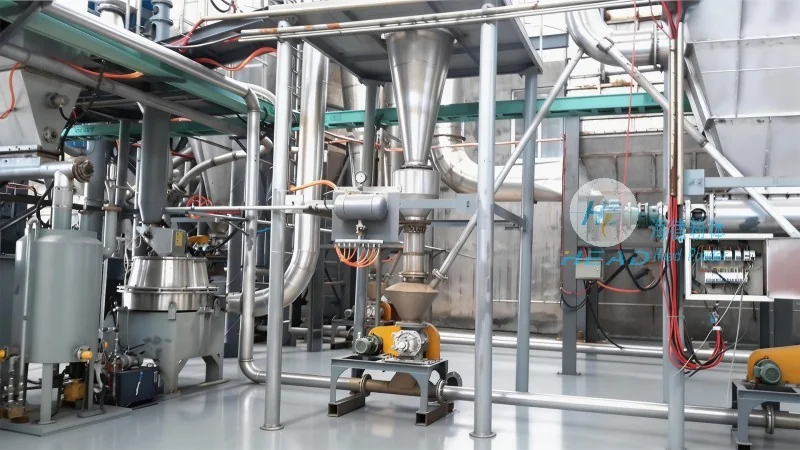
Magnetic powder conveying involves the transport of magnetic particles from one location to another within a processing system. Unlike traditional bulk materials, magnetic powders often have unique properties, including high susceptibility to magnetic fields and potential for static charge buildup. Therefore, the conveying methods must address these characteristics to prevent clogging, maintain particle size distribution, and ensure consistent flow rates. The choice of conveying method depends on factors like the powder's particle size, magnetic strength, moisture content, and the required throughput. By understanding the different options available, industries can optimize their material handling processes and improve overall operational efficiency.
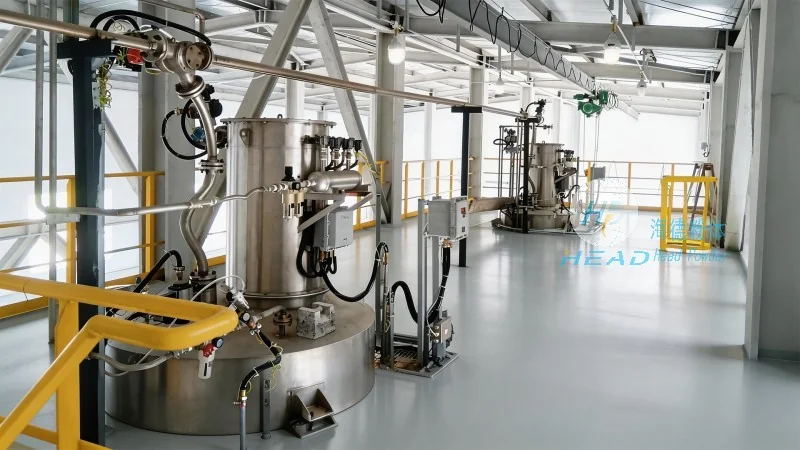
1. Gravity Conveying Systems
Gravity conveying systems utilize the natural force of gravity to move magnetic powders from a higher to a lower elevation. These systems typically consist of inclined chutes or hoppers that allow the powder to flow under the influence of gravity. For magnetic powders, gravity conveyors are often combined with magnetic separators or magnetic fields to maintain particle separation and prevent agglomeration. The design of gravity conveyors is straightforward, with minimal moving parts, making them suitable for low to medium throughput applications. However, their effectiveness is limited by the need for a sufficient vertical drop and the particle size distribution of the powder. In industrial settings, gravity conveyors are commonly used in pre-processing stages where the magnetic powder is transferred from storage bins to processing equipment. The key advantage of gravity conveying is its low energy consumption and low maintenance requirements, making it an economical choice for applications with gentle slope requirements.
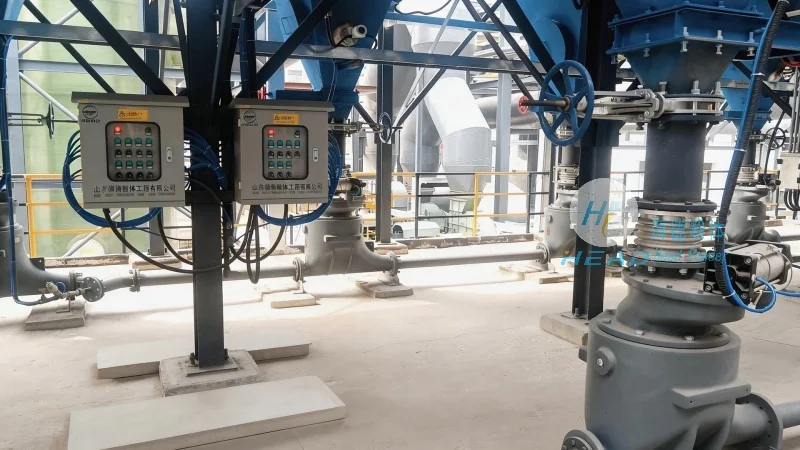
2. Mechanical Conveying Methods
Mechanical conveying methods rely on mechanical components to move magnetic powders. These systems include screw conveyors, belt conveyors, and pneumatic conveying equipment. Screw conveyors, also known as auger conveyors, use a rotating screw to push the powder forward along a tube or trough. This method is effective for handling magnetic powders with moderate to high bulk density and can operate in both horizontal and inclined configurations. However, screw conveyors may experience issues with clogging if the powder contains large particles or is prone to agglomeration. To mitigate this, magnetic powder handling systems often incorporate magnetic fields or magnetic separators within the conveyor to keep particles separated and prevent blockages. Belt conveyors, on the other hand, use a continuous belt to transport the powder, which is ideal for long-distance horizontal transport. The belt material is typically chosen to be non-magnetic and resistant to the chemical properties of the magnetic powder to avoid contamination. Mechanical conveying systems are versatile and can handle a wide range of particle sizes and flow rates, making them suitable for various industrial applications. However, they require regular maintenance to ensure smooth operation and may consume more energy compared to gravity or pneumatic systems.
3. Pneumatic Conveying Techniques
Pneumatic conveying uses compressed air or gas to transport magnetic powders through a pipeline. This method is particularly useful for applications requiring high flexibility, such as moving powders between different processing units or for long-distance transport. There are two main types of pneumatic conveying: dilute phase and dense phase. Dilute phase conveying involves the powder being suspended in the air stream, which allows for high velocity and efficient transport. However, it is more suitable for fine magnetic powders with low bulk density. Dense phase conveying, also known as low velocity conveying, uses lower air velocities to move the powder in a more controlled manner, reducing the risk of particle degradation or segregation. Pneumatic conveying systems are often equipped with magnetic separators or magnetic fields to maintain particle integrity and prevent agglomeration during transport. The choice between dilute and dense phase depends on the specific characteristics of the magnetic powder, such as particle size, moisture content, and the required throughput. Pneumatic conveying offers advantages like the ability to transport powders vertically and horizontally, minimal space requirements, and the option to integrate with other processing equipment. However, it may require higher energy input and careful control of air pressure to prevent powder loss or degradation.
4. Magnetic Conveying and Separation Integration
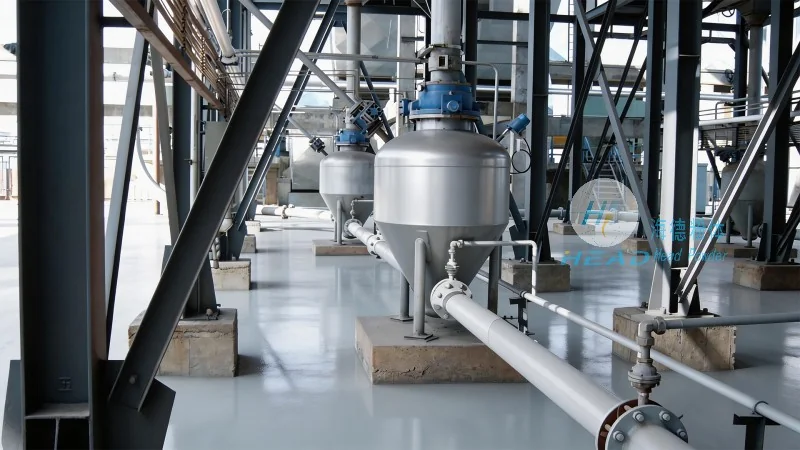
For magnetic powders, integrating magnetic conveying with magnetic separation is a common and effective approach. This method combines the principles of magnetic attraction with mechanical transport to ensure efficient handling. Magnetic conveyors use permanent magnets or electromagnets to attract and move the magnetic particles along a conveyor belt or tube. The design of these systems often includes a series of magnetic elements arranged along the path of the conveyor, which gradually pulls the powder forward. This approach is particularly useful for powders that are prone to agglomeration or have varying magnetic properties. The integration of magnetic separation and conveying allows for real-time monitoring and control of the powder flow, ensuring consistent quality and preventing contamination. Magnetic conveying systems are often used in applications where the magnetic powder needs to be separated from non-magnetic materials or where the powder's magnetic properties need to be maintained during transport. The key advantage of this method is its ability to handle a wide range of magnetic powders, including those with high moisture content or fine particle sizes. However, the design and maintenance of magnetic conveyors require specialized knowledge to ensure optimal performance and prevent equipment wear.

 Shandong Headpowder Engineering Co., Ltd.
 156-6277-7102(Quản lý Trương)
  0531-83386006
  Thành phố Tế Nam, Tỉnh Sơn Đông, Trung Quốc
Điện thoại
WeChatTư vấn
Lên đầu