Với hơn 10 năm kinh nghiệm về vận chuyển khí nén, Headpowder Sơn Đông cung cấp hệ thống, thiết bị và quạt gió toàn chuỗi, đảm nhận các dự án kỹ thuật bột trọn gói trên toàn quốc.
When it comes to handling methylcellulose, selecting the right conveying method is crucial for maintaining product quality and operational efficiency. Methylcellulose, a versatile thickening and stabilizing agent widely used in industries such as pharmaceuticals, food, and cosmetics, requires specialized handling due to its fine particle size and hygroscopic nature. Traditional conveying methods like belt conveyors or bucket elevators may struggle with dust generation and material degradation, making pneumatic conveying an increasingly popular choice for many manufacturers.
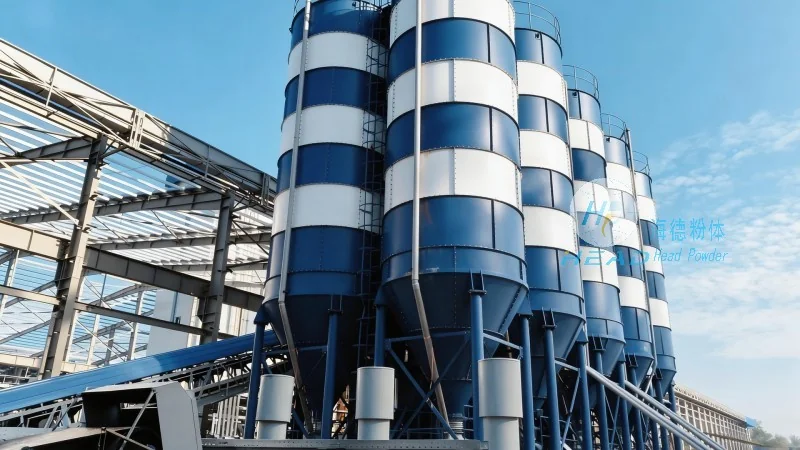
Common Methylcellulose Conveying Methods
Several conventional methods are employed for transporting methylcellulose, each with its own set of advantages and limitations. The most common approaches include:
Gravity Conveying: This method relies on the natural flow of material from a higher to a lower elevation. While simple and low-cost, it is highly dependent on the layout of the facility and is unsuitable for vertical or horizontal distances that exceed the material's natural flow characteristics.
Belt Conveyors: Belt conveyors use a continuous belt to transport material horizontally or at a slight incline. They are effective for bulk materials but may cause abrasion and dust issues with fine powders like methylcellulose, potentially leading to product contamination and equipment wear.
Bucket Elevators: These vertical or inclined conveyors use buckets attached to a chain or belt to lift material. While capable of handling vertical lifts, they can generate significant dust and require regular maintenance to prevent material buildup and mechanical failure.
HeadPowder's Pneumatic Conveying Technology: Key Advantages
Shandong HeadPowder Engineering Co., Ltd., a leading provider of specialized material handling solutions, has developed advanced pneumatic conveying systems tailored specifically for methylcellulose. The company's approach focuses on minimizing product degradation, ensuring consistent flow rates, and maintaining a clean, dust-free environment. The core advantages of HeadPowder's pneumatic conveying technology include:
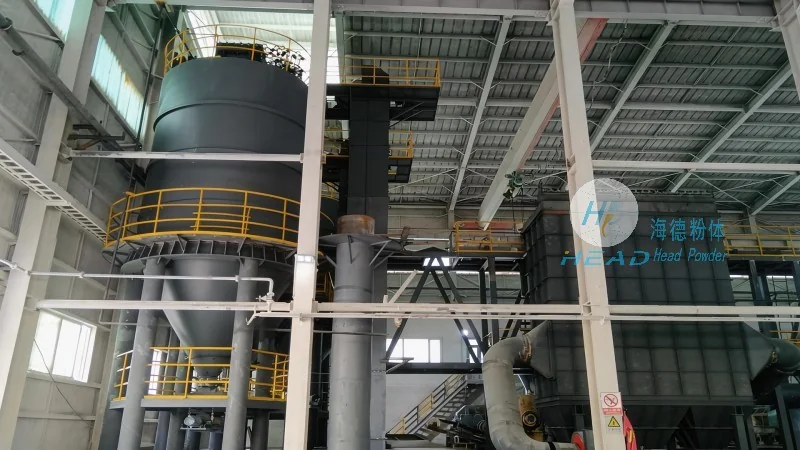
Low Product Contamination: Pneumatic systems use enclosed pipelines to transport material, preventing exposure to external contaminants and maintaining the purity of methylcellulose. This is critical for applications where product quality directly impacts end-user safety and regulatory compliance.
Efficient Flow Control: Advanced control systems allow precise regulation of air pressure and flow rates, ensuring consistent and reliable material transport. This reduces variability in downstream processes and minimizes the risk of clogging or blockages.
Reduced Dust and Health Hazards: Unlike open systems, pneumatic conveying minimizes dust generation, creating a safer working environment and reducing the need for extensive dust control measures.
Space Efficiency: Pneumatic systems can be designed to fit into compact spaces, making them ideal for facilities with limited floor area or where traditional conveyors are not feasible.
Technical Features of HeadPowder's Methylcellulose Conveying Solutions
HeadPowder's pneumatic conveying systems are equipped with several technical features that enhance performance and reliability. These include:
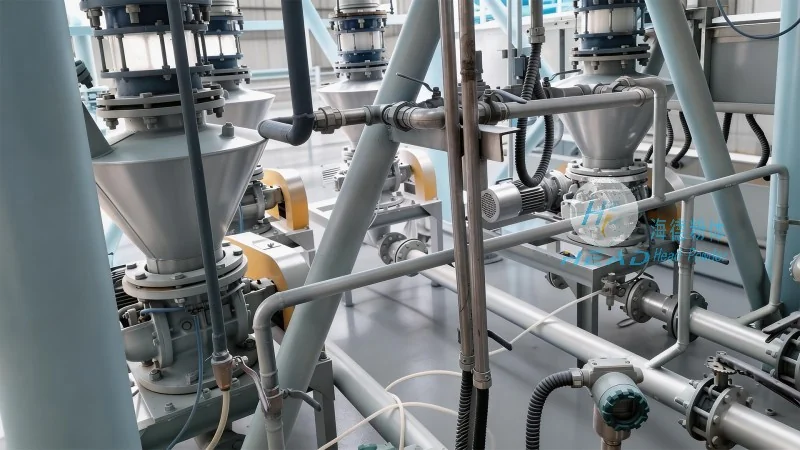
High-Pressure Air Systems: Utilizing high-pressure air to create a consistent flow of material, these systems ensure smooth and continuous transport even with fine, low-density powders like methylcellulose.
Self-Cleaning Pipeline Design: The internal design of the conveying lines prevents material buildup, reducing maintenance requirements and extending the lifespan of the equipment.
Integrated Dust Collection: Many systems incorporate advanced dust collection units to capture any particles that may escape, ensuring compliance with environmental regulations and maintaining a clean operational space.
Customizable Conveying Paths: HeadPowder can design and install systems with flexible conveying paths, allowing for integration with existing production lines and equipment.
Conclusion: Choosing the Right Conveying Solution for Methylcellulose
For manufacturers dealing with methylcellulose, selecting an appropriate conveying method is essential to protect product integrity and optimize operational efficiency. While traditional methods may offer simplicity, they often fall short in addressing the unique challenges of fine powders. HeadPowder's pneumatic conveying technology provides a robust, reliable solution that addresses these challenges, ensuring consistent quality and smooth production processes. By leveraging advanced engineering and tailored system design, HeadPowder helps companies maintain competitive advantages in their respective markets.

 Shandong Headpowder Engineering Co., Ltd.
 156-6277-7102(Quản lý Trương)
  0531-83386006
  Thành phố Tế Nam, Tỉnh Sơn Đông, Trung Quốc
Điện thoại
WeChatTư vấn
Lên đầu