Với hơn 10 năm kinh nghiệm về vận chuyển khí nén, Headpowder Sơn Đông cung cấp hệ thống, thiết bị và quạt gió toàn chuỗi, đảm nhận các dự án kỹ thuật bột trọn gói trên toàn quốc.
When it comes to handling corn grit, selecting the right conveying method is crucial for efficiency, cost-effectiveness, and operational safety. Various options exist, each with distinct characteristics that may suit different industrial applications. Understanding these common methods helps businesses make informed decisions tailored to their specific needs.
Overview of Common Corn Grit Conveying Methods
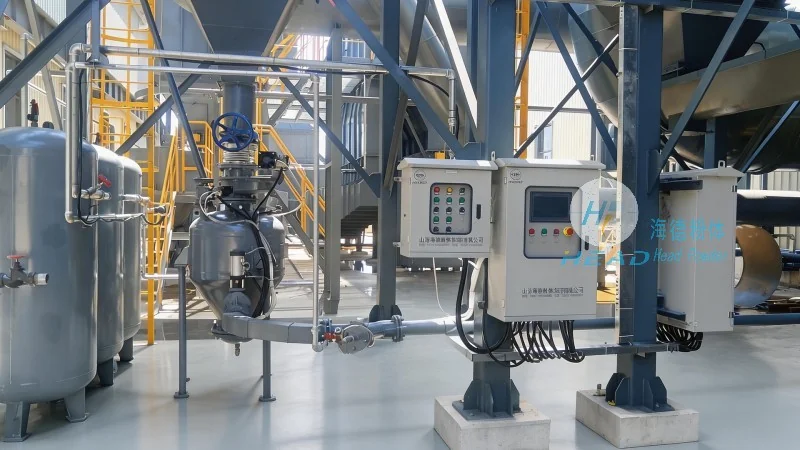
Traditional conveying systems for corn grit typically include gravity-based, mechanical, and pneumatic approaches. Gravity conveyors rely on the natural slope of the material to move it from one point to another, often requiring elevated storage or chutes. While simple and low-cost, they are limited by the need for a suitable incline and can be inefficient for long distances or steep angles. Mechanical conveyors, such as belt or screw conveyors, use mechanical components like belts or screws to transport the grit. These systems are reliable for moderate distances and can handle a wide range of materials, but they may suffer from increased wear and tear, higher energy consumption, and potential blockages in the case of sticky or abrasive grit.
HeadPowder's Pneumatic Conveying Solutions for Corn Grit
HeadPowder Engineering Co., Ltd., a leading provider of industrial conveying systems based in Shandong, China, specializes in advanced pneumatic conveying technologies tailored for corn grit applications. Their systems leverage compressed air to transport the material, offering a flexible and efficient solution that addresses many of the limitations of traditional methods. The company's expertise in designing and manufacturing custom pneumatic conveying equipment ensures that each system is optimized for the specific characteristics of corn grit, including its particle size, moisture content, and flow properties.
Key Advantages of HeadPowder's Corn Grit Pneumatic Conveying

One of the primary advantages of HeadPowder's pneumatic conveying systems is their high efficiency in moving corn grit over long distances with minimal energy consumption. Unlike mechanical systems that rely on continuous motor operation, pneumatic conveyors can operate in a pulse or continuous mode, adjusting to the material's flow rate and reducing energy waste. This efficiency translates into lower operational costs and a smaller environmental footprint, aligning with modern sustainability goals. Additionally, pneumatic systems provide excellent containment and dust control, which is critical for maintaining a clean and safe working environment, especially in food processing facilities where hygiene is paramount.
Customization and Reliability in HeadPowder's Designs
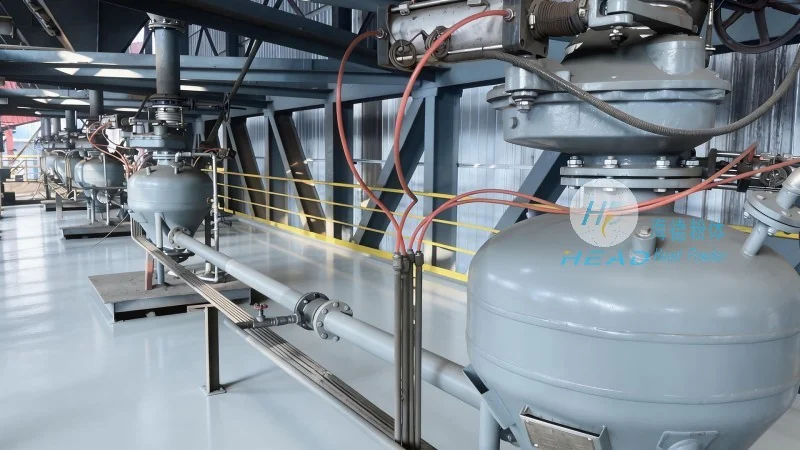
HeadPowder understands that no two corn grit processing operations are identical. Therefore, their pneumatic conveying solutions are highly customizable to meet specific operational requirements. The company offers a range of system configurations, including positive pressure, negative pressure, and hybrid designs, allowing for flexibility in handling different material characteristics and system layouts. For instance, positive pressure systems are ideal for moving grit from a central storage to multiple processing points, while negative pressure systems are suitable for collecting and transporting material from various sources to a central collection point. This adaptability ensures that clients can achieve optimal performance without compromising on reliability.
Low Maintenance and Long-Term Cost Savings
Another significant benefit of HeadPowder's pneumatic conveying systems is their low maintenance requirements. Unlike mechanical conveyors that require regular inspections and part replacements due to wear and tear, pneumatic systems use flexible hoses or pipes that are less prone to damage from abrasive materials. The absence of moving parts in the conveying line reduces the risk of mechanical failures and associated downtime. Over the long term, this translates into lower maintenance costs and higher system uptime, which are critical factors for businesses looking to maximize their return on investment. HeadPowder's commitment to quality manufacturing and rigorous testing further enhances the reliability of their systems, ensuring that clients receive durable and long-lasting equipment.
Environmental and Safety Considerations
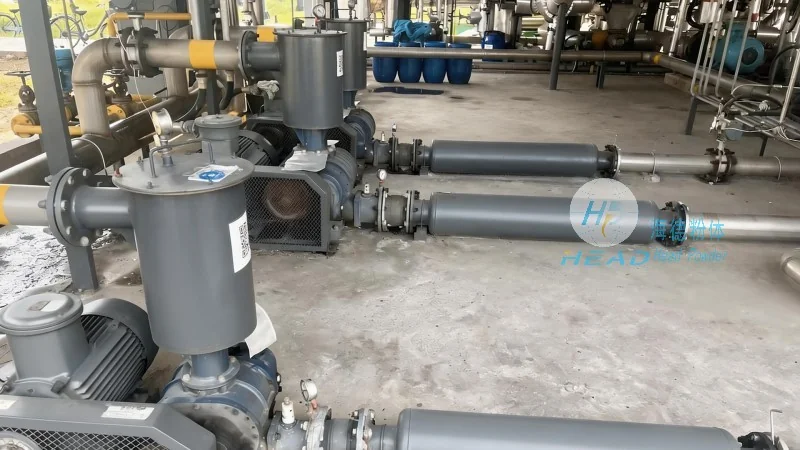
With growing emphasis on environmental responsibility and workplace safety, HeadPowder's corn grit pneumatic conveying systems are designed with these factors in mind. The systems are equipped with advanced filtration and dust collection mechanisms to minimize emissions and maintain air quality in the workplace. This not only complies with regulatory standards but also contributes to a healthier working environment for employees. Furthermore, the enclosed nature of pneumatic conveyors prevents dust from escaping into the air, reducing the risk of respiratory issues and other health hazards associated with handling fine particles like corn grit. HeadPowder's focus on safety and environmental compliance ensures that their solutions are not only efficient but also responsible and sustainable.
Conclusion and Company Information
In summary, while traditional conveying methods for corn grit have their place, modern pneumatic solutions like those offered by HeadPowder Engineering Co., Ltd. provide superior performance, efficiency, and reliability. By leveraging compressed air to transport material, these systems address the challenges of traditional methods, offering a flexible, low-maintenance, and environmentally friendly alternative. HeadPowder, based in Shandong, China, has established itself as a trusted partner in providing customized pneumatic conveying solutions tailored to the unique needs of corn grit processing industries. Their commitment to quality, innovation, and customer satisfaction ensures that businesses can achieve optimal operational performance while minimizing costs and environmental impact.

 Shandong Headpowder Engineering Co., Ltd.
 156-6277-7102(Quản lý Trương)
  0531-83386006
  Thành phố Tế Nam, Tỉnh Sơn Đông, Trung Quốc
Điện thoại
WeChatTư vấn
Lên đầu