Với hơn 10 năm kinh nghiệm về vận chuyển khí nén, Headpowder Sơn Đông cung cấp hệ thống, thiết bị và quạt gió toàn chuỗi, đảm nhận các dự án kỹ thuật bột trọn gói trên toàn quốc.
When managing sodium sulfate handling processes, selecting the appropriate pneumatic conveying system is crucial for efficiency, safety, and operational reliability. The right system can significantly enhance material transport, reduce downtime, and improve overall process performance. This guide outlines key considerations and factors to help you make an informed decision for your specific application.
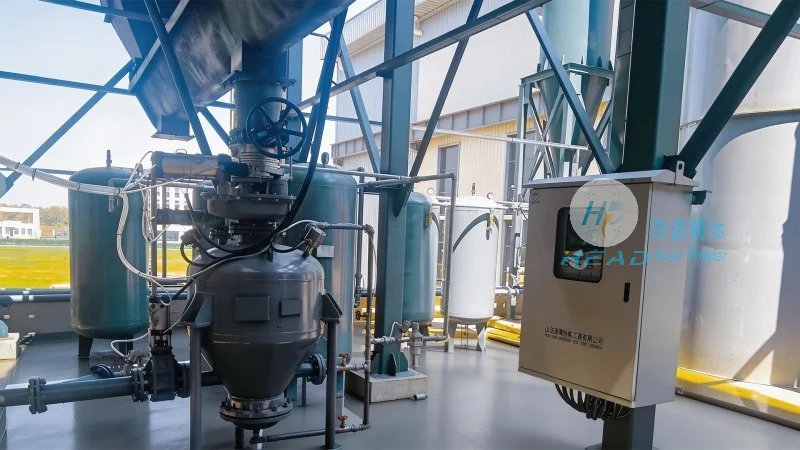
Understanding the Importance of Tailored Solutions
Every sodium sulfate handling operation has unique characteristics, such as material properties, flow rates, and environmental constraints. A one-size-fits-all approach often leads to inefficiencies or system failures. Tailoring the pneumatic conveying system to match these specific requirements ensures optimal performance and longevity. Factors like particle size, moisture content, and bulk density directly impact the choice of system design, making a customized solution essential.
Key Factors to Consider in System Selection
Several critical factors must be evaluated when selecting a pneumatic conveying system for sodium sulfate. First, the material's physical properties, including its flowability and abrasiveness, dictate the type of conveying method—whether it's pressure or vacuum-based. For sodium sulfate, which can be fine or granular, pressure systems like positive displacement or dilute phase are commonly used due to their ability to handle abrasive materials effectively. Second, the required transport distance and throughput capacity are vital. Longer distances or higher throughput may necessitate more robust systems with higher air pressure or larger duct sizes. Third, the system's integration with existing infrastructure and the need for dust control measures are also important considerations. Proper dust suppression not only improves safety but also prevents material buildup and equipment wear.
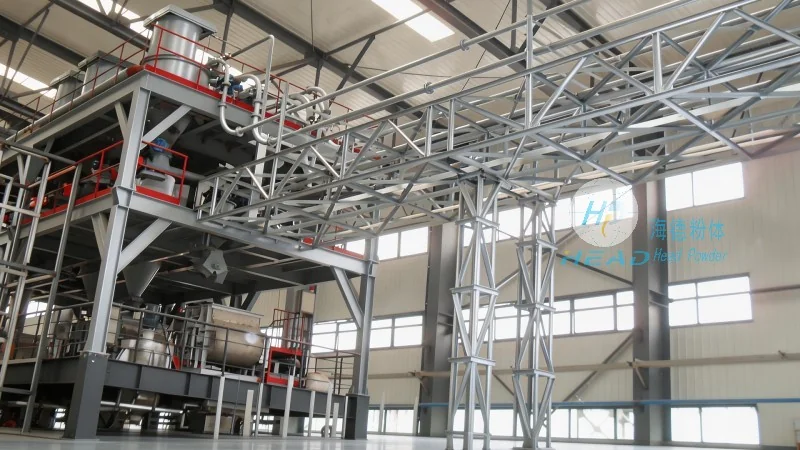
HeadPowder's Expertise in Pneumatic Conveying Solutions
Shandong HeadPowder Engineering Co., Ltd., a leading provider of industrial conveying systems, specializes in designing and manufacturing tailored pneumatic conveying solutions for sodium sulfate handling. With years of experience in the industry, HeadPowder understands the unique challenges associated with transporting sodium sulfate and offers systems that address these challenges effectively. The company's team of engineers works closely with clients to assess their specific needs, providing customized solutions that meet operational requirements and budget constraints. HeadPowder's systems are engineered for durability, efficiency, and low maintenance, ensuring long-term reliability in demanding environments.
Customization and System Components
HeadPowder's pneumatic conveying systems are highly customizable, allowing for integration with various components such as feeders, cyclones, and dust collectors. For sodium sulfate applications, the system may include a rotary valve feeder to control material flow, a venturi or rotary lobe pump for conveying, and a cyclone separator to separate the conveyed material from the air stream. The choice of components depends on the specific process requirements, such as the need for high-temperature resistance or corrosion resistance. HeadPowder's expertise in material handling ensures that each component is selected to optimize performance and minimize downtime.
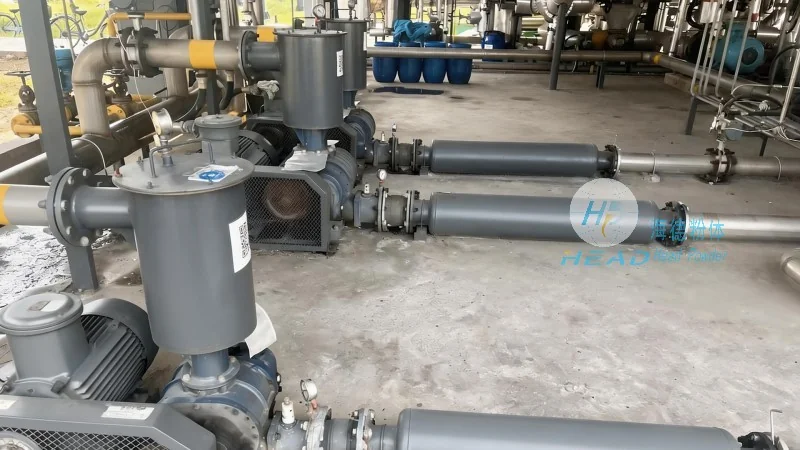
Benefits of Choosing a Specialized System
Implementing a specialized pneumatic conveying system for sodium sulfate handling offers numerous benefits. Firstly, it improves material handling efficiency by reducing transport time and minimizing material loss. Secondly, it enhances safety by controlling dust and preventing material spillage. Thirdly, it reduces operational costs through lower energy consumption and maintenance requirements. Additionally, a well-designed system can extend the lifespan of equipment by minimizing wear and tear from abrasive materials. These benefits collectively contribute to a more sustainable and profitable operation.
Conclusion and Next Steps
Choosing the right pneumatic conveying system for your sodium sulfate handling process requires careful consideration of material properties, operational requirements, and system integration. By partnering with a reputable provider like Shandong HeadPowder Engineering Co., Ltd., you can ensure that your system is tailored to your specific needs, delivering optimal performance and reliability. HeadPowder's expertise and customized solutions help clients achieve their operational goals while maintaining safety and efficiency standards. For more information or to discuss your specific requirements, contact HeadPowder today.

 Shandong Headpowder Engineering Co., Ltd.
 156-6277-7102(Quản lý Trương)
  0531-83386006
  Thành phố Tế Nam, Tỉnh Sơn Đông, Trung Quốc
Điện thoại
WeChatTư vấn
Lên đầu