Với hơn 10 năm kinh nghiệm về vận chuyển khí nén, Headpowder Sơn Đông cung cấp hệ thống, thiết bị và quạt gió toàn chuỗi, đảm nhận các dự án kỹ thuật bột trọn gói trên toàn quốc.
When designing a pneumatic conveying system for sodium fluosilicate, a comprehensive approach is essential to ensure efficiency, reliability, and cost-effectiveness. This article outlines key considerations and steps to develop an optimal system plan, focusing on the technical and practical aspects that impact performance.
Understanding the Core Requirements for Sodium Fluosilicate Pneumatic Conveying
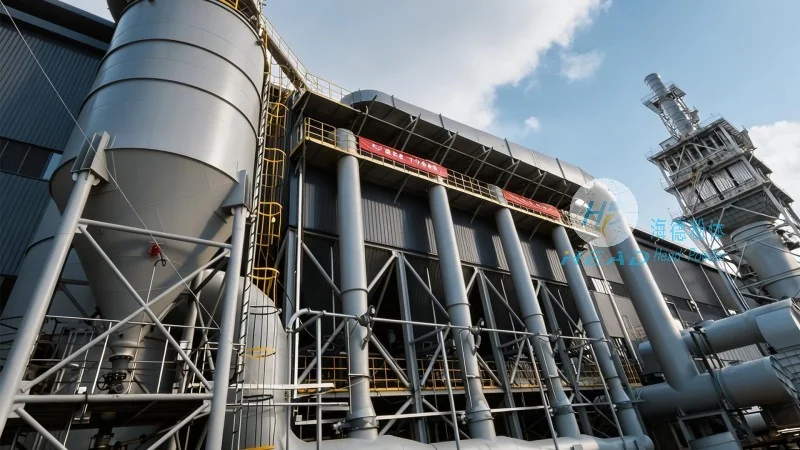
Before initiating the design process, it is crucial to define the specific requirements for the sodium fluosilicate material being handled. This includes its physical properties such as particle size distribution, bulk density, moisture content, and flowability. These characteristics directly influence the selection of the pneumatic conveying system type, as different systems are better suited for varying material behaviors. For instance, cohesive or fine-grained materials like sodium fluosilicate may require positive pressure systems to maintain flow and prevent blockages, whereas less abrasive or free-flowing materials could be suitable for negative pressure systems. Understanding these material properties is foundational to selecting the appropriate conveying method and equipment.
Choosing the Right Pneumatic Conveying System Type
The primary decision in system design is whether to use a positive pressure or negative pressure system. Positive pressure systems, where air is blown into the material to move it, are often preferred for sodium fluosilicate due to their ability to handle abrasive or sticky materials and maintain consistent flow rates. These systems typically involve a blower or compressor at the material source, ensuring that the material is propelled through the pipeline. In contrast, negative pressure systems draw material into the system using suction, which may be more suitable for applications where dust control is a priority or where the material is less abrasive. The choice between these systems depends on factors such as the distance of material transport, the number of transfer points, and the specific handling environment. For sodium fluosilicate, a positive pressure system is generally recommended to prevent material degradation and ensure efficient transport.
Designing the Pipeline Layout and Sizing
The layout of the conveying pipeline is critical to the system's performance and efficiency. The pipeline should be designed to minimize pressure drops and ensure smooth material flow. Key considerations include the length of the conveying line, the number of bends, and the elevation changes. Each bend and change in direction introduces friction and pressure loss, which can reduce the system's capacity. Therefore, the pipeline should be as straight as possible, with gradual bends and appropriate radius to maintain material velocity. The pipe size is determined by the material's flow rate, velocity, and the required pressure drop. For sodium fluosilicate, a larger diameter pipe may be needed to handle the material's bulk density and prevent clogging. Proper sizing ensures that the system operates within its optimal range, avoiding excessive energy consumption or material degradation.
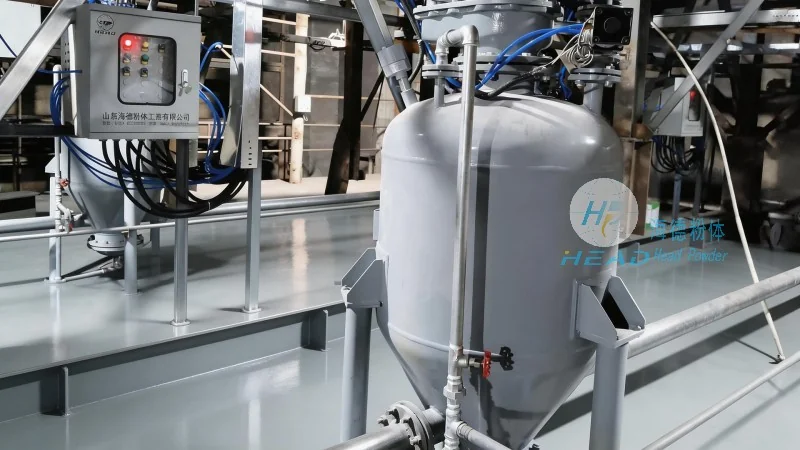
Selecting the Appropriate Air Source and Compressor
The air source, typically a blower or compressor, is a vital component of the pneumatic conveying system. The choice of air source depends on the system type and the required air volume and pressure. For positive pressure systems, a centrifugal blower or a positive displacement blower is commonly used. These devices provide the necessary pressure to move the material through the pipeline. The compressor must be sized to deliver the required airflow at the specified pressure, considering factors such as the system's total pressure drop and the material's resistance to flow. Additionally, the air source should be equipped with filters and moisture separators to ensure clean air, as contaminants can cause equipment wear and material contamination. For sodium fluosilicate, a high-quality air filtration system is essential to prevent dust buildup and maintain the material's purity.
Equipment Selection for Material Handling
Several key equipment components are required for a sodium fluosilicate pneumatic conveying system, including hoppers, feeders, and receivers. The hopper is the storage vessel where the material is loaded before being conveyed. It should be designed to prevent material bridging or caking, which can impede flow. A hopper with a conical or wedge-shaped bottom, along with a suitable discharge valve, ensures smooth material release. The feeder, such as a rotary valve or a star feeder, controls the material flow rate into the pipeline. This component must be compatible with the material's properties to avoid blockages or uneven flow. The receiver is the terminal where the material is deposited, and it should be equipped with a dust collection system to prevent environmental contamination. For sodium fluosilicate, equipment made of corrosion-resistant materials like stainless steel is recommended to handle the material's chemical properties and prevent degradation.
Control System and Automation
An effective control system is essential to manage the pneumatic conveying process efficiently. This system typically includes sensors to monitor pressure, flow rate, and material level, as well as control valves to regulate air and material flow. Automation allows for real-time adjustments to maintain optimal system performance, preventing over-pressurization or under-pressurization that could lead to material degradation or system failure. The control system should also include safety features such as pressure relief valves and emergency shut-off mechanisms to protect personnel and equipment. For sodium fluosilicate, a well-designed control system ensures consistent material delivery and reduces downtime, enhancing overall operational efficiency.
Considerations for Safety and Environmental Compliance
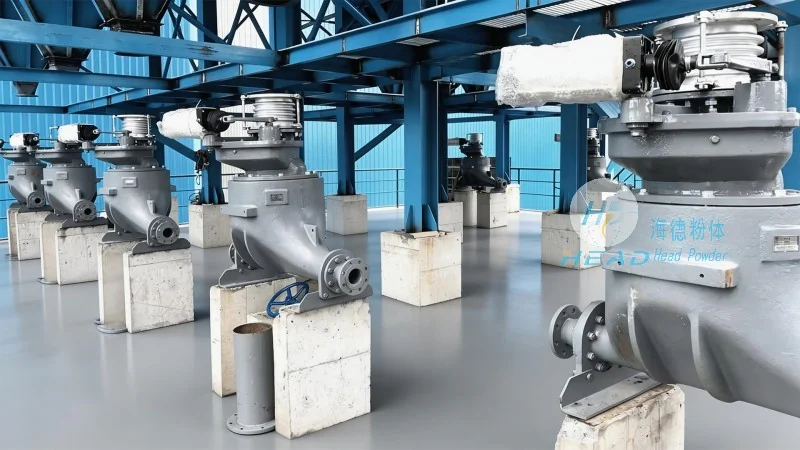
When designing a sodium fluosilicate pneumatic conveying system, safety and environmental compliance are paramount. Sodium fluosilicate is a chemical material that requires proper handling to prevent exposure and environmental impact. The system should be equipped with dust collection and filtration systems to capture and neutralize any airborne particles. Additionally, the pipeline and equipment should be designed to prevent leaks and spills, which could lead to contamination or safety hazards. Regular maintenance and inspections are necessary to ensure the system operates within safe parameters. Compliance with local regulations regarding chemical handling and emissions is also essential to avoid legal issues and maintain a safe working environment. For companies like Shandong HeadPowder Engineering Co., Ltd., based in China, adhering to these safety and environmental standards is critical to operational success and reputation.
Case Study: Implementing a Sodium Fluosilicate Pneumatic Conveying System
Shandong HeadPowder Engineering Co., Ltd., a leading provider of engineering solutions for material handling, has successfully designed and implemented a sodium fluosilicate pneumatic conveying system for a client. The project involved a positive pressure system with a 100 mm diameter pipeline, a centrifugal blower, and stainless steel equipment. The system was designed to transport sodium fluosilicate from a storage hopper to a processing plant over a distance of 200 meters with multiple transfer points. The design process included detailed material analysis, system type selection, and equipment sizing based on the client's specific requirements. The final system demonstrated high efficiency, with minimal pressure drop and consistent material flow. The client reported significant improvements in production throughput and reduced labor costs due to the automated control system. This case study highlights the importance of a well-planned design process and the expertise of companies like Shandong HeadPowder in delivering reliable pneumatic conveying solutions.
Conclusion: Key Takeaways for Designing a Sodium Fluosilicate Pneumatic Conveying System
Designing a reasonable sodium fluosilicate pneumatic conveying system requires a systematic approach that considers material properties, system type, pipeline design, equipment selection, and safety compliance. By understanding these key factors and working with experienced engineering firms like Shandong HeadPowder Engineering Co., Ltd., companies can develop an efficient and reliable system that meets their operational needs. The goal is to create a system that minimizes energy consumption, maximizes material throughput, and ensures safe and environmentally responsible operation. With proper planning and execution, a pneumatic conveying system for sodium fluosilicate can provide long-term benefits and contribute to the overall success of material handling operations.

 Shandong Headpowder Engineering Co., Ltd.
 156-6277-7102(Quản lý Trương)
  0531-83386006
  Thành phố Tế Nam, Tỉnh Sơn Đông, Trung Quốc
Điện thoại
WeChatTư vấn
Lên đầu