Với hơn 10 năm kinh nghiệm về vận chuyển khí nén, Headpowder Sơn Đông cung cấp hệ thống, thiết bị và quạt gió toàn chuỗi, đảm nhận các dự án kỹ thuật bột trọn gói trên toàn quốc.
High-temperature fine powder pneumatic conveying systems are critical in industrial applications where the efficient and safe transport of fine powders at elevated temperatures is required. These systems are widely used in sectors such as cement, chemical, and food processing, where maintaining material integrity and preventing contamination is paramount. A well-designed system not only ensures optimal performance but also minimizes operational risks and maintenance costs. This article provides a comprehensive guide to designing a reasonable high-temperature fine powder pneumatic conveying system, focusing on key factors and practical solutions.
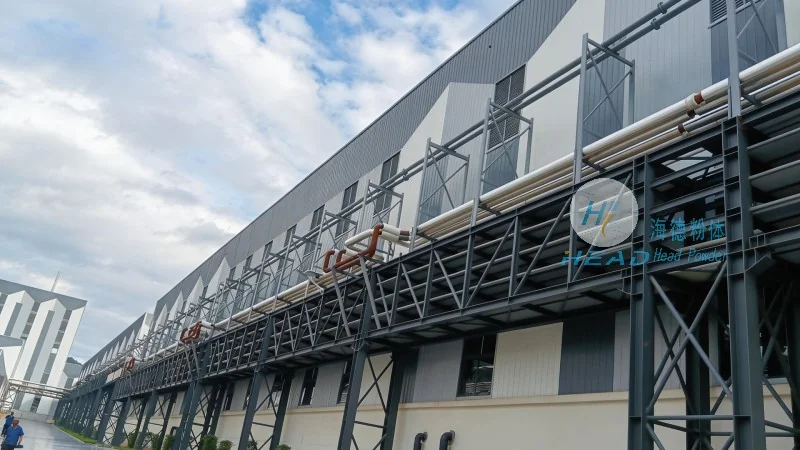
Key Design Considerations for High-Temperature Systems
When designing a high-temperature fine powder pneumatic conveying system, several critical factors must be considered to ensure reliability and efficiency. First, the material properties of the fine powder, including its particle size, moisture content, and thermal stability, play a crucial role. The temperature of the conveying medium (usually air or a gas mixture) must be carefully controlled to prevent material degradation or caking. Additionally, the system's pressure and flow rates need to be optimized to match the specific characteristics of the powder and the required transport distance. The choice of materials for components such as pipes, valves, and filters is also vital, as they must withstand high temperatures and potential corrosion from the conveyed material. Proper ventilation and cooling mechanisms are essential to maintain the system's longevity and prevent overheating.
System Components and Their Roles
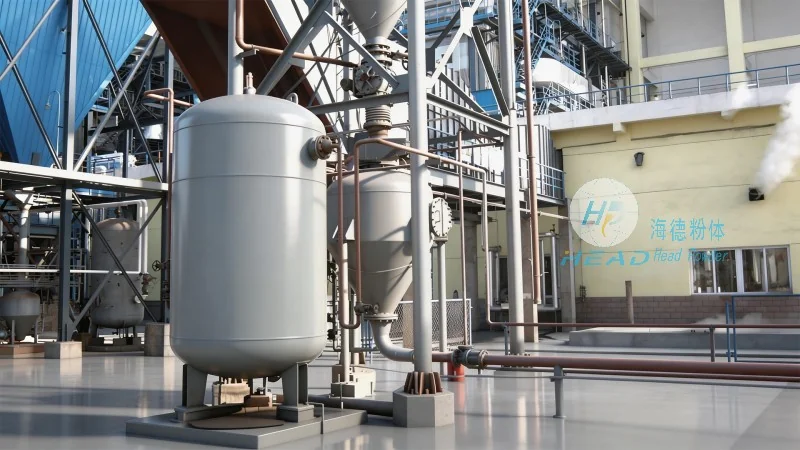
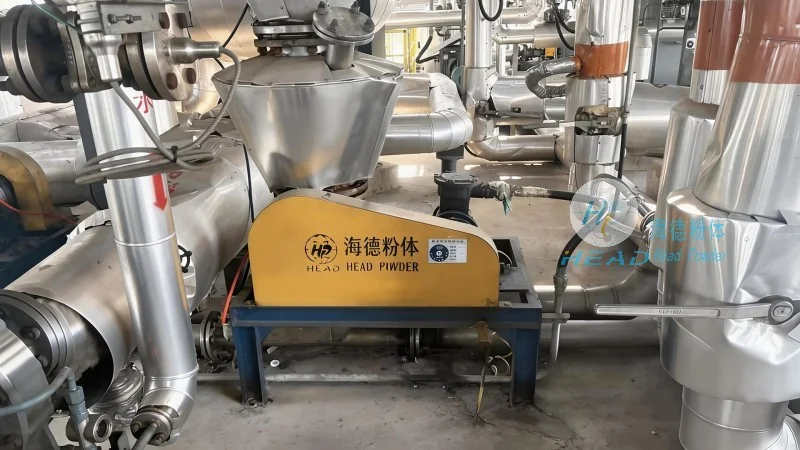
A high-temperature fine powder pneumatic conveying system typically consists of several key components, each with a specific function. The primary components include a feeding device, a conveying line, a separation unit, and a dust collection system. The feeding device, such as a rotary valve or a screw feeder, ensures a consistent and controlled flow of the fine powder into the system. The conveying line, often made of high-temperature-resistant materials like stainless steel or special alloys, transports the powder through the system. The separation unit, usually a cyclone or a bag filter, separates the powder from the conveying medium and collects it for reuse or disposal. The dust collection system ensures that any residual particles are captured, preventing environmental contamination and maintaining workplace safety. Each component must be selected and sized based on the system's operating conditions and the material being conveyed.
Design Process and Best Practices
The design process for a high-temperature fine powder pneumatic conveying system involves a systematic approach to ensure all critical aspects are addressed. The first step is to conduct a thorough analysis of the material properties and the operational requirements. This includes determining the required conveying capacity, the maximum temperature, and the distance the powder needs to travel. Next, the system layout is planned, considering the most efficient path and minimizing the number of bends and fittings, which can cause pressure losses and material deposition. Computational fluid dynamics (CFD) simulations are often used to model the system and optimize the flow characteristics. Material selection is a critical step, as components must be able to withstand the high temperatures and potential chemical interactions. Regular maintenance and monitoring are also essential to ensure the system operates within its design parameters and to detect any issues early. By following these best practices, engineers can design a system that is both efficient and reliable, meeting the specific needs of the application.
Case Study: A Successful Implementation by Shandong HeadPowder Engineering Co., Ltd.
Shandong HeadPowder Engineering Co., Ltd., a leading provider of pneumatic conveying solutions, has successfully designed and implemented high-temperature fine powder systems for various industrial clients. One notable project involved the transport of high-temperature cement clinker in a cement plant. The system was designed to handle temperatures up to 200°C and a conveying distance of over 100 meters. The engineers at HeadPowder carefully analyzed the material properties, selecting a stainless steel conveying line and a high-efficiency cyclone separator. The feeding device was optimized to maintain a consistent flow rate, ensuring smooth operation. The system has been in operation for over two years, achieving high conveying efficiency and minimal maintenance. This case study highlights the importance of a thorough design process and the expertise of experienced engineers in delivering reliable high-temperature pneumatic conveying systems.
Conclusion and Recommendations
Designing a reasonable high-temperature fine powder pneumatic conveying system requires a comprehensive understanding of the material properties, operational requirements, and system components. By carefully considering factors such as temperature control, material selection, and system layout, engineers can develop a system that is both efficient and reliable. The expertise of companies like Shandong HeadPowder Engineering Co., Ltd. is invaluable in ensuring that these systems are designed and implemented correctly. For industries dealing with high-temperature fine powders, investing in a well-designed pneumatic conveying system is essential to maintain productivity, ensure safety, and minimize operational costs. By following the best practices outlined in this article, businesses can achieve optimal performance and long-term success in their operations.

 Shandong Headpowder Engineering Co., Ltd.
 156-6277-7102(Quản lý Trương)
  0531-83386006
  Thành phố Tế Nam, Tỉnh Sơn Đông, Trung Quốc
Điện thoại
WeChatTư vấn
Lên đầu