Với hơn 10 năm kinh nghiệm về vận chuyển khí nén, Headpowder Sơn Đông cung cấp hệ thống, thiết bị và quạt gió toàn chuỗi, đảm nhận các dự án kỹ thuật bột trọn gói trên toàn quốc.
For industrial applications, the efficient and reliable transportation of guar gum powder is crucial. A well-designed pneumatic conveying system can significantly enhance production efficiency while ensuring product quality. This article provides a comprehensive guide on how to design a reasonable guar gum powder pneumatic conveying system plan, focusing on key considerations and practical steps to achieve optimal performance.
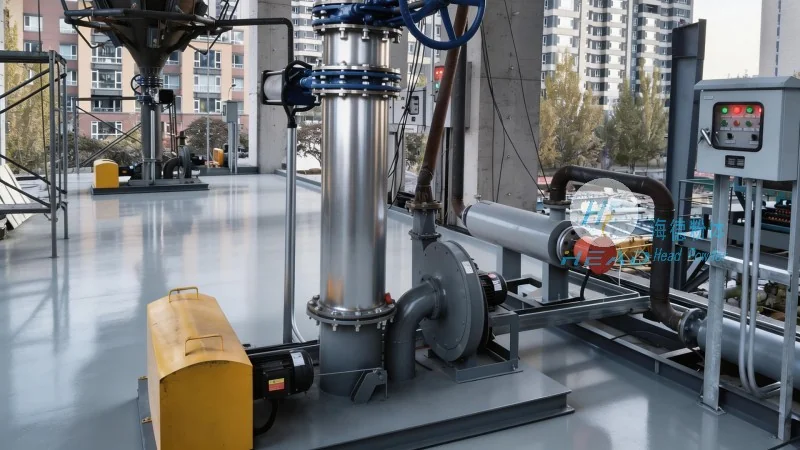
Understanding the Core Requirements for Guar Gum Powder Pneumatic Conveying
Before initiating the design process, it is essential to understand the specific requirements of the guar gum powder being handled. Guar gum is a natural polysaccharide widely used in food, pharmaceutical, and industrial applications due to its thickening and stabilizing properties. The characteristics of the powder, such as particle size, moisture content, and bulk density, directly impact the choice of pneumatic conveying system. For instance, fine powders with low bulk density may require high-pressure systems or specific airlock designs to prevent blockages and ensure smooth flow. Additionally, the intended application, whether it's for bulk handling, packaging, or processing, will dictate the system's capacity and operational parameters.
Key Factors in Pneumatic Conveying System Design
The design of a pneumatic conveying system for guar gum powder involves several critical factors that must be carefully evaluated. These include the system type (e.g., pressure or vacuum), the conveying distance and height, the required flow rate, and the environmental conditions. Pressure systems, which use positive pressure to move material, are commonly used for short to medium distances and can handle a wide range of powder types. Vacuum systems, on the other hand, are suitable for long-distance or when the material needs to be drawn from multiple sources. The selection of the system type is influenced by the specific operational needs and the physical properties of the guar gum powder. Furthermore, the design must consider the potential for material degradation, such as caking or agglomeration, which can affect system performance and product quality. Proper air filtration and moisture control are essential to maintain the integrity of the guar gum powder throughout the conveying process.
System Components and Equipment Selection
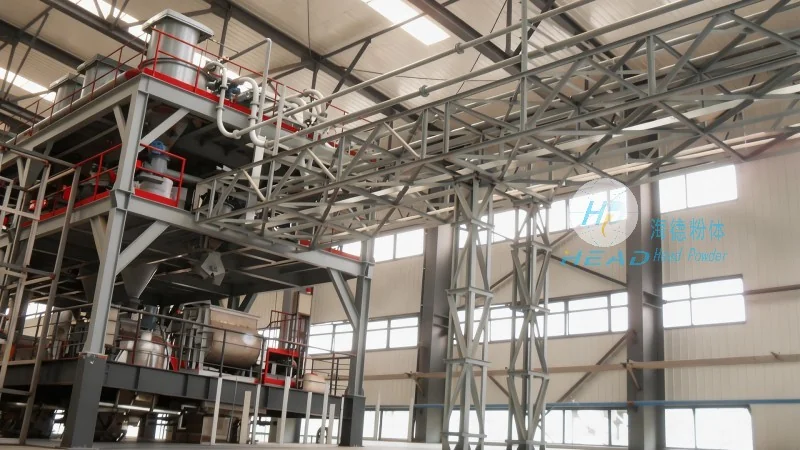
A pneumatic conveying system for guar gum powder typically consists of several key components, including a hopper, feeder, air compressor, conveying line, and receiver. The hopper is designed to store the guar gum powder and provide a consistent feed to the system. The feeder, often a rotary valve or a screw feeder, controls the flow rate of the powder into the conveying line. The air compressor generates the necessary pressure or vacuum to move the material through the system. The conveying line, usually made of stainless steel or other corrosion-resistant materials, must be able to withstand the pressure and temperature conditions while preventing material buildup. The receiver is where the guar gum powder is deposited after being conveyed. Each component must be selected based on the specific requirements of the guar gum powder and the operational conditions. For example, the hopper may need to be equipped with a deaeration system to remove trapped air, which can affect the flow of fine powders. The feeder must be capable of handling the bulk density and flow characteristics of the guar gum powder without causing blockages or uneven flow. The air compressor should be sized appropriately to provide sufficient pressure or vacuum while minimizing energy consumption. The conveying line must be designed to prevent material degradation and ensure efficient transport. The receiver should be equipped with a dust collection system to maintain a clean and safe working environment.
Design Calculations and Flow Rate Determination
Accurate design calculations are essential to ensure the pneumatic conveying system operates efficiently and reliably. The first step is to determine the required flow rate, which depends on the production capacity and the desired throughput. The flow rate is typically expressed in terms of mass per hour or volume per hour. For guar gum powder, the flow rate can be calculated based on the bulk density and the desired conveying speed. The conveying speed, or air velocity, is a critical parameter that affects the system's performance. A higher air velocity can increase the conveying capacity but may also lead to higher energy consumption and potential material degradation. The optimal air velocity for guar gum powder is usually determined through empirical data and testing. The design also involves calculating the pressure drop across the system components, which is crucial for selecting the appropriate air compressor and ensuring sufficient pressure to move the material. The pressure drop is influenced by factors such as the length and diameter of the conveying line, the number of bends, and the type of material being conveyed. Proper calculation of the pressure drop helps in selecting the right air compressor and ensuring the system operates within its design limits. Additionally, the design must consider the potential for system surges or variations in flow rate, which may require additional components such as surge hoppers or flow control devices to maintain stable operation.
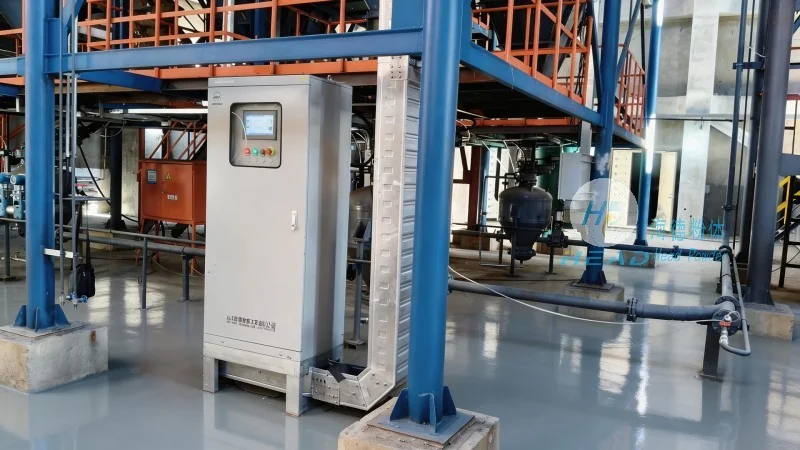
Integration with Existing Facilities and Safety Considerations
When designing a pneumatic conveying system for guar gum powder, it is important to consider its integration with existing facilities and adherence to safety standards. The system should be designed to fit seamlessly into the current production layout, minimizing the need for major structural modifications. This includes ensuring that the hopper and receiver are positioned appropriately to allow for easy access and maintenance. The system must also comply with local regulations and industry standards regarding dust control, noise levels, and material handling. Proper dust collection and filtration systems are essential to prevent airborne dust from contaminating the environment and affecting worker health. The system should be equipped with safety features such as pressure relief valves, emergency shut-off switches, and interlocks to prevent accidents and ensure safe operation. Additionally, the design should consider the potential for material buildup and blockages, which can lead to system failures or product loss. Regular maintenance and cleaning schedules should be incorporated into the system design to ensure long-term reliability and performance.
Case Study: Successful Implementation of a Guar Gum Powder Pneumatic Conveying System by Shandong HeadPowder Engineering Co., Ltd.
Shandong HeadPowder Engineering Co., Ltd., a leading provider of industrial powder handling solutions, has successfully designed and implemented a pneumatic conveying system for guar gum powder in a food processing facility. The system was designed to handle a flow rate of 10 tons per hour of fine guar gum powder over a distance of 50 meters. The system utilized a pressure pneumatic conveying design with a rotary valve feeder and a stainless steel conveying line. The air compressor was sized to provide a pressure of 0.8 MPa, ensuring sufficient force to move the material. The system was equipped with a dust collection system and a deaeration hopper to prevent material degradation and maintain product quality. The implementation of the system resulted in a significant improvement in production efficiency, with reduced downtime and increased throughput. The system also met all safety and regulatory requirements, ensuring a safe working environment for the facility's personnel. This case study highlights the importance of proper system design and the expertise of companies like Shandong HeadPowder Engineering Co., Ltd. in delivering reliable and efficient pneumatic conveying solutions for guar gum powder.
Conclusion and Recommendations
Designing a reasonable pneumatic conveying system for guar gum powder requires a thorough understanding of the material's properties, operational requirements, and system components. Key factors such as system type, conveying distance, flow rate, and equipment selection must be carefully evaluated to ensure optimal performance. Accurate design calculations and adherence to safety standards are essential to prevent system failures and maintain product quality. The integration of the system with existing facilities and regular maintenance are also critical for long-term reliability. By following these guidelines and leveraging the expertise of companies like Shandong HeadPowder Engineering Co., Ltd., industrial facilities can achieve efficient and reliable transportation of guar gum powder, enhancing overall production efficiency and product quality.

 Shandong Headpowder Engineering Co., Ltd.
 156-6277-7102(Quản lý Trương)
  0531-83386006
  Thành phố Tế Nam, Tỉnh Sơn Đông, Trung Quốc
Điện thoại
WeChatTư vấn
Lên đầu