Với hơn 10 năm kinh nghiệm về vận chuyển khí nén, Headpowder Sơn Đông cung cấp hệ thống, thiết bị và quạt gió toàn chuỗi, đảm nhận các dự án kỹ thuật bột trọn gói trên toàn quốc.
When it comes to the efficient and reliable transport of cathode materials, selecting the right method is crucial for maintaining product quality and operational efficiency in battery manufacturing processes. Various techniques are employed, each with its own advantages and applications. This article provides an overview of common transport methods, with a focus on the benefits and applications of pneumatic conveying for cathode materials.
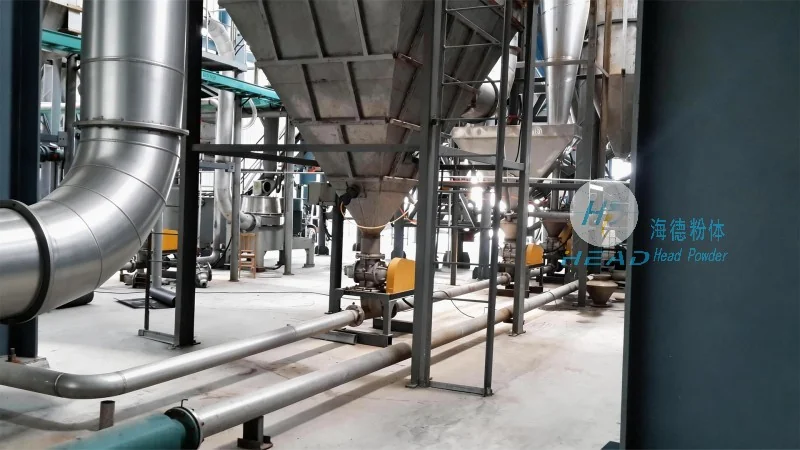
Understanding Cathode Material Transport Requirements
Before delving into specific transport methods, it is essential to understand the unique characteristics of cathode materials that influence the choice of transport system. Cathode materials, such as lithium cobalt oxide, lithium iron phosphate, and nickel manganese cobalt oxide, are typically fine powders with specific particle sizes, moisture content, and chemical properties. These factors affect how materials are handled, stored, and transported without degradation or contamination. For instance, some cathode materials are sensitive to moisture or air exposure, requiring sealed and controlled environments during transport. Additionally, the material's flowability and dustiness can impact the selection of equipment and system design.
Common Transport Methods for Cathode Materials
Several methods are commonly used to transport cathode materials, including mechanical conveying systems like screw conveyors, belt conveyors, and bucket elevators, as well as pneumatic conveying systems. Each method has its strengths and limitations, making the choice dependent on factors such as material properties, distance, throughput, and environmental considerations.
Pneumatic Conveying: A Preferred Solution for Cathode Materials
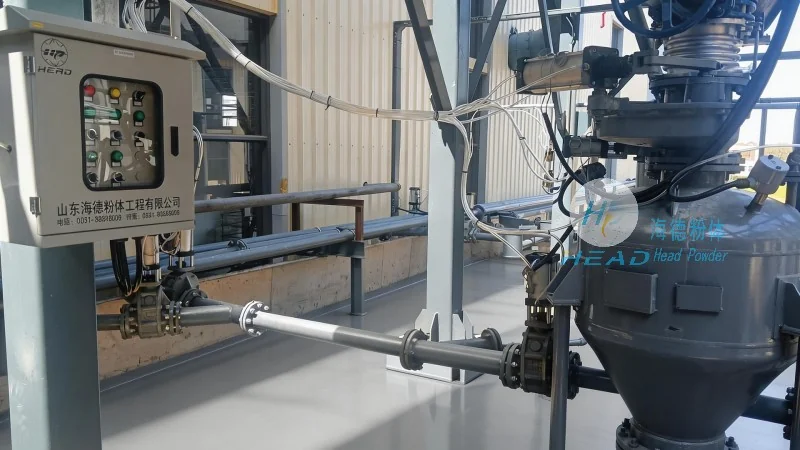
Pneumatic conveying, also known as air conveying, is a widely adopted method for transporting cathode materials due to its ability to handle fine powders, maintain product integrity, and provide flexibility in system design. This technology uses compressed air to move material through a pipeline, eliminating the need for mechanical components that might cause wear or contamination. The process involves feeding the material into a hopper, where it is then drawn into the pipeline by the air flow. The air and material mixture travels through the system, often with the aid of cyclones or filters to separate the material from the air at the destination point.
One of the key advantages of pneumatic conveying for cathode materials is its ability to handle sensitive materials without exposure to external elements. The sealed system prevents moisture, oxygen, or contaminants from entering the material, which is critical for maintaining the material's chemical stability and performance. Additionally, pneumatic systems can be designed to operate at low or high pressure, allowing for both short-distance and long-distance transport. Low-pressure systems are suitable for short distances and low throughput, while high-pressure systems are ideal for longer distances and higher material flow rates.
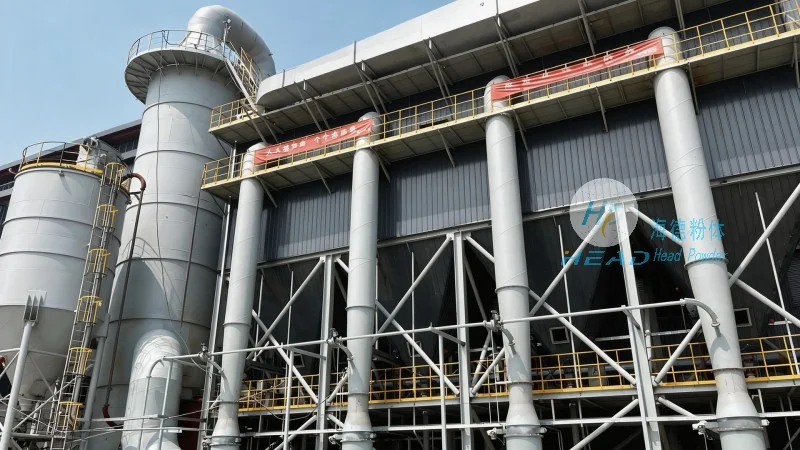
Key Components of a Pneumatic Conveying System for Cathode Materials
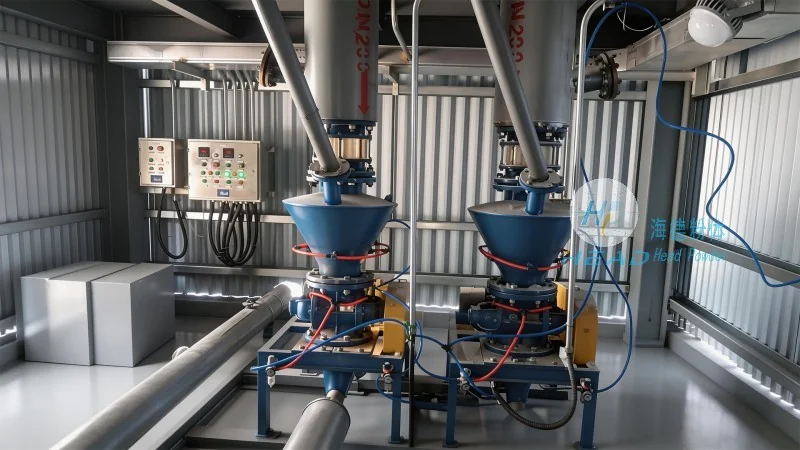
A typical pneumatic conveying system for cathode materials consists of several key components that work together to ensure efficient and reliable transport. These components include a material feeder, a compressor or blower to generate the air flow, a pipeline system to transport the material, and a separation or collection device at the end of the line. The material feeder is responsible for accurately feeding the cathode material into the system, ensuring a consistent flow rate. The compressor or blower provides the necessary pressure and airflow to move the material through the pipeline. The pipeline system is designed to handle the material's particle size and flow characteristics, with appropriate diameters and bends to minimize pressure drop and material degradation. The separation or collection device, such as a cyclone or filter, separates the material from the air and collects it in a storage or processing vessel.
Applications of Pneumatic Conveying in Cathode Material Handling
Pneumatic conveying is widely used in various stages of cathode material handling, from raw material storage and feeding to processing and packaging. In raw material storage, pneumatic systems can be used to transfer materials from bulk storage silos to processing equipment, ensuring a continuous supply without manual handling. During processing, the system can transport materials between different processing steps, such as mixing, grinding, or coating, maintaining the material's quality and preventing cross-contamination. In packaging, pneumatic conveying can be used to move finished cathode materials into packaging containers, ensuring efficient and hygienic handling.
Advantages of Pneumatic Conveying for Cathode Materials
Compared to other transport methods, pneumatic conveying offers several advantages for cathode materials. First, it provides a clean and hygienic transport environment, which is essential for maintaining the material's purity and preventing contamination. The sealed system prevents dust and particles from escaping into the environment, reducing the risk of occupational exposure and environmental pollution. Second, pneumatic conveying is flexible and can be easily integrated into existing production lines, allowing for modular system design and expansion. This flexibility enables manufacturers to adapt to changing production demands and scale their operations as needed. Third, the system is relatively low maintenance, as it has fewer moving parts compared to mechanical conveyors, reducing downtime and maintenance costs. Additionally, pneumatic conveying can handle a wide range of material properties, including fine powders, coarse particles, and mixtures, making it a versatile solution for various cathode material types.
Considerations for Implementing Pneumatic Conveying Systems
While pneumatic conveying offers many benefits, there are several considerations to keep in mind when implementing such a system for cathode materials. One of the primary considerations is the material's properties, as different materials may require specific system designs and operating conditions. For example, materials with high moisture content may require additional drying steps before transport, while materials with high dustiness may require enhanced filtration systems to prevent clogging. Another consideration is the system's capacity and throughput, as the design must match the production requirements to avoid bottlenecks or overloading. Additionally, the system's energy consumption and operational costs should be evaluated to ensure cost-effectiveness. Proper maintenance and regular inspections are also crucial to ensure the system operates efficiently and reliably over time.
Conclusion
Pneumatic conveying is a highly effective and reliable method for transporting cathode materials, offering numerous advantages in terms of product quality, system flexibility, and operational efficiency. By understanding the unique requirements of cathode materials and selecting the appropriate pneumatic conveying system, manufacturers can ensure smooth and efficient material handling throughout the battery production process. As the demand for high-performance batteries continues to grow, the importance of efficient cathode material transport will only increase, making pneumatic conveying an essential technology in the battery manufacturing industry.

 Shandong Headpowder Engineering Co., Ltd.
 156-6277-7102(Quản lý Trương)
  0531-83386006
  Thành phố Tế Nam, Tỉnh Sơn Đông, Trung Quốc
Điện thoại
WeChatTư vấn
Lên đầu