Với hơn 10 năm kinh nghiệm về vận chuyển khí nén, Headpowder Sơn Đông cung cấp hệ thống, thiết bị và quạt gió toàn chuỗi, đảm nhận các dự án kỹ thuật bột trọn gói trên toàn quốc.
When it comes to transporting gypsum particles, selecting the right conveying method is crucial for efficiency, cost-effectiveness, and operational reliability. Gypsum, a widely used material in construction and industrial applications, requires specialized handling due to its particle size, density, and flow characteristics. Among the various options available, pneumatic conveying stands out as a preferred solution for many industries. This article explores the different gypsum particle conveying methods and highlights the key advantages and features of pneumatic conveying, with a focus on the expertise of Shandong HeadPowder Engineering Co., Ltd., a leading provider in the field.
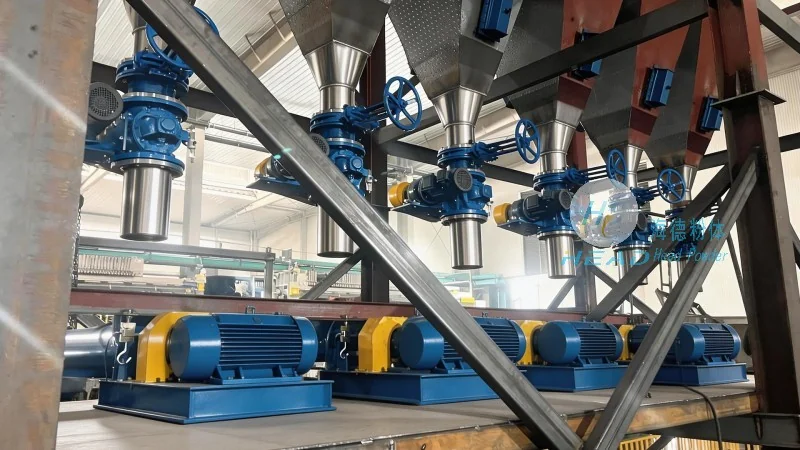
Gypsum Particle Conveying Methods Overview
Gypsum particles can be transported using several methods, each with its own set of applications and limitations. The primary methods include mechanical conveying (such as belt conveyors, screw conveyors, and bucket elevators) and pneumatic conveying. Mechanical systems are often suitable for short distances and moderate particle sizes, but they may face challenges with dust generation, maintenance, and the ability to handle fine or cohesive particles. In contrast, pneumatic conveying offers a more flexible and efficient solution for longer distances and a wider range of particle characteristics.
Pneumatic Conveying: A Comprehensive Solution
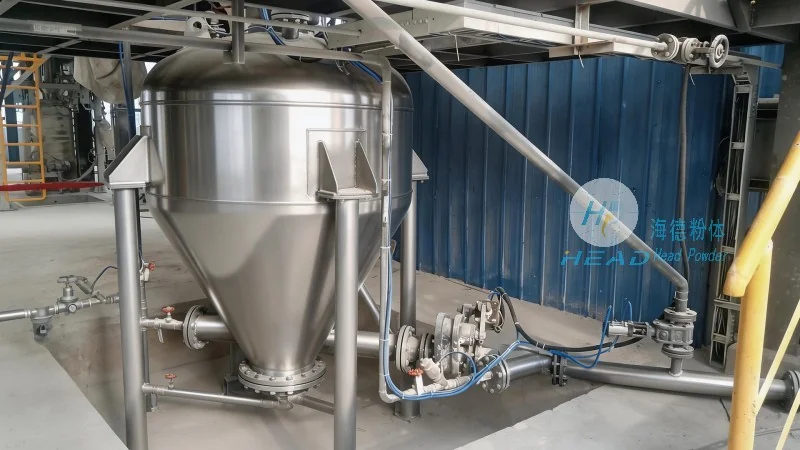
Pneumatic conveying involves the use of air or other gases to transport bulk materials like gypsum particles through a pipeline system. This method can be categorized into two main types: pressure and vacuum systems. Pressure systems use compressed air to push the material through the pipeline, while vacuum systems use a vacuum to draw the material into the system. Both types offer advantages in terms of flexibility, cleanliness, and the ability to handle fine particles without the need for additional equipment like hoppers or chutes.
Advantages of Pneumatic Conveying for Gypsum Particles
For gypsum particle handling, pneumatic conveying provides several key benefits that make it an attractive choice for many operations. First, it offers high efficiency in terms of material throughput, allowing for continuous and uninterrupted transport over long distances. This is particularly important in industrial settings where consistent production rates are essential. Second, pneumatic systems are highly flexible, as they can be easily reconfigured to accommodate changes in production volumes or process layouts. This adaptability reduces downtime and operational costs. Third, the enclosed pipeline system minimizes dust exposure, improving workplace safety and reducing the risk of contamination in the final product. Additionally, pneumatic conveying can handle fine or cohesive gypsum particles that may be difficult to transport using mechanical methods, ensuring consistent flow and preventing blockages.
Key Features of Pneumatic Conveying Systems
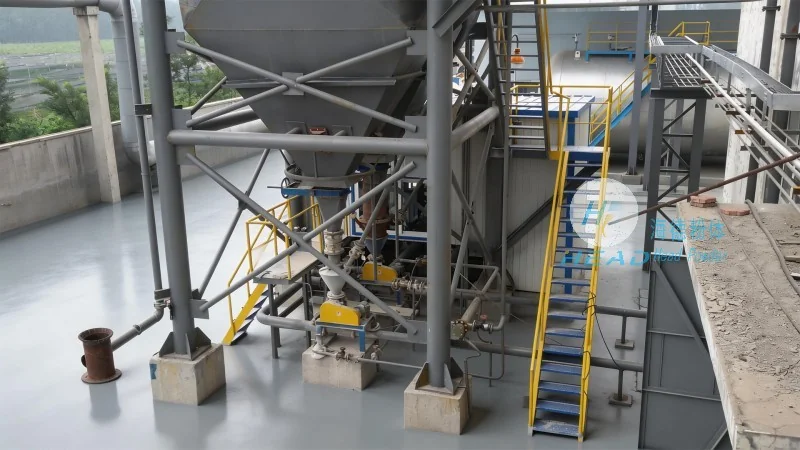
The effectiveness of pneumatic conveying systems for gypsum particles depends on several key features. One of the most critical is the design of the pipeline and the selection of appropriate components, such as airlocks, cyclones, and filters. These components ensure that the material is transported efficiently while maintaining system cleanliness. Another important feature is the control system, which regulates air pressure, flow rates, and material feed to optimize performance. Modern pneumatic systems often incorporate advanced controls, such as variable frequency drives (VFDs), to adjust air flow based on real-time demand, further enhancing energy efficiency and operational stability. Additionally, the use of high-quality materials for the pipeline and components is essential to prevent corrosion or wear, ensuring long-term reliability and minimal maintenance.
Application Examples in Gypsum Processing
Gypsum processing facilities, such as those involved in the production of gypsum board, plaster, or industrial chemicals, often rely on pneumatic conveying for material transport. For example, in a gypsum board manufacturing plant, raw gypsum ore is first crushed and ground into fine particles. These particles are then conveyed pneumatically from the grinding mill to the mixing and calcination units. The same system can be used to transport the finished gypsum products from the production line to storage or packaging areas. In industrial applications, such as the production of gypsum-based fertilizers or building materials, pneumatic conveying is used to transport raw gypsum from storage silos to processing equipment, ensuring a consistent supply of material without the need for manual handling or mechanical conveyors.
Conclusion: Choosing the Right Conveying Method
When selecting a conveying method for gypsum particles, it is essential to consider the specific requirements of the application, including distance, particle size, and operational conditions. While mechanical conveying may be suitable for short distances and coarse particles, pneumatic conveying offers superior flexibility, efficiency, and safety for most industrial applications. The advantages of pneumatic conveying, including high throughput, minimal dust generation, and the ability to handle fine particles, make it a preferred choice for many industries. Shandong HeadPowder Engineering Co., Ltd. specializes in designing and manufacturing customized pneumatic conveying systems tailored to the unique needs of each client, ensuring optimal performance and reliability in gypsum particle handling. By leveraging their expertise in pneumatic technology, companies can improve their operational efficiency, reduce costs, and enhance workplace safety in the handling of gypsum materials.

 Shandong Headpowder Engineering Co., Ltd.
 156-6277-7102(Quản lý Trương)
  0531-83386006
  Thành phố Tế Nam, Tỉnh Sơn Đông, Trung Quốc
Điện thoại
WeChatTư vấn
Lên đầu