Với hơn 10 năm kinh nghiệm về vận chuyển khí nén, Headpowder Sơn Đông cung cấp hệ thống, thiết bị và quạt gió toàn chuỗi, đảm nhận các dự án kỹ thuật bột trọn gói trên toàn quốc.
When it comes to transporting ABS particles, selecting the right conveying method is crucial for efficiency and cost-effectiveness. ABS, or acrylonitrile butadiene styrene, is a widely used thermoplastic polymer known for its durability and versatility in various industrial applications. The choice of conveying system can significantly impact production processes, material handling, and overall operational performance. This article explores the primary methods for ABS particle transport and highlights the key advantages of pneumatic conveying as a leading solution, presented by Shandong HeadPowder Engineering Co., Ltd., a company specializing in advanced material handling technologies.
Common ABS Particle Conveying Methods
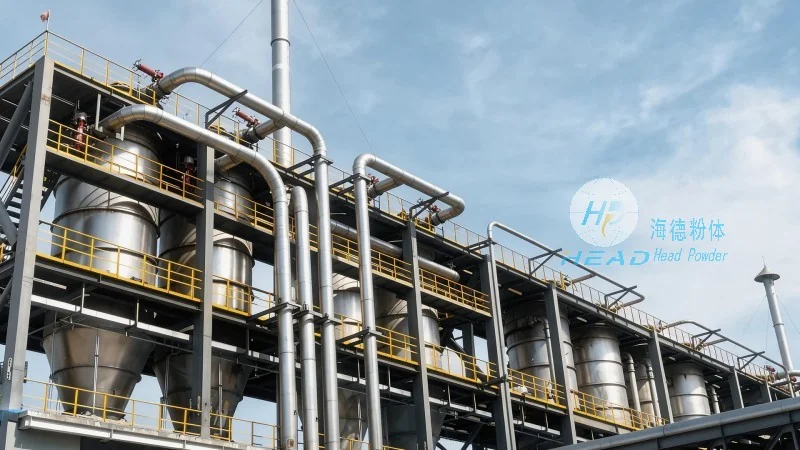
Several approaches are employed for moving ABS particles from one location to another in industrial settings. The most prevalent methods include mechanical conveying systems, such as screw conveyors and belt conveyors, and pneumatic conveying systems. Each method has its own set of characteristics, advantages, and limitations that influence its suitability for different applications.
1. Mechanical Conveying Systems
Mechanical conveyors, like screw conveyors and belt conveyors, rely on mechanical components to transport materials. Screw conveyors use a rotating screw to move particles along a trough, while belt conveyors utilize a continuous belt to transport materials over a series of rollers. These systems are often used for bulk material handling and are relatively simple to install and maintain. However, they may not be ideal for fine or abrasive particles like ABS, as they can cause wear and tear on the equipment over time. Additionally, mechanical conveyors may struggle with vertical or horizontal transport distances that exceed their design capabilities.
2. Pneumatic Conveying Systems
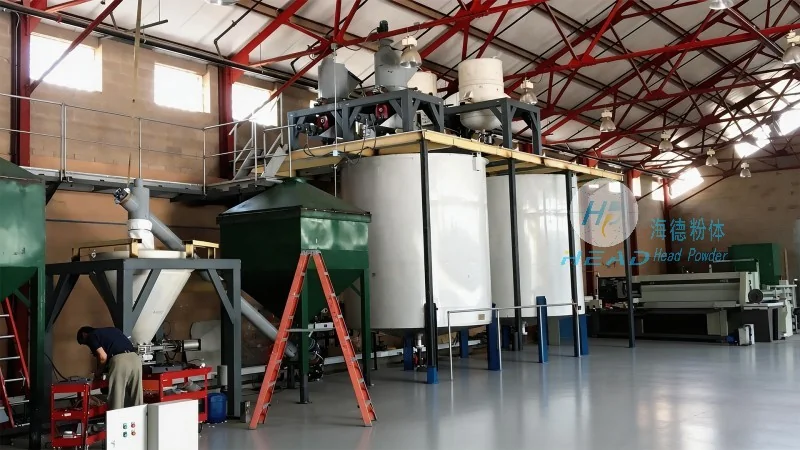
Pneumatic conveying, also known as air conveying, uses compressed air to transport materials through a pipeline. This method is particularly effective for handling fine powders and granules, including ABS particles. Pneumatic systems can be categorized into two main types: dilute-phase and dense-phase conveying. Dilute-phase systems use low air-to-material ratios, allowing for high-velocity transport over long distances. Dense-phase systems, on the other hand, use higher air-to-material ratios, resulting in slower, more controlled transport that minimizes material degradation and product loss.
Advantages of Pneumatic Conveying for ABS Particles
Among the various conveying methods, pneumatic conveying offers several distinct advantages for ABS particle transport. These benefits make it a preferred choice for many industries, including manufacturing, packaging, and material processing. The key advantages include:
1. Minimal Material Degradation
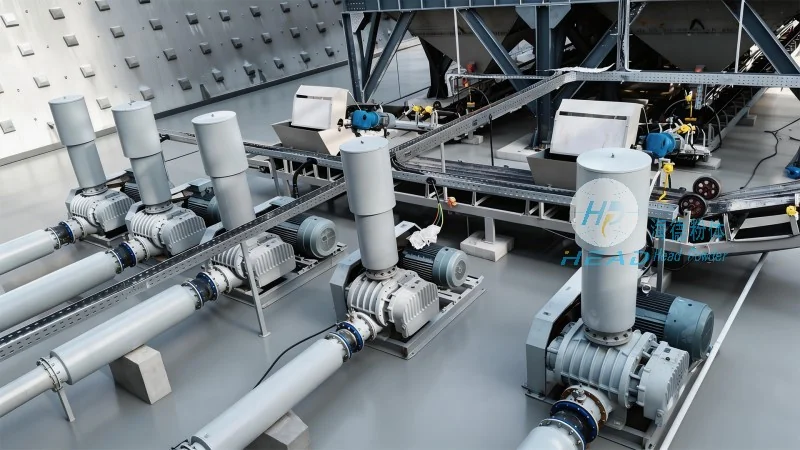
One of the most significant advantages of pneumatic conveying is its ability to minimize material degradation. Unlike mechanical systems that rely on physical contact and friction, pneumatic systems use air to move particles, reducing the risk of abrasion, breakage, or contamination. This is particularly important for ABS particles, which are sensitive to mechanical stress and can degrade if handled improperly. By maintaining a low impact environment, pneumatic conveying helps preserve the quality and integrity of the material, ensuring consistent performance in downstream processes.
2. Versatility in Transport
Pneumatic conveying systems offer exceptional versatility in terms of transport direction and distance. They can handle both horizontal and vertical transport, allowing for complex material flow paths that are difficult to achieve with mechanical systems. This flexibility is especially valuable in industrial settings where space constraints or layout requirements necessitate non-linear transport routes. Additionally, pneumatic systems can transport materials over long distances without significant loss of material or air pressure, making them suitable for large-scale operations.
3. Reduced Maintenance and Downtime
Compared to mechanical conveyors, pneumatic systems typically require less maintenance and experience lower downtime. Mechanical components, such as screws and belts, are subject to wear and tear from continuous operation, leading to frequent repairs and replacements. In contrast, pneumatic systems have fewer moving parts and rely on air pressure to operate, reducing the risk of mechanical failures. This results in lower maintenance costs and increased operational efficiency, as the system can run continuously without frequent interruptions.

 Shandong Headpowder Engineering Co., Ltd.
 156-6277-7102(Quản lý Trương)
  0531-83386006
  Thành phố Tế Nam, Tỉnh Sơn Đông, Trung Quốc
Điện thoại
WeChatTư vấn
Lên đầu