Với hơn 10 năm kinh nghiệm về vận chuyển khí nén, Headpowder Sơn Đông cung cấp hệ thống, thiết bị và quạt gió toàn chuỗi, đảm nhận các dự án kỹ thuật bột trọn gói trên toàn quốc.
Straw powder, a byproduct of agricultural activities, is increasingly being utilized in various industrial applications. The efficient and reliable transportation of this material is crucial for optimizing production processes. Among the diverse methods available for conveying straw powder, pneumatic conveying stands out as a highly effective solution. This article provides an overview of different straw powder conveying methods while focusing on the advantages and unique features of pneumatic conveying systems.
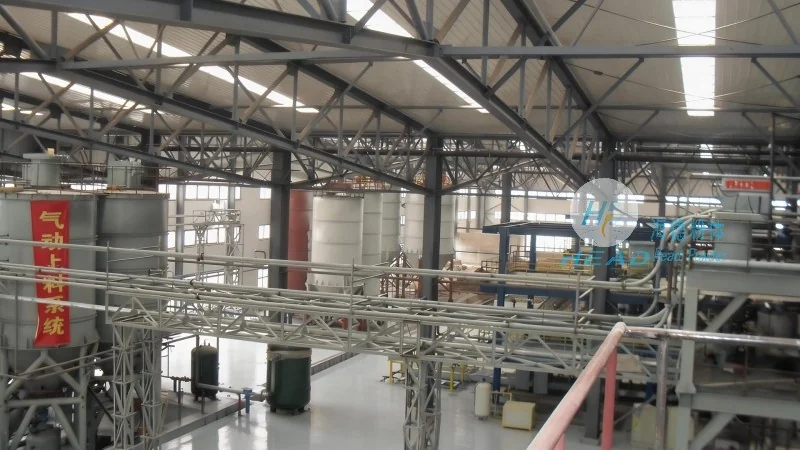
Understanding Straw Powder and Conveying Challenges
Straw powder, derived from the processing of agricultural residues like wheat, rice, or corn stalks, presents specific challenges during transportation. Its fine particle size, lightweight nature, and potential for dust generation require specialized equipment to ensure safe and efficient movement. Traditional methods such as belt conveyors or screw conveyors may struggle with the fine texture and low bulk density of straw powder, leading to issues like material degradation, blockages, and poor flow characteristics. These challenges highlight the need for advanced conveying technologies that can handle the unique properties of straw powder effectively.
Different Conveying Methods for Straw Powder
Several methods are commonly employed for the transportation of straw powder, each with its own set of applications and limitations. The primary options include mechanical conveyors, such as belt and screw conveyors, and pneumatic conveying systems. Mechanical conveyors are often used for short-distance or bulk material handling but may not be suitable for fine powders due to their limitations in handling dust and maintaining consistent flow. In contrast, pneumatic conveying systems offer a more versatile and efficient approach, particularly for fine powders like straw powder.
Pneumatic Conveying: Advantages and Features
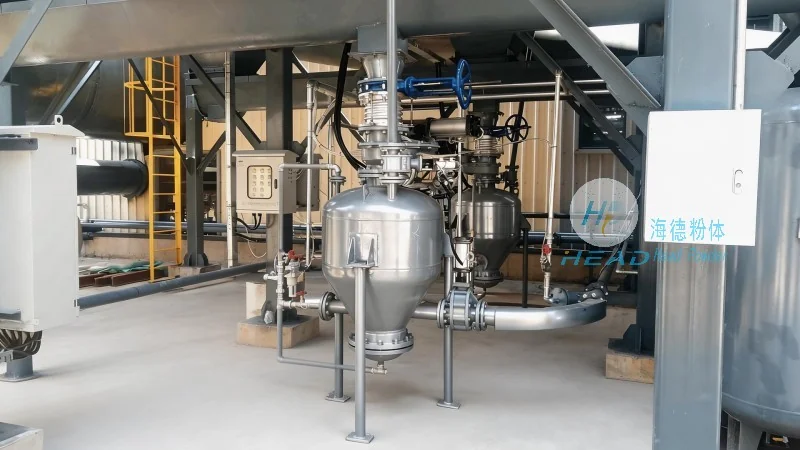
Pneumatic conveying, also known as air conveying, utilizes pressurized or vacuum air to transport materials through a pipeline. For straw powder, this method offers several distinct advantages over traditional mechanical systems. One of the key benefits is the ability to handle fine particles without the risk of blockages or material degradation. The air flow helps maintain a consistent flow rate, ensuring that the material moves smoothly through the system. Additionally, pneumatic conveying systems can operate in a closed environment, reducing dust emissions and improving workplace safety. This is particularly important for straw powder, which can be a respiratory irritant if not handled properly.
Another significant advantage of pneumatic conveying is its flexibility in terms of layout and distance. Unlike mechanical conveyors that require a fixed path, pneumatic systems can be easily reconfigured to accommodate changes in production processes or facility layouts. This adaptability makes them ideal for applications where the conveying route may need to be adjusted frequently. Furthermore, pneumatic conveying systems can integrate with other processing equipment, such as storage silos or processing units, creating a seamless material flow from source to destination.
Key Features of Pneumatic Conveying Systems for Straw Powder
When considering pneumatic conveying for straw powder, several key features contribute to its effectiveness. The system typically includes components like a hopper, feeder, air compressor, and pipeline network. The hopper is designed to store and feed the straw powder into the system, while the feeder ensures a consistent flow rate. The air compressor generates the necessary pressure or vacuum to move the material through the pipeline. The pipeline network, often made of stainless steel or other corrosion-resistant materials, is designed to withstand the abrasive nature of straw powder and maintain a smooth flow.
One of the critical features is the control system, which regulates the air pressure and flow rate to optimize material transport. Advanced control systems can adjust parameters in real-time based on the material characteristics and system performance, ensuring efficient operation. Additionally, the system may include filters and dust collection equipment to manage emissions and maintain air quality. These features collectively enhance the performance and reliability of pneumatic conveying systems for straw powder applications.
Applications and Benefits in Industrial Settings
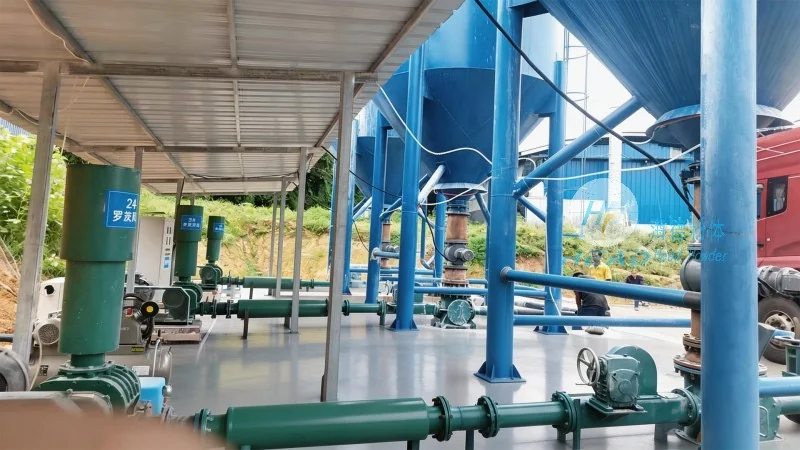
Pneumatic conveying systems are widely used in various industrial applications involving straw powder, including feed production, biofuel processing, and agricultural processing facilities. The benefits of this technology extend beyond efficient material transport to include improved safety, reduced maintenance, and enhanced process control. By minimizing manual handling and exposure to dust, pneumatic conveying systems contribute to a safer working environment. The closed system design also reduces the risk of material contamination and loss, ensuring product quality and consistency.
In terms of maintenance, pneumatic conveying systems generally require less frequent maintenance compared to mechanical conveyors. The absence of moving parts in the pipeline reduces wear and tear, leading to lower operational costs over time. Additionally, the ability to clean the system easily, especially with self-cleaning filters, helps maintain hygiene and operational efficiency. These factors make pneumatic conveying an attractive option for industries dealing with straw powder, as it offers a reliable and cost-effective solution for material handling.
Conclusion
Straw powder conveying methods play a vital role in optimizing industrial processes, and among the available options, pneumatic conveying stands out as a superior choice. Its ability to handle fine particles efficiently, maintain consistent flow, and operate in a closed environment makes it ideal for straw powder applications. The key features and advantages of pneumatic conveying systems, as highlighted in this overview, demonstrate their effectiveness in improving productivity, safety, and cost-efficiency in industrial settings. For businesses dealing with straw powder, investing in a well-designed pneumatic conveying system can lead to significant improvements in material handling and overall operational performance.

 Shandong Headpowder Engineering Co., Ltd.
 156-6277-7102(Quản lý Trương)
  0531-83386006
  Thành phố Tế Nam, Tỉnh Sơn Đông, Trung Quốc
Điện thoại
WeChatTư vấn
Lên đầu