Với hơn 10 năm kinh nghiệm về vận chuyển khí nén, Headpowder Sơn Đông cung cấp hệ thống, thiết bị và quạt gió toàn chuỗi, đảm nhận các dự án kỹ thuật bột trọn gói trên toàn quốc.
Asphalt powder, a critical component in road construction and paving applications, requires efficient and reliable transportation methods to ensure optimal performance and quality control. The choice of conveying system significantly impacts operational efficiency, material handling costs, and overall project success. This article provides a detailed comparison of common asphalt powder conveying methods, examining their respective advantages and disadvantages to help industry professionals make informed decisions.
Overview of Asphalt Powder Conveying Systems
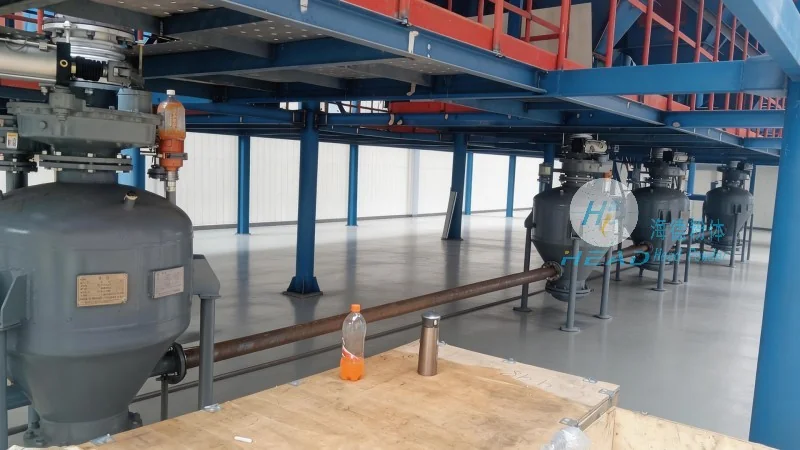
Before delving into specific methods, it is essential to understand the fundamental principles of asphalt powder conveyance. Conveying systems are designed to transport bulk materials like asphalt powder from storage or processing areas to the point of use, such as mixing plants or construction sites. The primary goal is to maintain material integrity, minimize dust generation, and ensure consistent flow rates. Various technologies have emerged to address these needs, each with unique characteristics that suit different operational requirements.
1. Pneumatic Conveying Systems
Pneumatic conveying, also known as air-powered or air-lift systems, utilizes compressed air to move asphalt powder through a network of pipes. This method is highly effective for transporting fine powders over moderate distances, typically ranging from 50 to 500 meters. The primary advantage of pneumatic conveying is its ability to handle abrasive materials without significant wear on components, as the material is suspended in air rather than sliding against surfaces. Additionally, it offers excellent dust control, as the entire system is enclosed, preventing environmental contamination and ensuring compliance with occupational health and safety regulations.
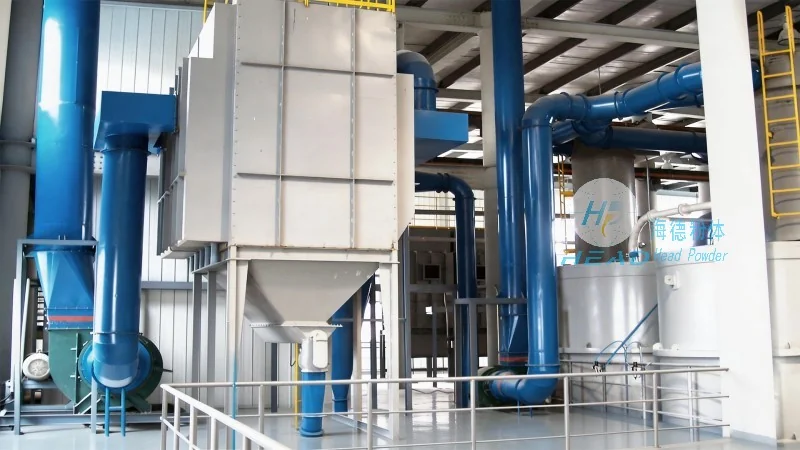
However, pneumatic conveying has notable drawbacks. The system requires substantial energy input due to the need for compressed air, leading to higher operational costs. Moreover, it is less suitable for long-distance or high-volume applications, as the pressure drop increases significantly over longer distances, reducing efficiency. Maintenance can also be more complex, as air compressors and filtration systems need regular servicing to prevent performance degradation.
2. Screw Conveyors (Auger Conveyors)
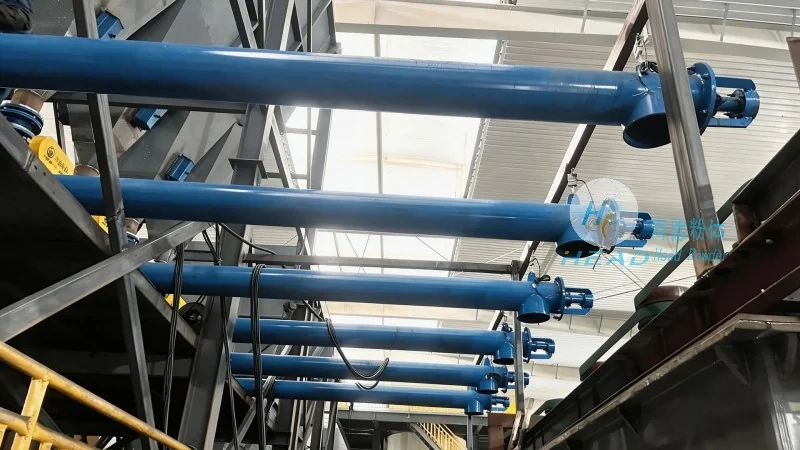
Screw conveyors, or auger conveyors, are mechanical systems that use a rotating helical screw to move asphalt powder through a trough or tube. This method is widely used for horizontal or slightly inclined transport, with typical lengths ranging from 5 to 30 meters. The primary advantage of screw conveyors is their simplicity and low maintenance requirements. They are relatively inexpensive to install and operate, making them an attractive option for smaller-scale operations or applications where space is limited. Screw conveyors also provide consistent material flow rates, which is beneficial for maintaining uniform mixing in asphalt plants.
Despite these benefits, screw conveyors have limitations. They are not suitable for very fine or abrasive powders, as the screw and trough can cause significant wear and clogging. Additionally, the system is prone to material degradation if the powder is overly dry or contains moisture, which can lead to sticking and reduced efficiency. The enclosed design helps with dust control but may not be as effective as pneumatic systems for very fine powders.
3. Belt Conveyors
Belt conveyors use a continuous belt to transport asphalt powder, typically in a horizontal or slightly inclined configuration. These systems are ideal for long-distance transport, with lengths often exceeding 100 meters and even reaching several kilometers in some industrial applications. The primary advantage of belt conveyors is their high capacity and ability to handle large volumes of material efficiently. They are also relatively low-maintenance, as the main components (belt, rollers, and frame) are robust and require minimal servicing.
However, belt conveyors have significant drawbacks, particularly for fine powders. The open design allows for dust generation and environmental contamination, which can be a major concern in compliance with environmental regulations. Additionally, the system is susceptible to material buildup on the belt and rollers, leading to reduced efficiency and increased wear over time. The initial investment cost is also higher compared to other methods, as the equipment is more complex and requires more space.
4. Hydraulic Conveying Systems
Hydraulic conveying systems utilize hydraulic fluid to transport asphalt powder through a pipeline. This method is less common but offers unique advantages, particularly for high-viscosity or abrasive materials. The primary benefit is the ability to handle materials with high solids content without clogging, as the hydraulic fluid provides consistent pressure and flow. Additionally, the system can be designed for long-distance transport with minimal pressure loss, making it suitable for applications where other methods are impractical.
However, hydraulic conveying has significant limitations. The system requires specialized equipment and expertise for installation and maintenance, as hydraulic components are more complex and prone to leaks. The cost of hydraulic fluid and associated maintenance is also higher compared to pneumatic or mechanical systems. Furthermore, the system is less effective for fine powders, as the fluid can cause agglomeration and reduce material flow rates.
5. Vacuum Conveying Systems
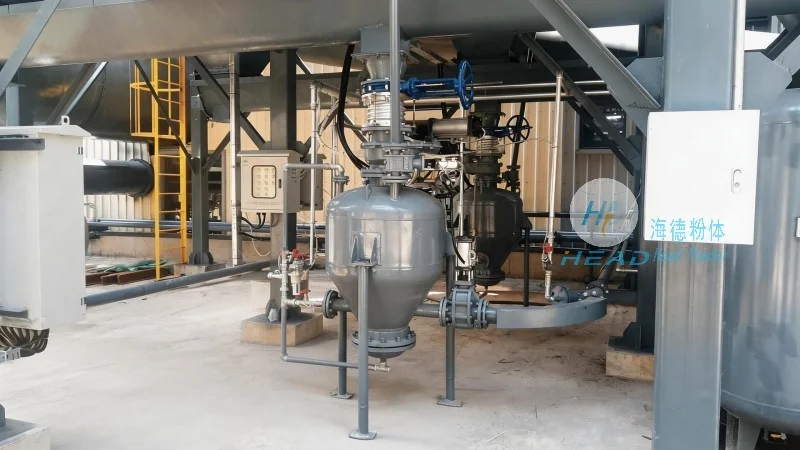
Vacuum conveying systems operate by creating a negative pressure within a pipeline to draw asphalt powder from a source to a destination. This method is particularly useful for short-distance transport, typically up to 50 meters, and is often used in applications where dust control is a priority. The primary advantage of vacuum conveying is its ability to handle fine powders without generating excessive dust, as the material is drawn into the system rather than expelled. It also offers low noise levels and minimal vibration, contributing to a safer working environment.
Nevertheless, vacuum conveying has its drawbacks. The system is less efficient for high-volume applications, as the vacuum pressure limits the flow rate and can cause material clogging if the powder is too fine or contains moisture. Additionally, the equipment is more complex and requires regular maintenance of vacuum pumps and filtration systems. The initial investment cost is also higher compared to simpler mechanical systems.
Conclusion: Choosing the Right Conveying Method
When selecting an asphalt powder conveying system, it is crucial to consider the specific operational requirements, material characteristics, and environmental constraints. Pneumatic conveying excels in dust control and handling fine powders but requires higher energy input. Screw conveyors offer simplicity and low maintenance but are limited by material abrasiveness. Belt conveyors provide high capacity but suffer from dust issues and higher costs. Hydraulic and vacuum systems offer specialized benefits but come with increased complexity and expense.
For optimal performance, many industry professionals opt for a combination of these systems or integrate advanced control technologies to enhance efficiency. The choice ultimately depends on factors such as distance, material volume, environmental regulations, and budget constraints. By carefully evaluating the advantages and disadvantages of each method, companies can select the most suitable conveying system to ensure efficient material handling and maintain the quality of asphalt powder for construction applications.
Shandong HeadPowder Engineering Co., Ltd., a leading manufacturer in the field, specializes in providing customized conveying solutions tailored to the unique needs of asphalt powder transportation. With decades of experience and a commitment to innovation, the company offers a range of high-quality conveying systems designed to meet the demands of modern road construction projects. HeadPowder's products are engineered for durability, efficiency, and compliance with industry standards, ensuring reliable performance and long-term value for clients. Based in Shandong, China, the company leverages its local expertise and global partnerships to deliver cutting-edge solutions that enhance operational productivity and sustainability in the asphalt industry.

 Shandong Headpowder Engineering Co., Ltd.
 156-6277-7102(Quản lý Trương)
  0531-83386006
  Thành phố Tế Nam, Tỉnh Sơn Đông, Trung Quốc
Điện thoại
WeChatTư vấn
Lên đầu