Với hơn 10 năm kinh nghiệm về vận chuyển khí nén, Headpowder Sơn Đông cung cấp hệ thống, thiết bị và quạt gió toàn chuỗi, đảm nhận các dự án kỹ thuật bột trọn gói trên toàn quốc.
Micro powder conveying is a critical process in many industrial applications, particularly in sectors dealing with fine powders such as pharmaceuticals, chemicals, and food processing. The efficiency and reliability of the conveying system directly impact production quality, safety, and operational costs. As a leading provider in the field, Shandong HeadPowder Engineering Co., Ltd. (hereinafter referred to as HeadPowder) offers comprehensive solutions tailored to various conveying needs. This article provides a detailed comparison of common micropowder conveying methods, highlighting their advantages and disadvantages to help industries select the most suitable option for their specific requirements.
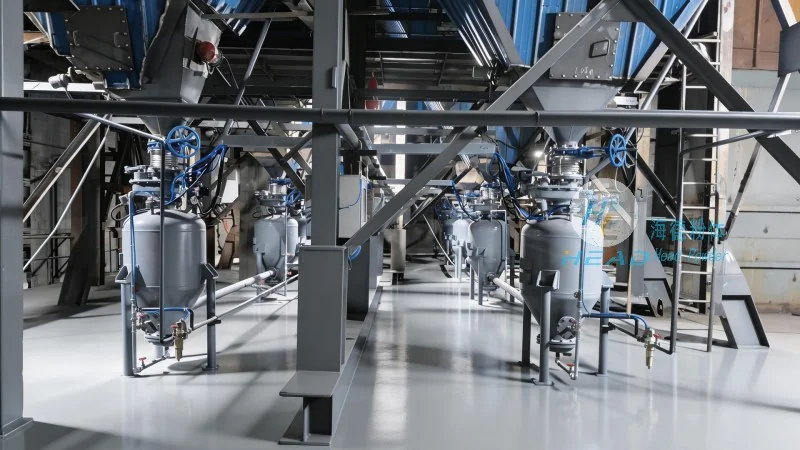
1. Air Pressure Conveying Systems
Air pressure conveying, also known as pneumatic conveying, utilizes compressed air to transport micropowders through a pipeline. This method is widely used due to its flexibility and ability to handle powders with varying properties. HeadPowder's air pressure conveying systems are designed to ensure efficient and safe powder transfer. The primary advantage of this method is its ability to convey powders over long distances without the need for complex machinery. However, it has some drawbacks, including higher energy consumption compared to other methods and potential issues with powder degradation if the system is not properly maintained. The system's performance is also dependent on the moisture content and particle size of the powder, which can affect the conveying efficiency.
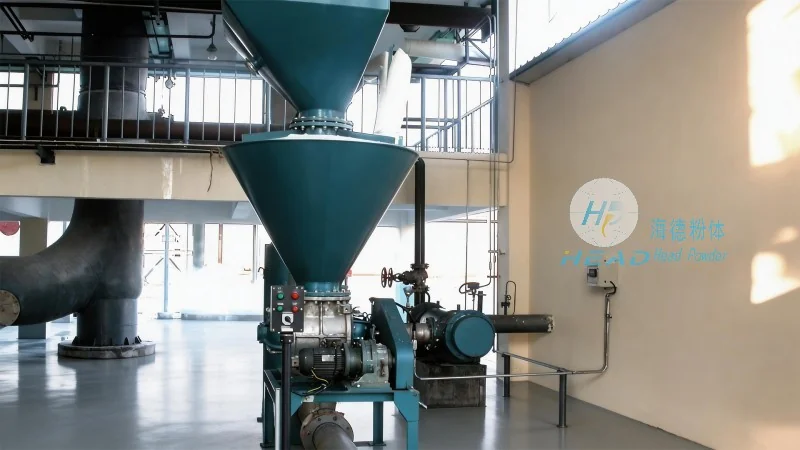
2. Vacuum Conveying Systems
Vacuum conveying systems operate by creating a negative pressure to draw powders into the conveying line. This method is particularly suitable for applications where the powder needs to be collected from multiple sources or transported over shorter distances. HeadPowder's vacuum conveying solutions are engineered to handle delicate powders, ensuring minimal product degradation. One of the key advantages of vacuum conveying is its ability to handle powders with high moisture content and fine particles without clogging the system. However, it may not be as efficient for long-distance transport as air pressure conveying, and the initial setup cost can be higher. The system also requires regular maintenance to prevent air leaks and ensure consistent performance.
3. Mechanical Conveying Systems
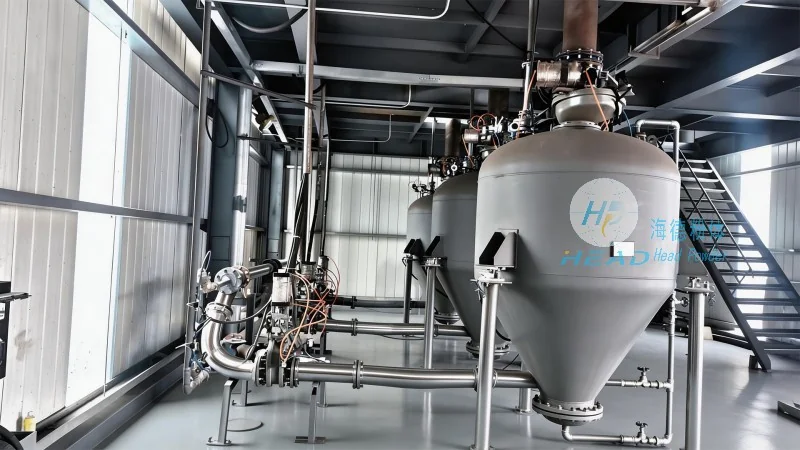
Mechanical conveying systems, such as screw conveyors and belt conveyors, rely on mechanical components to move micropowders. These systems are often used for bulk material handling and are known for their durability and reliability. HeadPowder's mechanical conveying solutions are designed to handle a wide range of powder types, from free-flowing to cohesive materials. The main advantage of mechanical conveyors is their low energy consumption and ability to operate continuously without the need for compressed air. However, they have limitations when dealing with very fine powders, as the risk of clogging and material degradation is higher. Additionally, the system's design must be carefully matched to the powder's characteristics to avoid blockages and ensure smooth operation.
4. Hybrid Conveying Systems
Hybrid conveying systems combine elements of pneumatic and mechanical methods to leverage the benefits of both. For example, a system might use a screw conveyor to transport the powder to a point where it is then pneumatically conveyed to the final destination. HeadPowder offers hybrid solutions that are highly adaptable and can handle diverse powder properties. The advantages of hybrid systems include improved efficiency for long-distance transport and the ability to handle a wider range of powder types. However, they are more complex to design and maintain compared to single-method systems. The initial investment is higher, and the system's performance is dependent on the integration of both components, which requires precise engineering.
5. Selection Criteria for Micropowder Conveying Methods
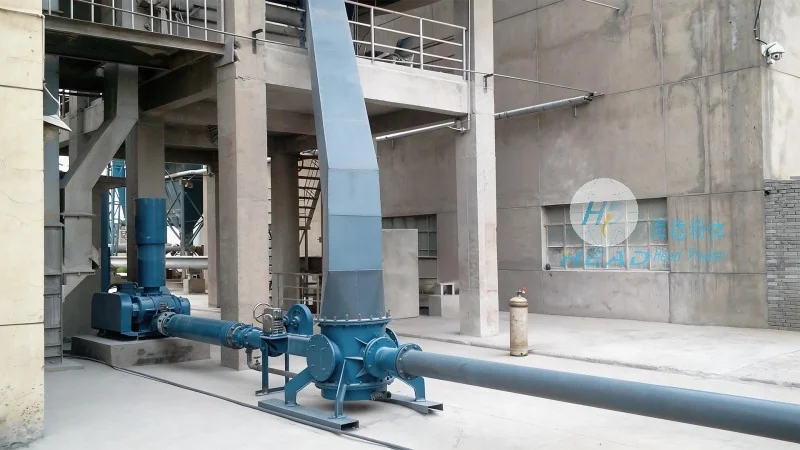
When selecting a micropowder conveying method, several factors must be considered to ensure optimal performance and cost-effectiveness. These include the powder's physical properties (particle size, moisture content, density), the required conveying distance, the desired system efficiency, and the available budget. HeadPowder provides expert consultation to help clients evaluate these factors and choose the most suitable conveying system. By understanding the specific needs of each application, HeadPowder can design customized solutions that maximize efficiency while minimizing operational costs. The company's commitment to quality and innovation ensures that clients receive reliable and long-lasting conveying systems that meet their industrial requirements.

 Shandong Headpowder Engineering Co., Ltd.
 156-6277-7102(Quản lý Trương)
  0531-83386006
  Thành phố Tế Nam, Tỉnh Sơn Đông, Trung Quốc
Điện thoại
WeChatTư vấn
Lên đầu