Với hơn 10 năm kinh nghiệm về vận chuyển khí nén, Headpowder Sơn Đông cung cấp hệ thống, thiết bị và quạt gió toàn chuỗi, đảm nhận các dự án kỹ thuật bột trọn gói trên toàn quốc.
When it comes to the manufacturing of lithium-ion batteries, the efficient and reliable transport of battery powders is a critical step. The quality and consistency of the powder handling process directly impact the performance and safety of the final battery products. Shandong HeadPowder Engineering Co., Ltd., a leading manufacturer based in China, specializes in providing advanced solutions for powder conveying in battery production. This article provides a detailed comparison of common lithium-ion battery powder conveying methods, highlighting their advantages, limitations, and suitability for different production scenarios.
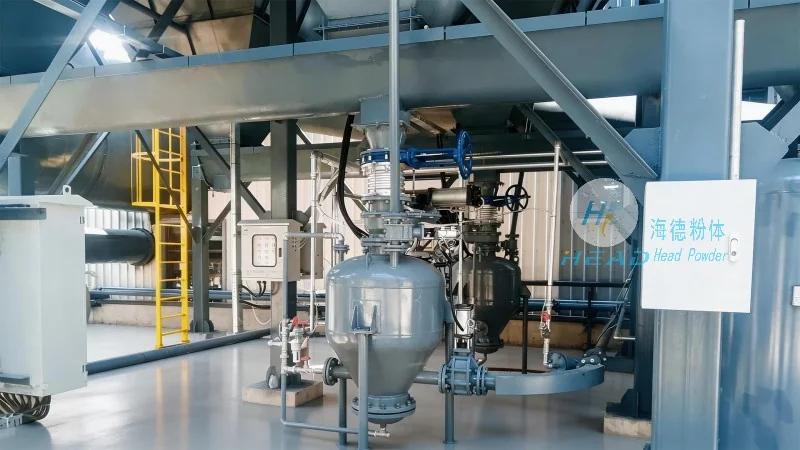
Key Factors in Choosing a Conveying Method
Before diving into specific methods, it's essential to understand the key factors that influence the selection of a powder conveying system. These factors include the powder properties (such as particle size, moisture content, and bulk density), production scale, environmental requirements, and cost considerations. The choice of conveying method must align with these factors to ensure optimal performance and minimal operational issues.
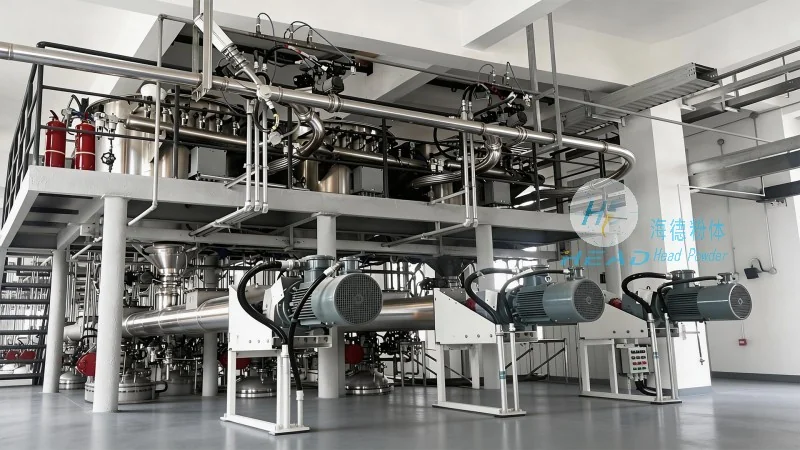
1. Air-Flow Conveying (Pneumatic Conveying)
Air-flow conveying, also known as pneumatic conveying, is a widely used method for transporting fine powders like lithium-ion battery materials. This system uses compressed air to move the powder through a pipeline. There are two main types: dilute-phase and dense-phase conveying. Dilute-phase conveying is suitable for low to medium powder flow rates and short distances, while dense-phase conveying is ideal for high flow rates and longer distances, as it minimizes particle degradation and segregation. The primary advantages of air-flow conveying include its ability to handle fine powders without mechanical contact, which reduces contamination risks. However, it requires a well-designed air system and can be less energy-efficient for large-scale operations. The system also needs proper filtration to prevent dust emissions, which is crucial for maintaining a clean and safe working environment.
2. Mechanical Conveying (Bulk Handling Equipment)
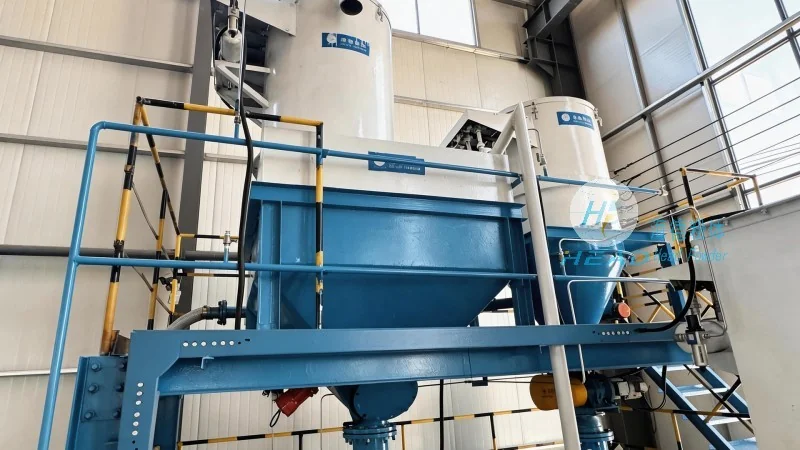
Mechanical conveying methods, such as screw conveyors, belt conveyors, and bucket elevators, are commonly used in battery powder handling. These systems rely on mechanical components to move the powder. Screw conveyors are particularly effective for handling free-flowing powders and can operate in vertical or horizontal orientations. They are simple to install and maintain but may cause particle attrition and heat generation, which can affect powder quality. Belt conveyors are suitable for transporting larger quantities of powder over longer distances and are often used in combination with other equipment for material transfer. Bucket elevators are ideal for vertical transport and can handle a wide range of powder types, including those with high moisture content. The main advantages of mechanical conveying include its reliability and low initial cost. However, it may not be suitable for very fine or cohesive powders, as these can cause blockages and reduce efficiency.
3. Hydraulic Conveying
Hydraulic conveying uses a liquid medium, typically water or a specialized fluid, to transport the powder. This method is particularly effective for handling abrasive or corrosive powders, which are common in battery production. The powder is suspended in the liquid and pumped through a pipeline. Hydraulic conveying offers high capacity and can handle large volumes of material. However, it requires a robust system to manage the liquid and prevent contamination. The main drawback is the need for additional equipment to separate the powder from the liquid, which increases operational complexity and cost.
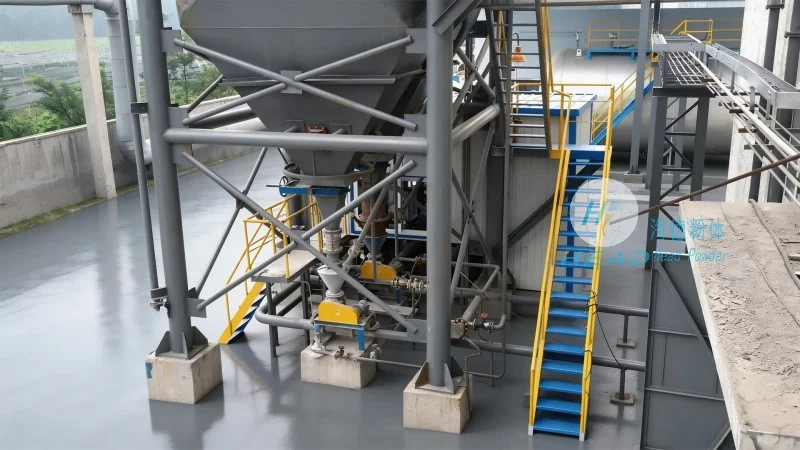
4. Vacuum Conveying
Vacuum conveying is a low-pressure system that uses a vacuum to draw the powder into a collection container. This method is ideal for handling fine powders and is often used in applications where dust control is a priority. The system operates quietly and can be integrated into existing production lines with minimal disruption. Vacuum conveying is particularly effective for transporting powders from multiple sources to a central collection point. The main advantages include its gentle handling of powders, which minimizes particle degradation, and its ability to work in confined spaces. However, it has a lower capacity compared to other methods and may not be suitable for large-scale production.
Comparative Analysis and Recommendations
When selecting a conveying method for lithium-ion battery powders, it's crucial to evaluate each option based on specific production needs. Air-flow conveying is often preferred for fine powders and applications requiring minimal mechanical contact. Mechanical conveying offers reliability and cost-effectiveness for bulk handling. Hydraulic conveying is suitable for abrasive materials, while vacuum conveying excels in dust control and gentle handling. Shandong HeadPowder Engineering Co., Ltd. provides customized conveying solutions that consider these factors, ensuring optimal performance and efficiency for battery manufacturers. By understanding the strengths and limitations of each method, companies can make informed decisions that enhance their production processes and product quality.

 Shandong Headpowder Engineering Co., Ltd.
 156-6277-7102(Quản lý Trương)
  0531-83386006
  Thành phố Tế Nam, Tỉnh Sơn Đông, Trung Quốc
Điện thoại
WeChatTư vấn
Lên đầu