Với hơn 10 năm kinh nghiệm về vận chuyển khí nén, Headpowder Sơn Đông cung cấp hệ thống, thiết bị và quạt gió toàn chuỗi, đảm nhận các dự án kỹ thuật bột trọn gói trên toàn quốc.
When it comes to handling titanium dioxide (TiO₂), a crucial pigment in various industries, selecting the right conveying method is vital for efficiency, cost-effectiveness, and product integrity. This article provides a detailed comparison of common titanium dioxide conveying methods, highlighting their advantages, limitations, and suitability for different applications. We'll explore how each method operates, its key benefits, and factors to consider when choosing the most appropriate system for your titanium dioxide handling needs.
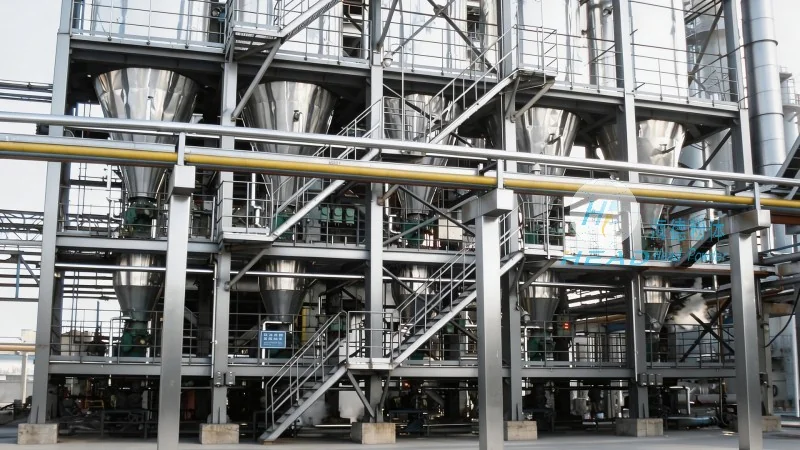
Introduction to Titanium Dioxide Conveying
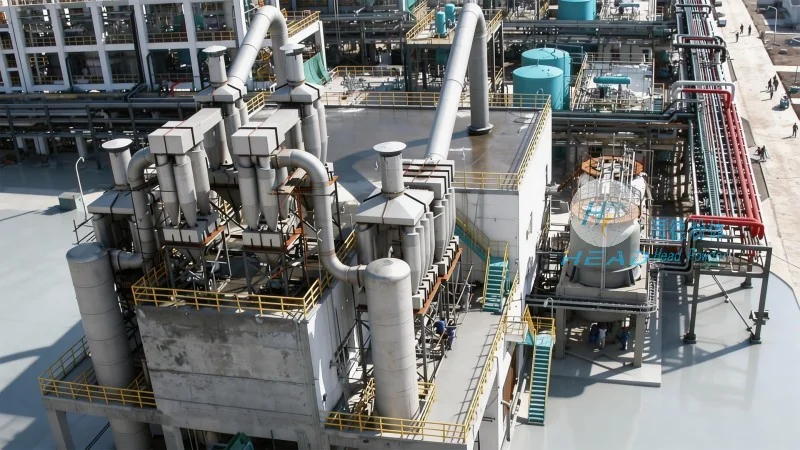
Titanium dioxide is widely used in industries such as paints, coatings, plastics, and paper due to its excellent whiteness, opacity, and UV resistance. The efficient and safe transport of this fine powder from storage to processing equipment is essential to maintain product quality and operational productivity. Conveying systems must be designed to handle the unique properties of TiO₂, including its fine particle size, hygroscopic nature, and potential for dust generation. The choice of conveying method depends on several factors, including the material's characteristics, plant layout, production scale, and budget constraints. Understanding the different options available allows manufacturers to select a system that optimizes performance while minimizing operational risks.
1. Air-Pressure Conveying (Pneumatic Conveying)
Air-pressure conveying, or pneumatic conveying, is one of the most common methods for transporting titanium dioxide. This system uses compressed air to move the powder through a pipeline. There are two main types: pressure and vacuum systems. In pressure systems, air is introduced at the inlet, creating a positive pressure that pushes the material forward. Vacuum systems use a vacuum at the discharge end to pull the material through the line. Air-pressure conveying offers several advantages, including the ability to transport materials over long distances, handle fine powders without the need for mechanical components, and integrate with existing plant infrastructure. However, it has limitations, such as the risk of dust explosions if not properly designed, and the need for regular maintenance of air filtration systems. The system's efficiency also depends on the air velocity and the material's flow properties. For titanium dioxide, air-pressure conveying is suitable for applications requiring high throughput and flexibility, such as in large-scale pigment production facilities.
2. Screw Conveyors (Auger Conveyors)
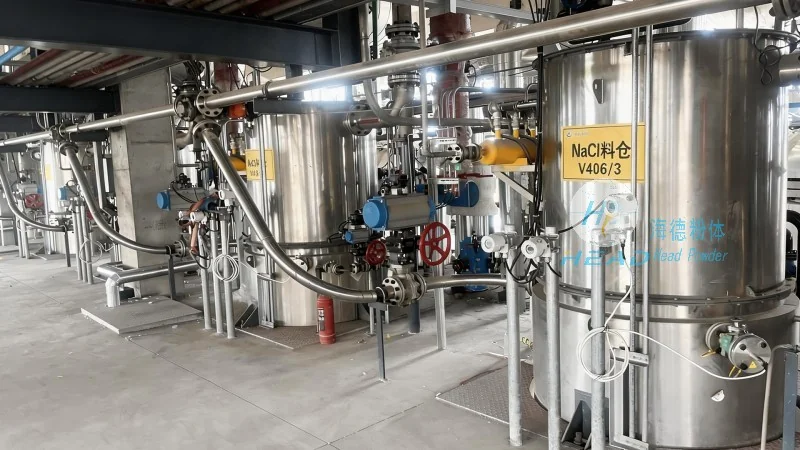
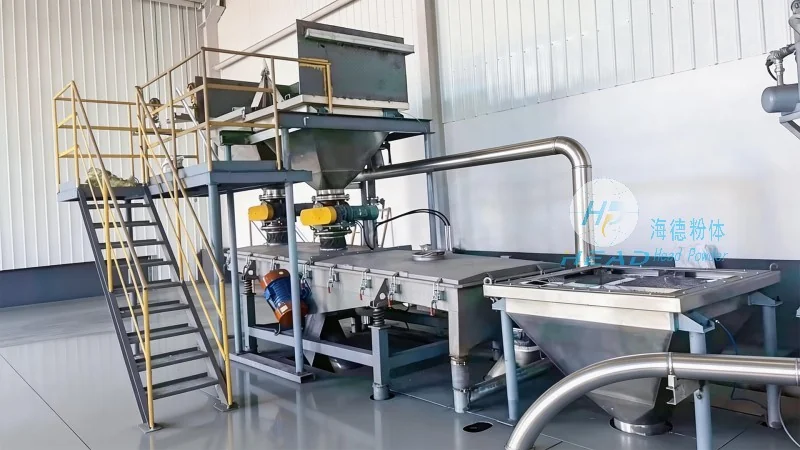
Screw conveyors, also known as auger conveyors, are mechanical devices that use a rotating screw to move material along a trough. This method is particularly effective for handling bulk materials, including titanium dioxide, in a controlled manner. The screw, typically made of stainless steel or other corrosion-resistant materials, rotates inside a trough, pushing the powder forward. Screw conveyors are simple in design, relatively low-cost, and easy to install. They are ideal for horizontal or slightly inclined transport, and can be used in both batch and continuous operations. The main advantage of screw conveyors is their ability to handle a wide range of materials, including fine powders, without the need for additional equipment. However, they have limitations, such as the risk of material bridging or clogging, especially with cohesive or hygroscopic powders like TiO₂. The system's capacity is limited by the screw speed and the trough size, and it may not be suitable for long-distance transport. Screw conveyors are commonly used in smaller-scale operations or for short-distance transport within a plant, such as moving TiO₂ from a storage silo to a processing hopper.
3. Pumping Systems (Hydraulic Conveying)
Pumping systems, also known as hydraulic conveying, use a pump to transport titanium dioxide through a pipeline, similar to how liquids are pumped. This method is particularly effective for handling wet or slurry materials, but can also be adapted for dry powders by adding a carrier liquid or using a special pump design. The pump, such as a centrifugal or positive displacement pump, creates pressure to move the material through the line. Pumping systems offer high throughput and can transport materials over long distances with minimal pressure loss. They are also relatively quiet and can handle abrasive materials without significant wear. However, they have limitations, including the need for a continuous supply of carrier liquid, which can increase operational costs, and the risk of material degradation if the pump is not properly maintained. Pumping systems are suitable for applications where long-distance transport is required, and the material can be handled as a slurry, such as in some industrial applications where TiO₂ is mixed with water or other liquids.

 Shandong Headpowder Engineering Co., Ltd.
 156-6277-7102(Quản lý Trương)
  0531-83386006
  Thành phố Tế Nam, Tỉnh Sơn Đông, Trung Quốc
Điện thoại
WeChatTư vấn
Lên đầu