Với hơn 10 năm kinh nghiệm về vận chuyển khí nén, Headpowder Sơn Đông cung cấp hệ thống, thiết bị và quạt gió toàn chuỗi, đảm nhận các dự án kỹ thuật bột trọn gói trên toàn quốc.
When it comes to the efficient handling and transportation of gelatin in industrial settings, selecting the right conveying method is crucial for maintaining product quality, ensuring operational efficiency, and minimizing downtime. As a leading provider in the field, Shandong HeadPowder Engineering Co., Ltd., commonly known as HeadPowder, has extensive experience in designing and implementing various gelatin conveying solutions. This article provides a detailed comparison of common gelatin conveying methods, highlighting their applications, advantages, and limitations to help industries make informed decisions.
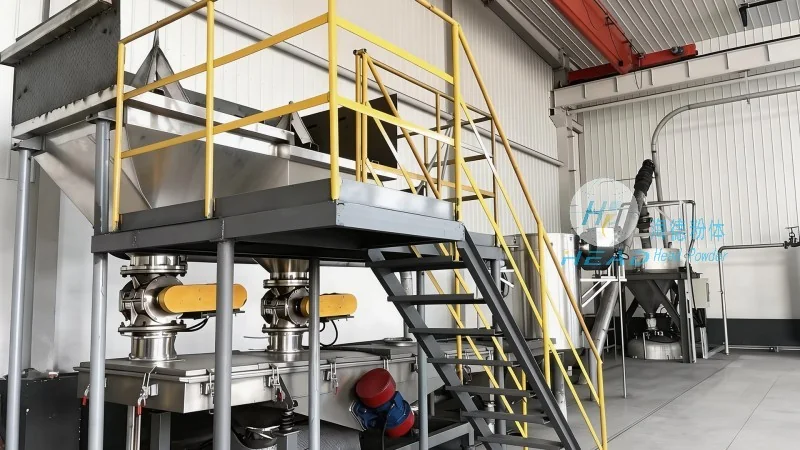
Introduction to Gelatin Conveying Systems
Gelatin, a versatile protein derived from collagen, is widely used in food, pharmaceutical, and cosmetic industries. Its handling requires careful consideration due to its hygroscopic nature and the need to preserve its quality during transportation. Conveying systems for gelatin must be designed to prevent clumping, maintain consistent moisture levels, and ensure gentle handling to avoid degradation. HeadPowder specializes in creating customized conveying solutions that address these challenges, leveraging advanced engineering and material science expertise.
1. Gravity Conveying Systems
Gravity conveying systems utilize the force of gravity to move gelatin from one point to another, typically through inclined chutes or troughs. This method is often used for short-distance horizontal or slight vertical lifts, where the material can flow under its own weight. The primary advantage of gravity conveying is its simplicity and low operational cost, as it requires minimal power and maintenance. However, its effectiveness is limited by the angle of inclination and the gelatin's moisture content; overly dry or sticky gelatin may not flow efficiently, leading to blockages or uneven flow. HeadPowder’s gravity conveying solutions are designed with smooth, non-stick surfaces and proper slope angles to optimize flow, ensuring reliable performance even with varying gelatin characteristics.
2. Mechanical Conveying Systems
Mechanical conveying systems employ mechanical components, such as screws, belts, or buckets, to transport gelatin. These systems are more versatile and can handle longer distances and steeper inclines compared to gravity systems. Screw conveyors, for instance, are widely used for gelatin due to their ability to handle dry or semi-dry materials and maintain a consistent flow rate. The mechanical action of the screw helps break up clumps and ensures uniform movement. Belt conveyors are another option, particularly for bulk gelatin handling, offering high capacity and flexibility in layout. While mechanical systems provide greater control over flow and can handle challenging materials, they require more maintenance and energy compared to gravity systems. HeadPowder’s mechanical conveying solutions are engineered with durable materials and advanced controls to minimize wear and maximize efficiency, making them suitable for high-volume production environments.
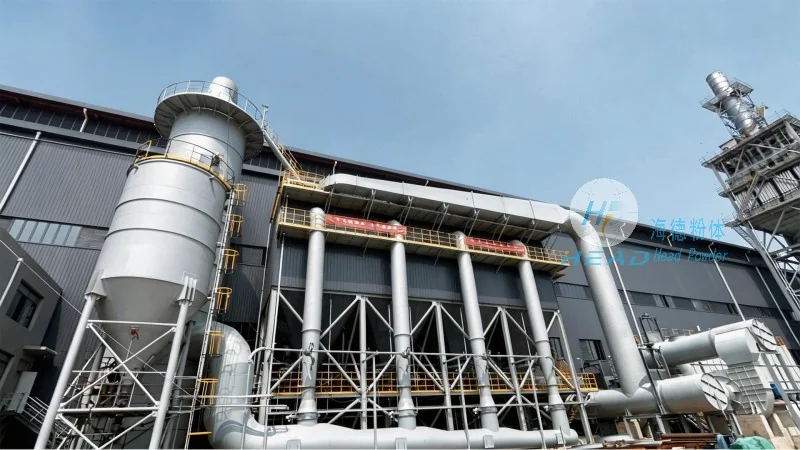
3. Pneumatic Conveying Systems
Pneumatic conveying systems use air or other gases to transport gelatin in a fluidized or suspended state. This method is ideal for handling fine or powdery gelatin, as it prevents dust and ensures a clean, dust-free transfer. Pneumatic systems can operate in both positive and negative pressure modes, allowing for flexible routing and integration with existing facilities. The main advantage of this approach is its ability to move gelatin over long distances with minimal product degradation, as the material is not in direct contact with mechanical parts. However, pneumatic systems require significant air pressure and can be more complex to install and maintain. HeadPowder offers advanced pneumatic conveying solutions with efficient air management and filtration systems, ensuring optimal performance and compliance with industry standards.
4. Hydraulic Conveying Systems
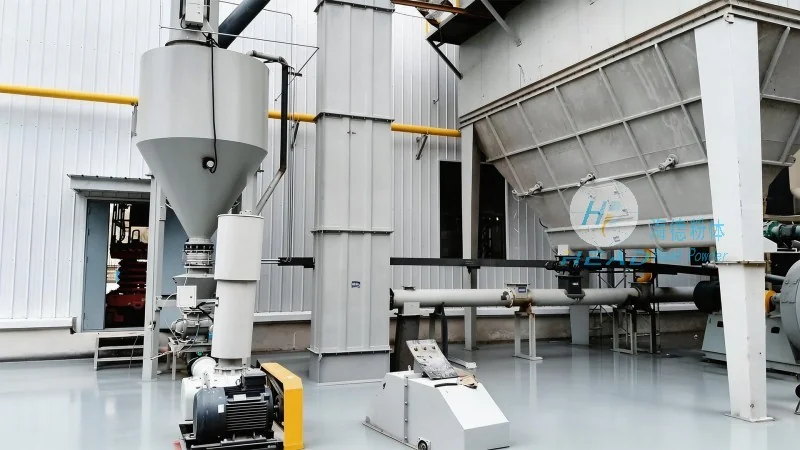
Hydraulic conveying systems utilize hydraulic fluid to transport gelatin, typically in a slurry form. This method is commonly used for high-viscosity gelatin or when transporting gelatin mixed with other liquids. The hydraulic system provides consistent pressure and flow, ensuring reliable movement even in challenging conditions. However, hydraulic systems are more complex and require specialized expertise for installation and maintenance. They are generally more expensive and less common in standard gelatin handling applications compared to other methods. HeadPowder’s hydraulic conveying solutions are designed for specific industrial needs, such as processing high-viscosity gelatin in pharmaceutical or food production lines, where precise control over flow and temperature is critical.
Choosing the Right Conveying Method for Your Application
The selection of a gelatin conveying method depends on several factors, including the material's properties (moisture content, viscosity, particle size), the distance and elevation changes, production volume, and budget constraints. For short distances and gentle slopes, gravity conveying may be sufficient. For longer distances or steeper inclines, mechanical or pneumatic systems are often more effective. The choice also considers the need for dust control, product purity, and operational flexibility. HeadPowder works closely with clients to assess their specific requirements and recommend the most suitable conveying system, ensuring optimal performance and cost-effectiveness.
Conclusion and Company Overview
In summary, each gelatin conveying method has its own advantages and limitations, and the best choice depends on the specific application and operational needs. Shandong HeadPowder Engineering Co., Ltd. (HeadPowder) is committed to providing high-quality, customized gelatin conveying solutions that meet the diverse needs of the food, pharmaceutical, and cosmetic industries. With a focus on innovation, reliability, and customer satisfaction, HeadPowder continues to lead in the development of advanced conveying technologies, helping businesses enhance their operational efficiency and product quality. Based in Shandong, China, HeadPowder leverages its local expertise and global standards to deliver solutions that drive success in the competitive gelatin processing market.

 Shandong Headpowder Engineering Co., Ltd.
 156-6277-7102(Quản lý Trương)
  0531-83386006
  Thành phố Tế Nam, Tỉnh Sơn Đông, Trung Quốc
Điện thoại
WeChatTư vấn
Lên đầu