Với hơn 10 năm kinh nghiệm về vận chuyển khí nén, Headpowder Sơn Đông cung cấp hệ thống, thiết bị và quạt gió toàn chuỗi, đảm nhận các dự án kỹ thuật bột trọn gói trên toàn quốc.
When it comes to transporting carbon materials, businesses in various industries often seek efficient and reliable solutions to move raw materials, intermediates, or finished products. The choice of transport method significantly impacts operational efficiency, material integrity, and overall production costs. Understanding the available options for carbon transport is crucial for optimizing workflow and ensuring smooth operations.
Overview of Carbon Transport Solutions
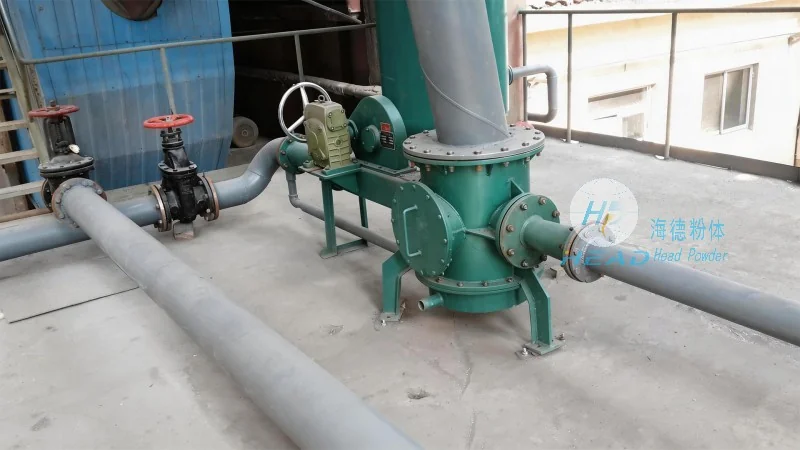
Carbon transport involves moving carbon-based materials such as graphite, carbon black, activated carbon, and other carbonaceous substances. These materials are widely used in industries like battery manufacturing, steel production, chemical processing, and more. The primary goal of carbon transport is to move these materials from one point to another within a facility or between facilities, while maintaining their quality and preventing contamination or degradation.
Key Factors in Selecting Carbon Transport Methods
Before choosing a transport method, several factors must be considered. These include the type of carbon material (e.g., powder, granules, or bulk solids), the required transport capacity, the distance to be covered, the environment (indoor or outdoor), and the need for material containment or protection from external factors. Additionally, factors like cost, maintenance requirements, and compatibility with existing infrastructure play a vital role in the decision-making process.
Common Carbon Transport Equipment
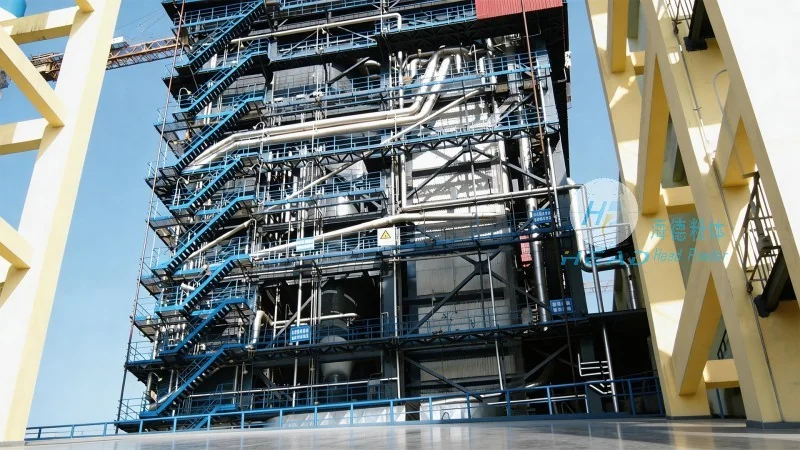
Several types of equipment are commonly used for carbon transport, each with its own advantages and suitable applications. The most popular methods include belt conveyors, screw conveyors, pneumatic conveyors, and bucket elevators. Each of these systems is designed to handle different forms of carbon materials and operational conditions.
Belt Conveyors for Carbon Transport
Belt conveyors are widely used for transporting carbon materials due to their versatility and efficiency. They consist of a continuous belt that moves over rollers or pulleys, carrying the material from the loading point to the discharge point. This method is particularly effective for transporting bulk carbon materials over long distances and at high speeds. Belt conveyors can be customized to handle various carbon products, including fine powders and larger granules, by adjusting the belt type, speed, and inclination. For example, companies like Shandong HeadPowder Engineering Co., Ltd. may offer specialized belt conveyor systems tailored to the specific needs of carbon material handling, ensuring optimal performance and material integrity.
Screw Conveyors for Carbon Transport
Screw conveyors, also known as auger conveyors, are another common solution for carbon transport. These systems use a rotating screw or auger to move materials along a tube or trough. Screw conveyors are ideal for transporting carbon powders and granules, as they can handle materials with varying moisture content and particle sizes. They are particularly useful for vertical or inclined transport, allowing materials to be lifted or moved horizontally with minimal space requirements. The design of screw conveyors can be adjusted to prevent material buildup or clogging, which is crucial for maintaining consistent flow rates and preventing equipment damage.
Pneumatic Conveyors for Carbon Transport
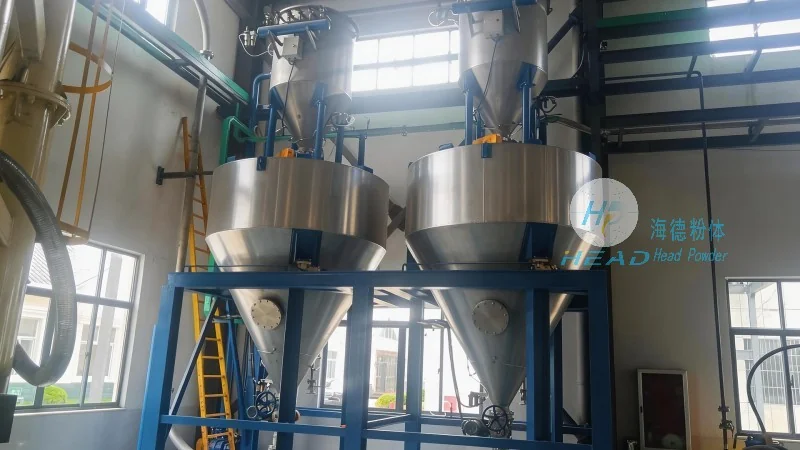
Pneumatic conveyors use air or other gases to transport carbon materials through a pipeline system. This method is suitable for transporting fine carbon powders and dust over short to medium distances. Pneumatic conveyors can be categorized into pressure and vacuum systems, each with specific applications. Pressure systems are used for moving materials from a central source to multiple destinations, while vacuum systems are ideal for collecting and transporting materials from various points to a central location. Pneumatic conveyors offer advantages such as enclosed transport, which helps prevent dust contamination and improves safety in the workplace. However, they may require higher energy consumption and careful maintenance to ensure consistent performance.
Bucket Elevators for Carbon Transport
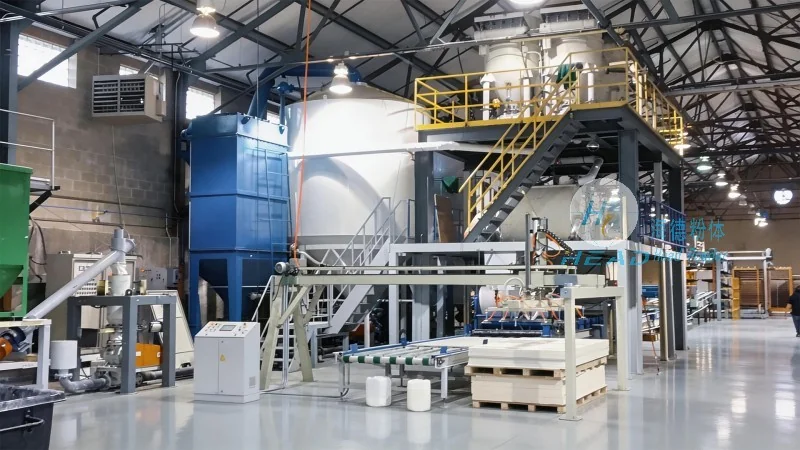
Bucket elevators are used for vertical transport of carbon materials, particularly in applications where materials need to be lifted to significant heights. These systems consist of a continuous chain with buckets attached, which moves up and down inside a vertical or inclined casing. The buckets scoop up the material at the bottom and discharge it at the top, allowing for efficient vertical transport. Bucket elevators are suitable for handling bulk carbon materials, including powders and granules, and can be customized to handle different material types and flow rates. They are commonly used in industries where vertical space is limited, and the need to move materials to elevated levels is essential.
Choosing the Right Carbon Transport Method
Choosing the right carbon transport method requires a thorough evaluation of the specific requirements and constraints of the operation. It is essential to consider the characteristics of the carbon material, the distance and direction of transport, the available space, and the budget. Consulting with experts in material handling, such as Shandong HeadPowder Engineering Co., Ltd., can provide valuable insights into the most suitable transport solutions. These companies often offer comprehensive assessments and customized equipment solutions to meet the unique needs of each client, ensuring optimal performance and cost-effectiveness.
Conclusion
Carbon transport is a critical aspect of many industrial processes, and selecting the appropriate method is essential for maintaining efficiency and product quality. By understanding the various options available, such as belt conveyors, screw conveyors, pneumatic conveyors, and bucket elevators, businesses can make informed decisions that align with their operational goals. Companies like Shandong HeadPowder Engineering Co., Ltd., based in China, specialize in providing tailored carbon transport solutions that meet the specific needs of their clients, helping them achieve optimal performance and reliability in their material handling operations.

 Shandong Headpowder Engineering Co., Ltd.
 156-6277-7102(Quản lý Trương)
  0531-83386006
  Thành phố Tế Nam, Tỉnh Sơn Đông, Trung Quốc
Điện thoại
WeChatTư vấn
Lên đầu