Với hơn 10 năm kinh nghiệm về vận chuyển khí nén, Headpowder Sơn Đông cung cấp hệ thống, thiết bị và quạt gió toàn chuỗi, đảm nhận các dự án kỹ thuật bột trọn gói trên toàn quốc.
When it comes to transporting biomass pellets efficiently and reliably, selecting the right conveying method is crucial for optimizing operational performance and ensuring the integrity of the material. Biomass pellets, derived from renewable sources like wood chips, agricultural residues, or other organic feedstocks, require specialized equipment to handle their unique properties such as density, moisture content, and flow characteristics. The choice of conveying system directly impacts production efficiency, material handling costs, and overall plant safety. This article explores the common methods used for biomass pellet conveying, highlighting the key features and applications of each approach.
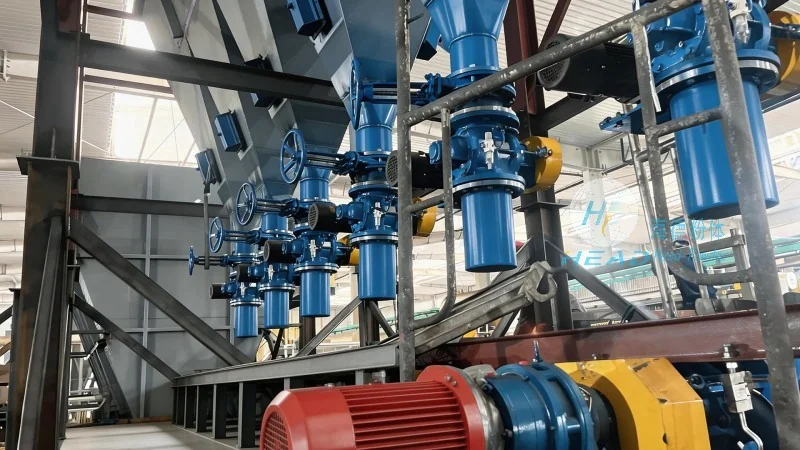
1. Screw Conveyors for Biomass Pellet Transport
Screw conveyors, also known as auger conveyors, are one of the most widely used equipment for biomass pellet conveying. These systems consist of a rotating helical screw inside a cylindrical housing, which moves material along the length of the conveyor. The design allows for vertical or horizontal transport, making them versatile for various industrial applications. Screw conveyors are particularly effective for handling bulk materials with moderate to high bulk density, such as biomass pellets. They offer advantages like low maintenance requirements, compact design, and the ability to operate in both upward and downward directions. The smooth surface of the screw reduces friction and prevents material degradation, ensuring that the pellets remain intact during transport. For biomass pellet processing plants, screw conveyors are often used to transfer pellets from storage silos to processing units or to feed them into pellet mills. The continuous operation of screw conveyors ensures a steady flow of material, minimizing downtime and enhancing production throughput. Additionally, these conveyors can be equipped with variable speed drives to adjust the conveying rate based on production demands, providing flexibility in operation. The robust construction of screw conveyors, typically made from stainless steel or corrosion-resistant materials, ensures durability in environments where biomass pellets may have varying moisture levels or contain abrasive particles. This makes screw conveyors a reliable choice for long-term use in biomass pellet handling systems.
2. Pneumatic Conveying Systems for Biomass Pellets
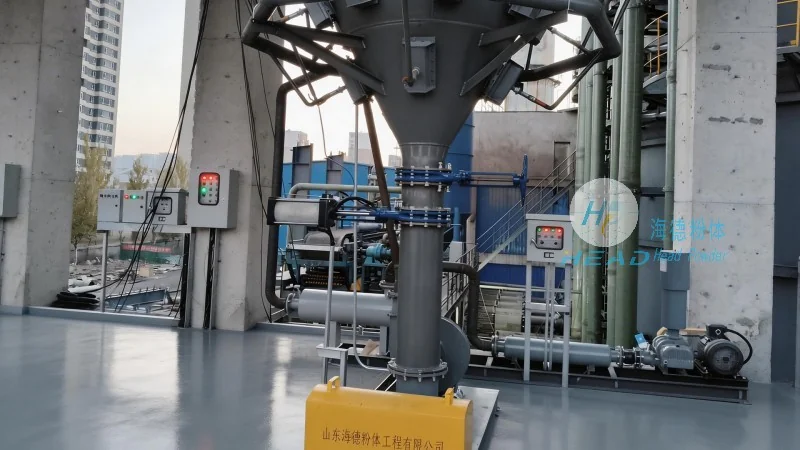
Pneumatic conveying systems utilize air or other gases to transport biomass pellets through a pipeline network. These systems are categorized into two main types: dilute-phase and dense-phase conveying. Dilute-phase systems use high-velocity air to move pellets in a suspended state, while dense-phase systems use lower air velocities to push pellets in a slurry-like state. Pneumatic conveying offers several benefits for biomass pellet transport, including the ability to transport materials over long distances, vertical and horizontal transport capabilities, and the option to handle materials in a closed system, reducing dust emissions and environmental impact. For biomass pellet applications, pneumatic conveyors are commonly used to move pellets from storage to processing areas, or to transport them to different parts of a facility without the need for multiple pieces of equipment. The flexibility of pneumatic systems allows for integration with other processing equipment, such as pellet mills or drying units, creating a seamless material flow. One of the key advantages of pneumatic conveying is its ability to handle materials with varying moisture content and particle sizes, as the air flow can adapt to the material's characteristics. However, the design of the system must consider the pressure requirements and the potential for material buildup in the pipeline, which can affect performance and maintenance. Properly designed pneumatic conveying systems, equipped with appropriate filters and air compressors, ensure efficient and reliable transport of biomass pellets while maintaining material quality. The use of headpowder's advanced pneumatic conveying solutions can enhance the performance of biomass pellet handling operations, providing consistent and low-dust transport.
3. Belt Conveyors for Bulk Biomass Pellet Handling
Belt conveyors are another common method for transporting biomass pellets, especially in applications requiring long-distance or heavy-duty material handling. These systems consist of a continuous belt that moves over rollers or pulleys, carrying the biomass pellets from one location to another. Belt conveyors are highly effective for transporting large volumes of material at a consistent speed, making them suitable for high-throughput biomass pellet processing plants. The design of belt conveyors allows for both horizontal and inclined transport, enabling the movement of pellets over significant distances with minimal energy consumption. The smooth surface of the conveyor belt reduces friction and prevents material degradation, ensuring that the pellets remain intact during transport. For biomass pellet applications, belt conveyors are often used to transfer pellets from storage silos to processing units or to transport them to loading areas for distribution. The ability to handle large quantities of material makes belt conveyors an efficient choice for bulk material transport. Additionally, belt conveyors can be equipped with side guards and safety features to prevent material spillage and ensure operator safety. The durability of belt conveyors, typically made from heavy-duty rubber or synthetic materials, ensures long-term performance in demanding environments. Proper maintenance, including regular inspection of the belt tension and pulley alignment, is essential to maintain the efficiency of belt conveyors and prevent breakdowns. The integration of belt conveyors with other equipment, such as feeders or sorters, can enhance the overall material handling process, improving productivity and reducing operational costs.
4. Hydraulic Conveying Systems for Biomass Pellet Transport
Hydraulic conveying systems use water or other liquids to transport biomass pellets through a pipeline network. These systems are particularly effective for handling materials with high moisture content or those that are difficult to move using other methods. The hydraulic system consists of a pump that forces the liquid through a pipeline, carrying the biomass pellets along with it. The design allows for both horizontal and vertical transport, making it versatile for various applications. Hydraulic conveying offers advantages such as the ability to transport materials over long distances, the capacity to handle large volumes of material, and the option to operate in a closed system, reducing dust emissions and environmental impact. For biomass pellet processing plants, hydraulic conveyors are often used to move pellets from storage to processing areas or to transport them to different parts of the facility. The flexibility of hydraulic systems allows for integration with other processing equipment, such as pellet mills or drying units, creating a seamless material flow. One of the key advantages of hydraulic conveying is its ability to handle materials with varying particle sizes and moisture levels, as the liquid flow can adapt to the material's characteristics. However, the design of the system must consider the pressure requirements and the potential for material buildup in the pipeline, which can affect performance and maintenance. Properly designed hydraulic conveying systems, equipped with appropriate pumps and filters, ensure efficient and reliable transport of biomass pellets while maintaining material quality. The use of headpowder's advanced hydraulic conveying solutions can enhance the performance of biomass pellet handling operations, providing consistent and low-dust transport.
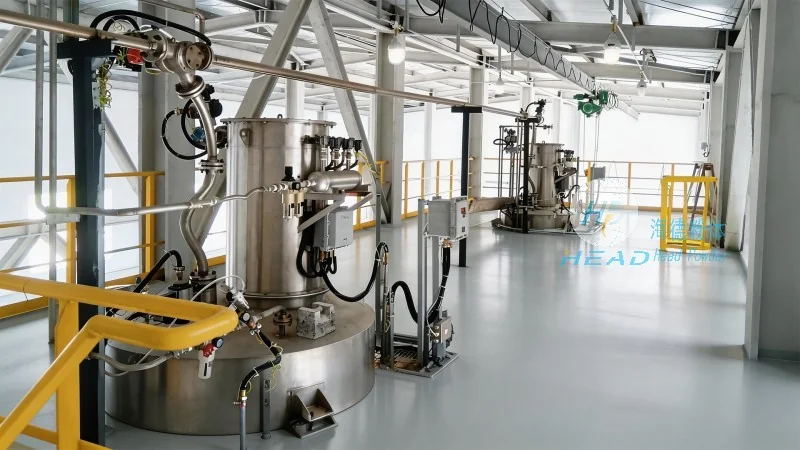
5. Vibrating Conveyors for Biomass Pellet Handling
Vibrating conveyors use vibration to move biomass pellets along a conveyor bed. These systems consist of a conveyor trough that is mounted on vibration motors or springs, causing the material to move forward due to the vibration. Vibrating conveyors are particularly effective for handling materials with low bulk density or those that are prone to bridging, such as biomass pellets. The design allows for both horizontal and inclined transport, making them suitable for various applications. Vibrating conveyors offer advantages like low maintenance requirements, compact design, and the ability to operate in both upward and downward directions. The smooth surface of the conveyor bed reduces friction and prevents material degradation, ensuring that the pellets remain intact during transport. For biomass pellet processing plants, vibrating conveyors are often used to transfer pellets from storage to processing units or to feed them into pellet mills. The continuous operation of vibrating conveyors ensures a steady flow of material, minimizing downtime and enhancing production throughput. Additionally, these conveyors can be equipped with variable speed drives to adjust the conveying rate based on production demands, providing flexibility in operation. The robust construction of vibrating conveyors, typically made from stainless steel or corrosion-resistant materials, ensures durability in environments where biomass pellets may have varying moisture levels or contain abrasive particles. This makes vibrating conveyors a reliable choice for long-term use in biomass pellet handling systems.

 Shandong Headpowder Engineering Co., Ltd.
 156-6277-7102(Quản lý Trương)
  0531-83386006
  Thành phố Tế Nam, Tỉnh Sơn Đông, Trung Quốc
Điện thoại
WeChatTư vấn
Lên đầu