Với hơn 10 năm kinh nghiệm về vận chuyển khí nén, Headpowder Sơn Đông cung cấp hệ thống, thiết bị và quạt gió toàn chuỗi, đảm nhận các dự án kỹ thuật bột trọn gói trên toàn quốc.
Calcined gypsum, also known as plaster of Paris, is a widely used industrial material in construction, manufacturing, and other sectors. The efficient and reliable transportation of calcined gypsum from production sites to processing or storage areas is crucial for maintaining production efficiency and product quality. Various methods are employed for calcined gypsum conveying, each with its own advantages and applications. This article explores the common methods used for calcined gypsum transportation, providing insights into their functionality and suitability for different industrial needs. As a leading provider of industrial conveying solutions, Shandong HeadPowder Engineering Co., Ltd. specializes in designing and implementing systems tailored to the unique requirements of calcined gypsum handling. With decades of experience in the industry, the company has developed expertise in selecting and integrating the most appropriate conveying methods for its clients.
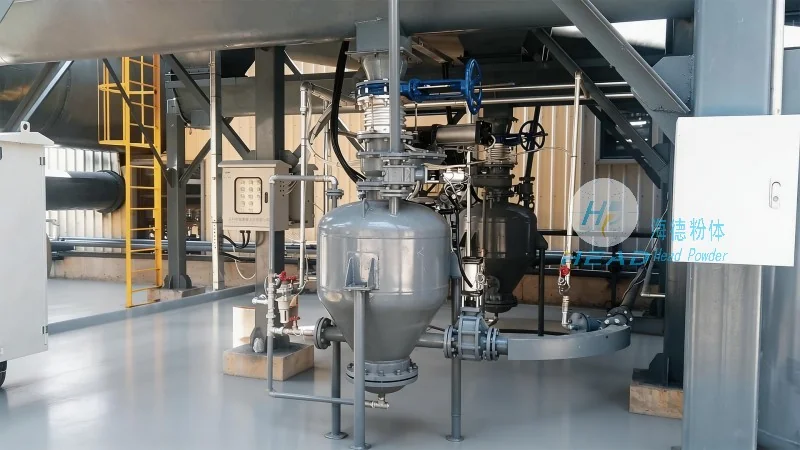
1. Belt Conveyor System
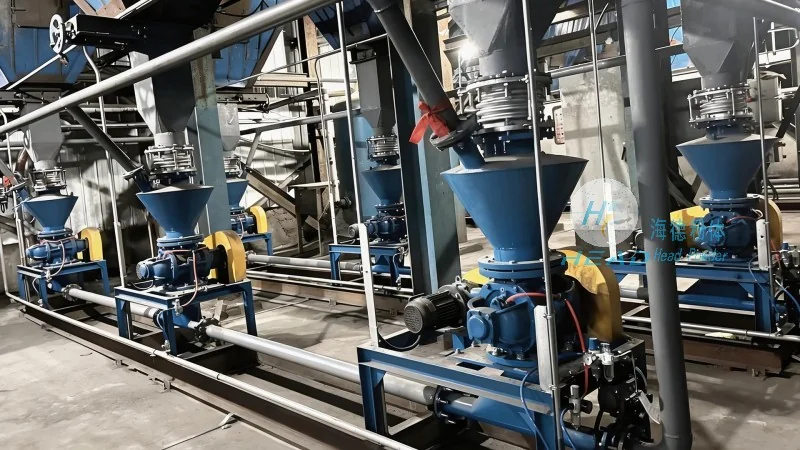
The belt conveyor is one of the most common and versatile methods for calcined gypsum conveying. It consists of a continuous loop of material (usually rubber or PVC) that moves over rollers or pulleys. The calcined gypsum is loaded onto the belt at the inlet, and the belt transports it to the outlet. Belt conveyors are suitable for long-distance and high-volume transportation, with the ability to handle bulk materials like calcined gypsum with minimal dust generation. They are widely used in industrial settings due to their durability, low maintenance requirements, and ability to operate in various environmental conditions. The design of the belt conveyor can be customized to accommodate different slopes and distances, making it adaptable to diverse production layouts. For instance, in a gypsum processing plant, a belt conveyor might transport calcined gypsum from the calcination furnace to a storage silo over a distance of several hundred meters, with a capacity of several tons per hour. The belt material and tensioning system are chosen based on the specific characteristics of the calcined gypsum, such as its moisture content and particle size, to ensure smooth operation and prevent material spillage.
2. Bucket Elevator (Vertical Conveying)
For vertical transportation of calcined gypsum, bucket elevators are frequently employed. This system uses a series of buckets attached to a belt or chain that moves within a vertical or inclined housing. As the buckets ascend, they collect the calcined gypsum and discharge it at the top. Bucket elevators are ideal for moving materials vertically over significant heights, such as from a raw material storage area to a processing plant. They are particularly effective in preventing material spillage and dust contamination, as the enclosed design keeps the gypsum contained within the system. The speed and capacity of the bucket elevator can be adjusted to match the production requirements, ensuring a steady flow of calcined gypsum. This method is especially useful in facilities where vertical space is limited or where the material needs to be elevated to a higher level for processing. In a typical application, a bucket elevator might lift calcined gypsum from a ground-level hopper to a second-floor processing area, with a height of 15 meters and a capacity of 2 tons per hour. The buckets are designed to handle the abrasive nature of calcined gypsum, minimizing wear and extending the equipment's lifespan.
3. Pneumatic Conveying System
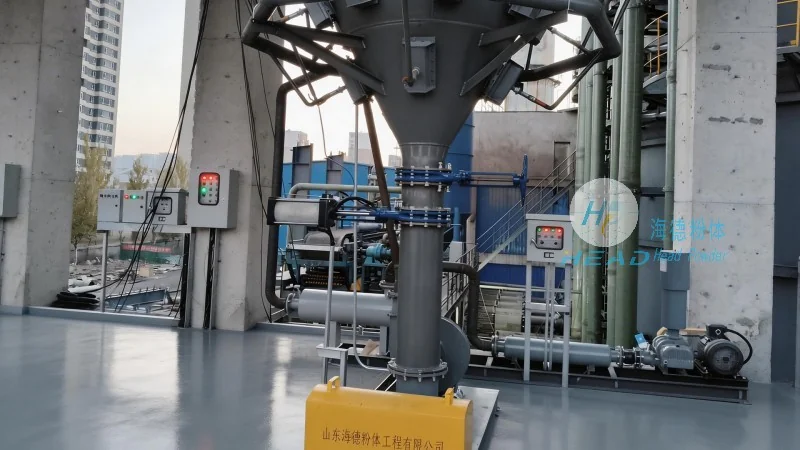
Pneumatic conveying, or air-powered transport, is another common method for calcined gypsum conveying. This system uses air pressure to move the material through a pipeline. The calcined gypsum is fed into a hopper, and a fan or blower creates a pressure differential that propels the material through the pipeline to the destination. Pneumatic conveying is suitable for both short and long distances, and it can handle fine or powdery materials like calcined gypsum without the need for additional equipment. The system can be designed as a positive or negative pressure system, depending on the application. Positive pressure systems push the material through the pipeline, while negative pressure systems draw it in. Pneumatic conveying is often preferred for applications requiring minimal dust and contamination, as the enclosed pipeline prevents exposure to the environment. However, it may require more energy compared to other methods and can be more complex to maintain. In an industrial setting, a pneumatic conveying system might transport calcined gypsum from a storage silo to a mixing machine over a distance of 50 meters, with a capacity of 1 ton per hour. The system uses a positive pressure design, with a fan capable of generating sufficient pressure to move the material through the pipeline without clogging.
4. Screw Conveyor (Auger Conveyor)
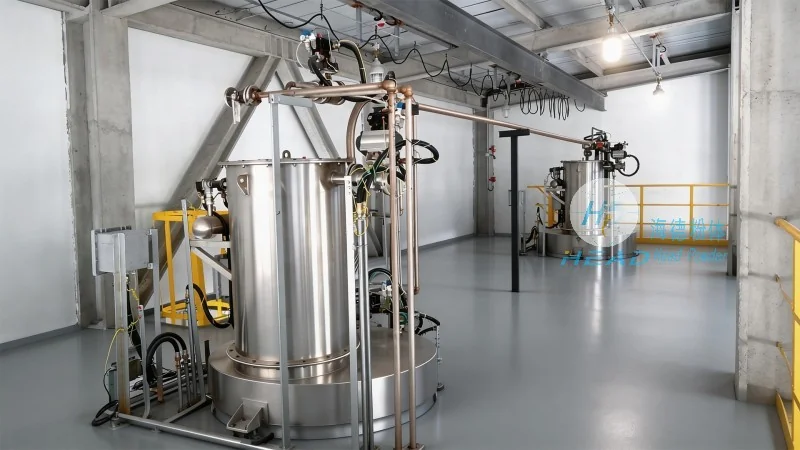
Screw conveyors, also known as auger conveyors, are used for horizontal or slightly inclined transportation of calcined gypsum. This system consists of a rotating screw (auger) inside a cylindrical housing. The calcined gypsum is fed into the inlet, and the rotating screw pushes the material forward to the outlet. Screw conveyors are suitable for moderate distances and volumes, and they are effective in handling materials with varying moisture content. They are commonly used in processing plants where the calcined gypsum needs to be moved from one processing stage to another. The design of the screw conveyor can be adjusted to control the speed and capacity, ensuring consistent material flow. Screw conveyors are relatively simple in construction and maintenance, making them a cost-effective option for many industrial applications. However, they may not be suitable for very long distances or high-volume transportation, as the material can experience friction and potential blockages. For example, in a plaster production line, a screw conveyor might transport calcined gypsum from a storage bin to a mixing tank over a distance of 10 meters, with a capacity of 0.5 tons per hour. The screw pitch and diameter are optimized to prevent material accumulation and ensure smooth movement.

 Shandong Headpowder Engineering Co., Ltd.
 156-6277-7102(Quản lý Trương)
  0531-83386006
  Thành phố Tế Nam, Tỉnh Sơn Đông, Trung Quốc
Điện thoại
WeChatTư vấn
Lên đầu